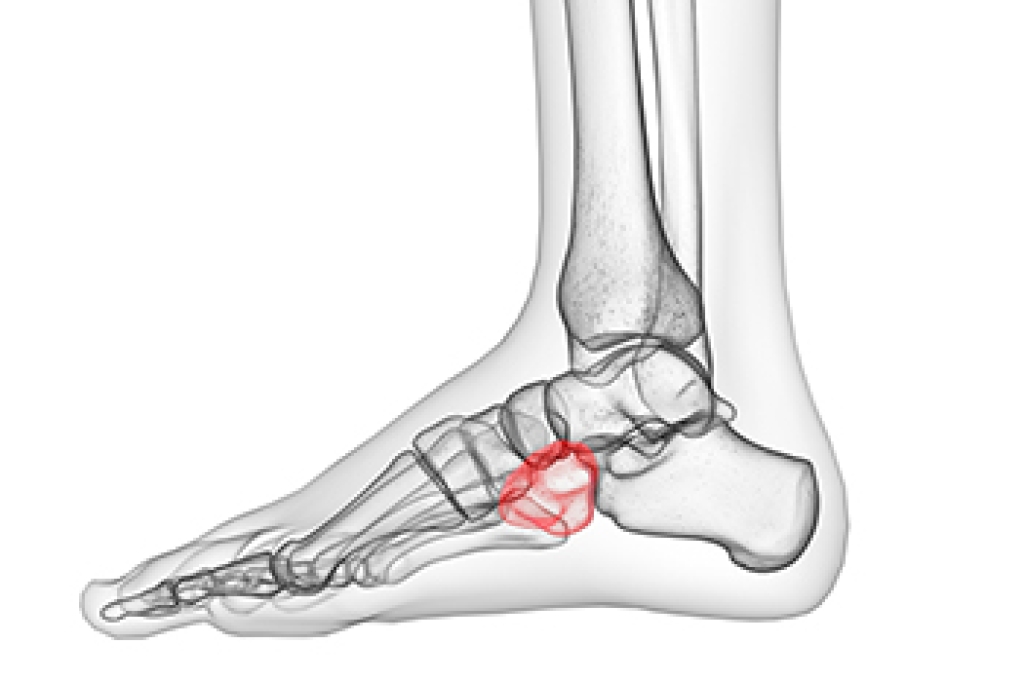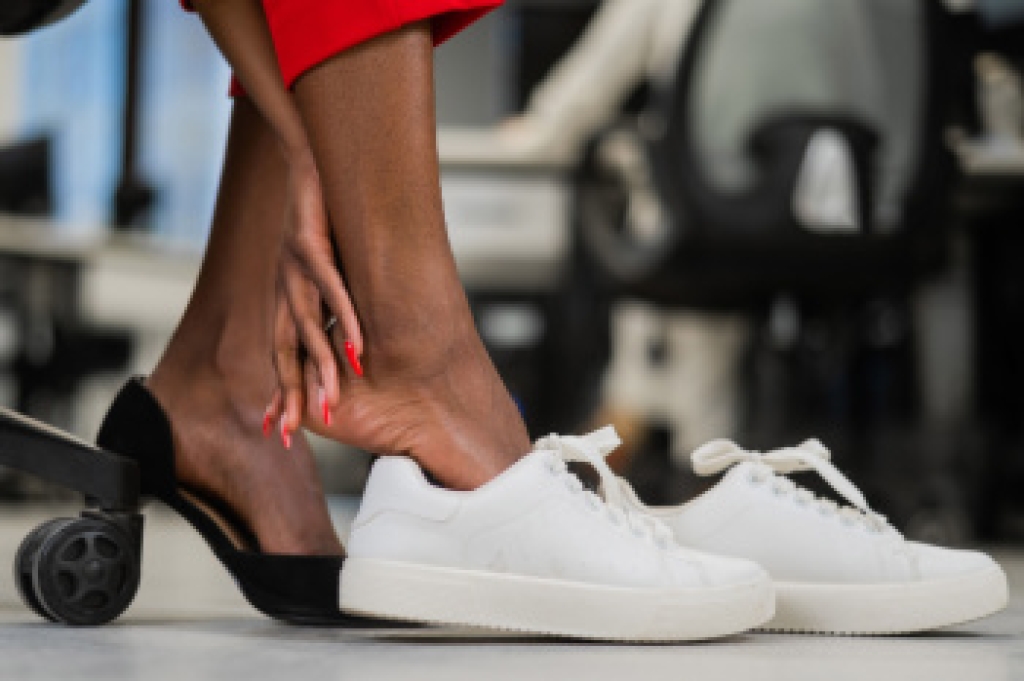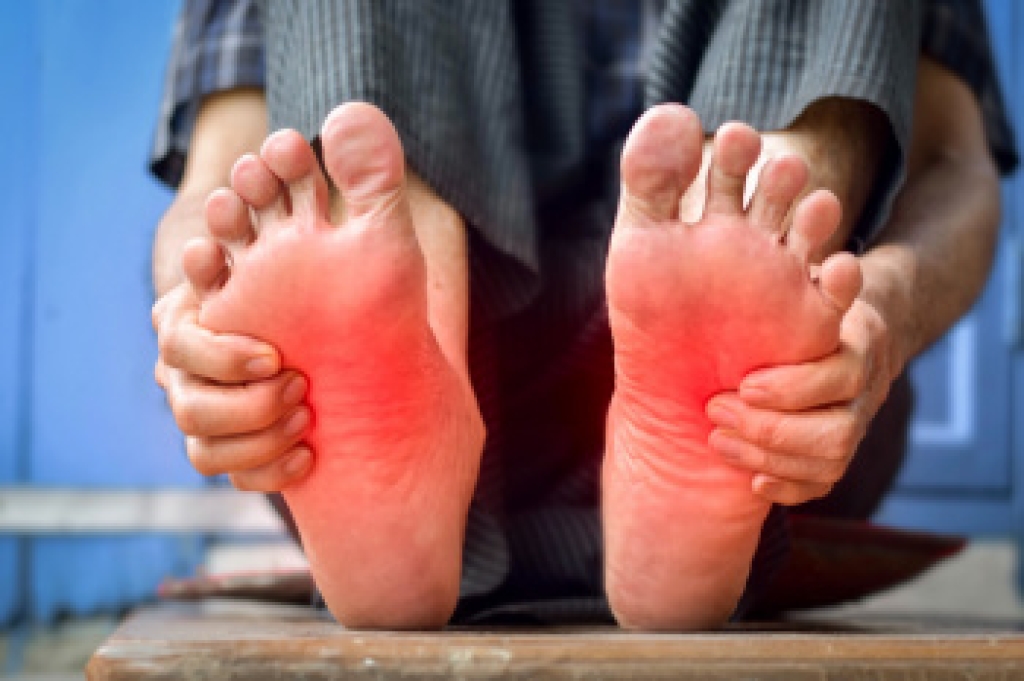
Stress fractures are small cracks in the bone that often develop from repeated impact or overuse. They tend to appear in the feet and lower legs, especially in athletes, runners, or people who suddenly increase their activity level. Wearing shoes that lack adequate support, skipping rest days, or having poor bone health can all raise the risk. These injuries may begin with a dull ache that worsens over time, especially during weight-bearing activities. Preventing stress fractures involves building up activity gradually, choosing footwear with proper support, and including rest in your routine. Nutrition also plays a role. Strong bones need enough calcium, vitamin D, and overall nourishment. If foot or ankle pain continues during movement or returns with activity, it is suggested that you schedule an appointment with a podiatrist for a diagnosis and appropriate treatment.

Activities where too much pressure is put on the feet can cause stress fractures. To learn more, contact one of our podiatrists from Foot & Ankle Associates of Maine. Our doctors can provide the care you need to keep your pain free and on your feet.

Dealing with Stress Fractures of the Foot and Ankle

Stress fractures occur in the foot and ankle when muscles in these areas weaken from too much or too little use.  The feet and ankles then lose support when walking or running from the impact of the ground. Since there is no protection, the bones receive the full impact of each step. Stress on the feet can cause cracks to form in the bones, thus creating stress fractures.

What Are Stress Fractures?

Stress fractures occur frequently in individuals whose daily activities cause great impact on the feet and ankles. Stress factors are most common among:

  • Runners                                
  • People affected with Osteoporosis
  • Tennis or basketball players
  • Gymnasts
  • High impact workouts

Symptoms

Pain from the fractures occur in the area of the fractures and can be constant or intermittent. It will often cause sharp or dull pain with swelling and tenderness. Engaging in any kind of activity which involves high impact will aggravate pain.

If you have any questions please contact our office located in Brunswick, ME . We offer the newest diagnostic and treatment technologies for all your foot and ankle needs.

Read more about Dealing with Stress Fractures of the Foot and Ankle

Golfers are at risk of developing foot and ankle injuries usually due to the repeated motions involved in swinging the club. One foot issue common to golfers is intermetatarsal neuroma, a painful nerve condition in the forefoot caused by pressure during the swing, often affecting the non-dominant foot. Another problem is lateral ankle pain, which results from repeated motion during follow-through. As the body rotates, the back foot often rolls outward, termed supination, while the heel moves slightly inward. These combined forces can strain the ankle ligaments and surrounding tendons. Golfers may also develop subungual hematomas, which are collections of blood beneath the toenail, typically under the big toe of the dominant foot, caused by repeated pressure during the swing. Even driving the golf cart can lead to top-of-foot pain, especially if the brake is used heavily. A podiatrist can diagnose these issues and recommend effective treatment. If you believe you have foot or ankle pain related to playing golf, it is suggested that you schedule an appointment with a podiatrist, who can offer appropriate relief and treatment solutions.

Ankle and foot injuries are common among athletes and in many sports. They can be caused by several problems and may be potentially serious. If you are feeling pain or think you were injured in a sporting event or when exercising, consult with one of our podiatrists from Foot & Ankle Associates of Maine. Our doctors will assess your condition and provide you with quality foot and ankle treatment.

Common Injuries

The most common injuries that occur in sporting activities include:

  • Achilles Tendonitis
  • Achilles Tendon Rupture
  • Ankle Sprains
  • Broken Foot
  • Plantar Fasciitis
  • Stress Fractures
  • Turf Toe

Symptoms

Symptoms vary depending upon the injury and in some cases, there may be no symptoms at all. However, in most cases, some form of symptom is experienced. Pain, aching, burning, bruising, tenderness, tightness or stiffness, sensation loss, difficulty moving, and swelling are the most common symptoms.

Treatment

Just as symptoms vary depending upon the injury, so do treatment options. A common treatment method is known as the RICE method. This method involves rest, applying ice, compression and elevating the afflicted foot or ankle. If the injury appears to be more serious, surgery might be required, such as arthroscopic or reconstructive surgery. Lastly, rehabilitation or therapy might be needed to gain full functionality in the afflicted area. Any discomfort experienced by an athlete must be evaluated by a licensed, reputable medical professional.  

If you have any questions please contact our office located in Brunswick, ME . We offer the newest diagnostic and treatment technologies for all your foot and ankle needs.

Read more about Sports Related Foot And Ankle Injuries
Tuesday, 17 June 2025 00:00

Foot Pain Can Indicate Health Issues

Foot pain may be about more than just the feet. Foot pain can also be an early warning sign of other health problems. Persistent coldness in the feet and toes may point to poor blood circulation, known as peripheral arterial disease, sometimes linked to diabetes or heart conditions. Swelling in the ankles or feet may indicate cardiovascular or kidney disorders. Burning, tingling, or numbness may suggest peripheral neuropathy, often seen in diabetic patients or people with vitamin deficiencies. Sudden pain in the big toe joint may signal gout, while white or spoon-shaped nails can be associated with systemic illnesses such as anemia or liver disease. Conditions like Raynaud's disease, marked by toes turning white and blue in response to cold, may also suggest underlying autoimmune disorders. A podiatrist can evaluate and treat these symptoms as well as help identify any broader medical concerns. If you are experiencing foot pain, it is suggested that you schedule an appointment with a podiatrist for an exam, diagnosis and appropriate treatment.

Foot Pain

Foot pain can be extremely painful and debilitating. If you have a foot pain, consult with one of our podiatrists from Foot & Ankle Associates of Maine. Our doctors will assess your condition and provide you with quality foot and ankle treatment.

Causes

Foot pain is a very broad condition that could be caused by one or more ailments. The most common include:

  • Bunions
  • Hammertoes
  • Plantar Fasciitis
  • Bone Spurs
  • Corns
  • Tarsal Tunnel Syndrome
  • Ingrown Toenails
  • Arthritis (such as Gout, Rheumatoid, and Osteoarthritis)
  • Flat Feet
  • Injury (from stress fractures, broken toe, foot, ankle, Achilles tendon ruptures, and sprains)
  • And more

Diagnosis

To figure out the cause of foot pain, podiatrists utilize several different methods. This can range from simple visual inspections and sensation tests to X-rays and MRI scans. Prior medical history, family medical history, and any recent physical traumatic events will all be taken into consideration for a proper diagnosis.

Treatment

Treatment depends upon the cause of the foot pain. Whether it is resting, staying off the foot, or having surgery; podiatrists have a number of treatment options available for foot pain.

If you have any questions, please feel free to contact our office located in Brunswick, ME . We offer the newest diagnostic and treatment technologies for all your foot care needs.

Read more about Foot Pain
Tuesday, 10 June 2025 00:00

Preventing Falls at Home for Children

Preventing falls at home is essential for keeping children safe as they explore their surroundings. Using stationary walkers and playpens can provide secure play areas, while installing safety gates helps block access to stairs and other risky spots. It is important to keep stairs clear of clutter and avoid placing toys or tempting items on top of furniture where children might climb. Despite precautions, falls can still occur and may lead to foot injuries, such as sprains, fractures, or bruises. A podiatrist can assess the extent of these injuries, provide proper treatment, and guide recovery with supportive footwear. If your child has balance issues or sustained a foot or ankle injury from falling, it is suggested that you confer with a podiatrist who can treat various injuries, and guide you effective fall prevention techniques. 

Preventing falls among the elderly is very important. If you are older and have fallen or fear that you are prone to falling, consult with one of our podiatrists from Foot & Ankle Associates of Maine. Our doctors will assess your condition and provide you with quality advice and care.

Every 11 seconds, an elderly American is being treated in an emergency room for a fall related injury. Falls are the leading cause of head and hip injuries for those 65 and older. Due to decreases in strength, balance, senses, and lack of awareness, elderly persons are very susceptible to falling. Thankfully, there are a number of things older persons can do to prevent falls.

How to Prevent Falls

Some effective methods that older persons can do to prevent falls include:

  • Enrolling in strength and balance exercise program to increase balance and strength
  • Periodically having your sight and hearing checked
  • Discuss any medications you have with a doctor to see if it increases the risk of falling
  • Clearing the house of falling hazards and installing devices like grab bars and railings
  • Utilizing a walker or cane
  • Wearing shoes that provide good support and cushioning
  • Talking to family members about falling and increasing awareness

Falling can be a traumatic and embarrassing experience for elderly persons; this can make them less willing to leave the house, and less willing to talk to someone about their fears of falling. Doing such things, however, will increase the likelihood of tripping or losing one’s balance. Knowing the causes of falling and how to prevent them is the best way to mitigate the risk of serious injury.  

If you have any questions, please feel free to contact our office located in Brunswick, ME . We offer the newest diagnostic and treatment technologies for all your foot care needs.

Read more about Falls Prevention
Page 10 of 129

Connect With Us