Preventing Falls at Home for Children

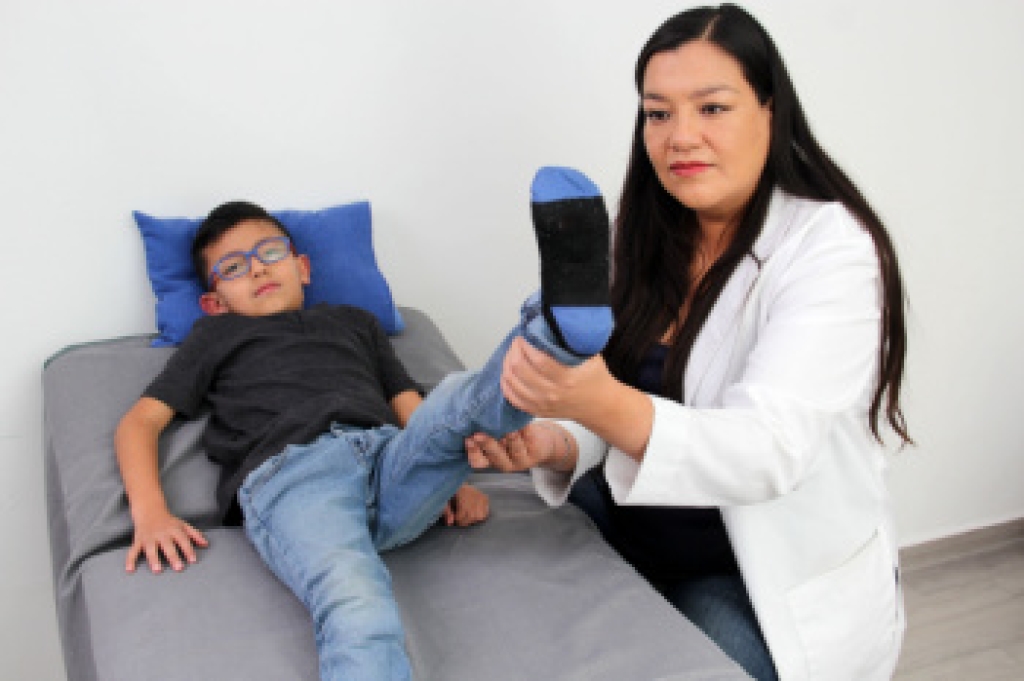
Preventing falls at home is essential for keeping children safe as they explore their surroundings. Using stationary walkers and playpens can provide secure play areas, while installing safety gates helps block access to stairs and other risky spots. It is important to keep stairs clear of clutter and avoid placing toys or tempting items on top of furniture where children might climb. Despite precautions, falls can still occur and may lead to foot injuries, such as sprains, fractures, or bruises. A podiatrist can assess the extent of these injuries, provide proper treatment, and guide recovery with supportive footwear. If your child has balance issues or sustained a foot or ankle injury from falling, it is suggested that you confer with a podiatrist who can treat various injuries, and guide you effective fall prevention techniques. 

Preventing falls among the elderly is very important. If you are older and have fallen or fear that you are prone to falling, consult with one of our podiatrists from Foot & Ankle Associates of Maine. Our doctors will assess your condition and provide you with quality advice and care.

Every 11 seconds, an elderly American is being treated in an emergency room for a fall related injury. Falls are the leading cause of head and hip injuries for those 65 and older. Due to decreases in strength, balance, senses, and lack of awareness, elderly persons are very susceptible to falling. Thankfully, there are a number of things older persons can do to prevent falls.

How to Prevent Falls

Some effective methods that older persons can do to prevent falls include:

  • Enrolling in strength and balance exercise program to increase balance and strength
  • Periodically having your sight and hearing checked
  • Discuss any medications you have with a doctor to see if it increases the risk of falling
  • Clearing the house of falling hazards and installing devices like grab bars and railings
  • Utilizing a walker or cane
  • Wearing shoes that provide good support and cushioning
  • Talking to family members about falling and increasing awareness

Falling can be a traumatic and embarrassing experience for elderly persons; this can make them less willing to leave the house, and less willing to talk to someone about their fears of falling. Doing such things, however, will increase the likelihood of tripping or losing one’s balance. Knowing the causes of falling and how to prevent them is the best way to mitigate the risk of serious injury.  

If you have any questions, please feel free to contact our office located in Brunswick, ME . We offer the newest diagnostic and treatment technologies for all your foot care needs.


Read more about Falls Prevention

Let the Expert Treat Your Ingrown Toenails

Ingrown toenails can be painful and can make wearing shoes or walking uncomfortable. Seek professional help if you believe you've developed an ingrown toenail and be treated safely. 

Daily Foot Care and Podiatry Support

Caring for your feet is essential to maintaining overall health and comfort. Washing your feet daily with warm water and drying them thoroughly, especially between the toes, helps prevent infections. Alternating shoes gives them time to air out and reduces moisture buildup. Avoiding flip flops for long periods helps prevent strain, while choosing supportive shoes protects the arches and joints. Checking your feet each day for cuts, blisters, or other changes is important, especially for anyone with diabetes or circulation issues. A podiatrist can provide expert advice on proper foot care, recommend the best footwear for your needs, and treat any issues early. If you have foot pain, it is suggested that you consult a podiatrist who can treat various foot conditions, and guide you on important foot care tips.

Everyday foot care is very important to prevent infection and other foot ailments. If you need your feet checked, contact one of our podiatrists from Foot & Ankle Associates of Maine. Our doctors can provide the care you need to keep you pain-free and on your feet.

Everyday Foot Care

Often, people take care of their bodies, face and hair more so than they do for their feet. But the feet are a very important aspect of our bodies, and one that we should pay more attention to. Without our feet, we would not be able to perform most daily tasks.

It is best to check your feet regularly to make sure there are no new bruises or cuts that you may not have noticed before. For dry feet, moisturizer can easily be a remedy and can be applied as often as necessary to the affected areas. Wearing shoes that fit well can also help you maintain good foot health, as well as making it easier to walk and do daily activities without the stress or pain of ill-fitting shoes, high heels, or even flip flops. Wearing clean socks with closed shoes is important to ensure that sweat and bacteria do not accumulate within the shoe. Clean socks help to prevent Athlete’s foot, fungi problems, bad odors, and can absorb sweat.

If you have any questions, please feel free to contact our office located in Brunswick, ME . We offer the newest diagnostic and treatment technologies for all your foot care needs.
Read more about Everyday Foot Care

Symptoms a Fractured Ankle

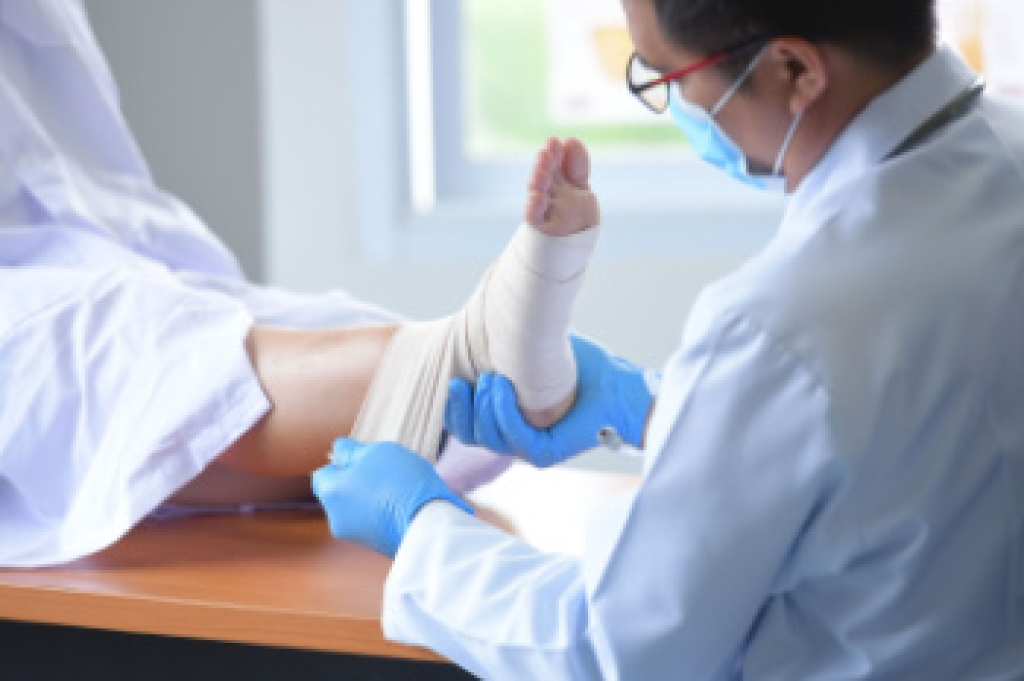
A broken ankle can occur when one or more of the bones in the ankle joint, which include the tibia, fibula, or talus, cracks or breaks due to a fall, collision, or twisting injury. Symptoms of a broken ankle include sudden and intense pain, swelling, bruising, and difficulty in moving the ankle. In many cases, walking becomes impossible, although some people may still bear weight, despite a fracture. A loud snapping sound may be heard at the time of injury. In more severe cases, the ankle may appear misshapen or the broken bone may pierce the skin. A podiatrist can examine the ankle for signs of damage and order imaging tests, such as X-rays, to confirm a fracture. Treatment depends on the location and severity of the break and may involve immobilization with a cast or surgery to realign the bones. Early diagnosis and treatment are important to reduce long-term complications. If you believe you may have fractured an ankle bone, it is suggested that you make an emergency appointment with a podiatrist for an exam and appropriate treatment.

Broken ankles need immediate treatment. If you are seeking treatment, contact one of our podiatrists from Foot & Ankle Associates of Maine. Our doctors can provide the care you need to keep you pain-free and on your feet. 

Broken Ankles
A broken ankle is experienced when a person fractures their tibia or fibula in the lower leg and ankle area. Both of these bones are attached at the bottom of the leg and combine to form what we know to be our ankle.

When a physician is referring to a break of the ankle, he or she is usually referring to a break in the area where the tibia and fibula are joined to create our ankle joint. Ankles are more prone to fractures because the ankle is an area that suffers a lot of pressure and stress. There are some obvious signs when a person experiences a fractured ankle, and the following symptoms may be present.

Symptoms of a Fractured Ankle

  • Excessive pain when the area is touched or when any pressure is placed on the ankle
  • Swelling around the area
  • Bruising of the area
  • Area appears to be deformed

If you suspect an ankle fracture, it is recommended to seek treatment as soon as possible. The sooner you have your podiatrist diagnose the fracture, the quicker you’ll be on the way towards recovery.

If you have any questions, please feel free to contact our office located in Brunswick, ME . We offer the newest diagnostic and treatment technologies for all your foot care needs.

Read more about All About Broken Ankle

What Is a Curled Toenail?

Curled toenails, also known as involuted or pincer nails, occur when the sides of the nail begin to curve inward, sometimes digging into the surrounding skin. This condition can be caused by genetics, wearing improper footwear that puts pressure on the toes, or fungal infections that can gradually distort nail shape. Other causes may include trauma or long-term neglect of proper nail care. Symptoms can range from mild discomfort to sharp pain, especially when walking or wearing tight shoes. The skin around the nail may become red, tender, or swollen, and, in some cases, an infection may develop. A podiatrist can assess the severity and underlying cause of the curled toenail. Treatment options include trimming and reshaping the nail, treating fungal infections, recommending proper footwear, or using special devices to gradually correct the nail’s shape. In more severe cases, partial nail removal or minor procedures may be necessary. If you are experiencing this condition, it is suggested that you schedule an appointment with a podiatrist for appropriate treatment.

Ingrown toenails may initially present themselves as a minor discomfort, but they may progress into an infection in the skin without proper treatment. For more information about ingrown toenails, contact one of our podiatrists of Foot & Ankle Associates of Maine. Our doctors can provide the care you need to keep you pain-free and on your feet.

Ingrown Toenails

Ingrown toenails are caused when the corner or side of a toenail grows into the soft flesh surrounding it. They often result in redness, swelling, pain, and in some cases, infection. This condition typically affects the big toe and may recur if it is not treated properly.

Causes

  • Improper toenail trimming
  • Genetics
  • Improper shoe fitting
  • Injury from pedicures or nail picking
  • Abnormal gait
  • Poor hygiene

You are more likely to develop an ingrown toenail if you are obese, have diabetes, arthritis, or have any fungal infection in your nails. Additionally, people who have foot or toe deformities are at a higher risk of developing an ingrown toenail.

Symptoms

Some symptoms of ingrown toenails are redness, swelling, and pain. In rare cases, there may be a yellowish drainage coming from the nail.

Treatment

Ignoring an ingrown toenail can have serious complications. Infections of the nail border can progress to a deeper soft-tissue infection, which can then turn into a bone infection. You should always speak with your podiatrist if you suspect you have an ingrown toenail, especially if you have diabetes or poor circulation.

If you have any questions, please feel free to contact our office located in Brunswick, ME . We offer the newest diagnostic and treatment technologies for all your foot care needs.

Read more about Ingrown Toenails

Connect With Us