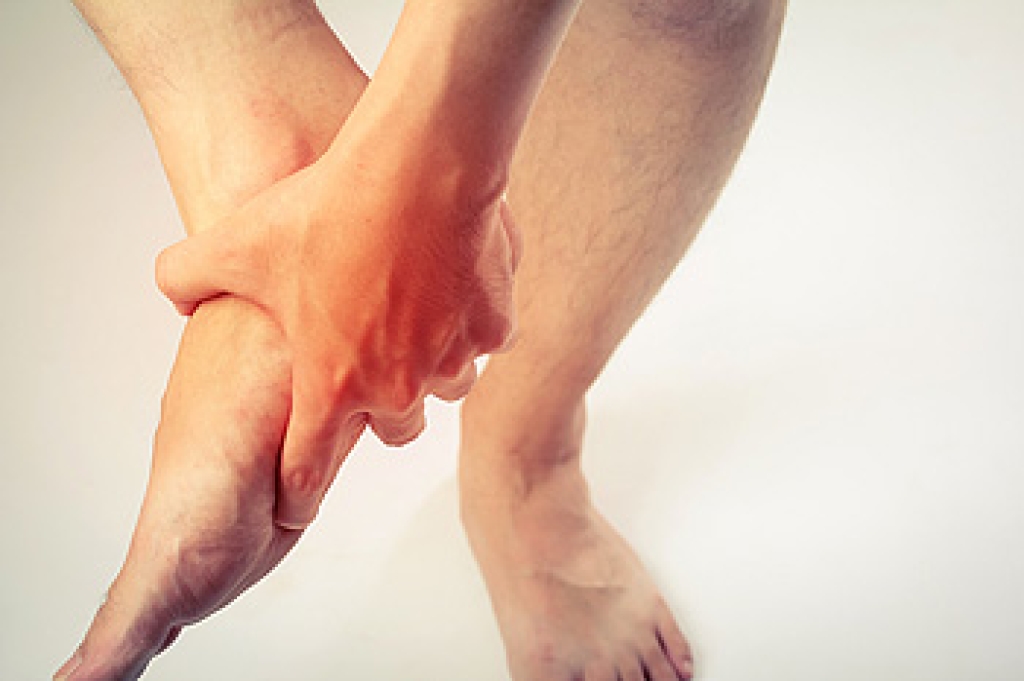
What Is a Plantar Fibroma?

A plantar fibroma is a noncancerous or benign growth in the arch of the foot that slowly grows over time. It develops on the plantar fascia, the ligament that runs along the bottom of the foot and connects the heel to the toes. A fibroma appears as a small bump typically less than an inch in size, and can occur in one or both feet. Often, a plantar fibroma does not cause symptoms. However, a fibroma can cause pain and discomfort if it grows in size, and it may be especially painful if pressure is applied to the area. Some experts say genetics play a factor, but it is not clear what exactly causes plantar fibroma or why, there’s no known way to prevent its occurrence. If you suspect that you have a plantar fibroma, it is suggested that you seek the care of a podiatrist.

Foot Pain

Foot pain can be extremely painful and debilitating. If you have a foot pain, consult with one of our podiatrists from Foot & Ankle Associates of Maine. Our doctors will assess your condition and provide you with quality foot and ankle treatment.

Causes

Foot pain is a very broad condition that could be caused by one or more ailments. The most common include:

  • Bunions
  • Hammertoes
  • Plantar Fasciitis
  • Bone Spurs
  • Corns
  • Tarsal Tunnel Syndrome
  • Ingrown Toenails
  • Arthritis (such as Gout, Rheumatoid, and Osteoarthritis)
  • Flat Feet
  • Injury (from stress fractures, broken toe, foot, ankle, Achilles tendon ruptures, and sprains)
  • And more

Diagnosis

To figure out the cause of foot pain, podiatrists utilize several different methods. This can range from simple visual inspections and sensation tests to X-rays and MRI scans. Prior medical history, family medical history, and any recent physical traumatic events will all be taken into consideration for a proper diagnosis.

Treatment

Treatment depends upon the cause of the foot pain. Whether it is resting, staying off the foot, or having surgery; podiatrists have a number of treatment options available for foot pain.

If you have any questions, please feel free to contact our office located in Brunswick, ME . We offer the newest diagnostic and treatment technologies for all your foot care needs.

Read more about Foot Pain

What Flip Flops Can Do to Your Feet

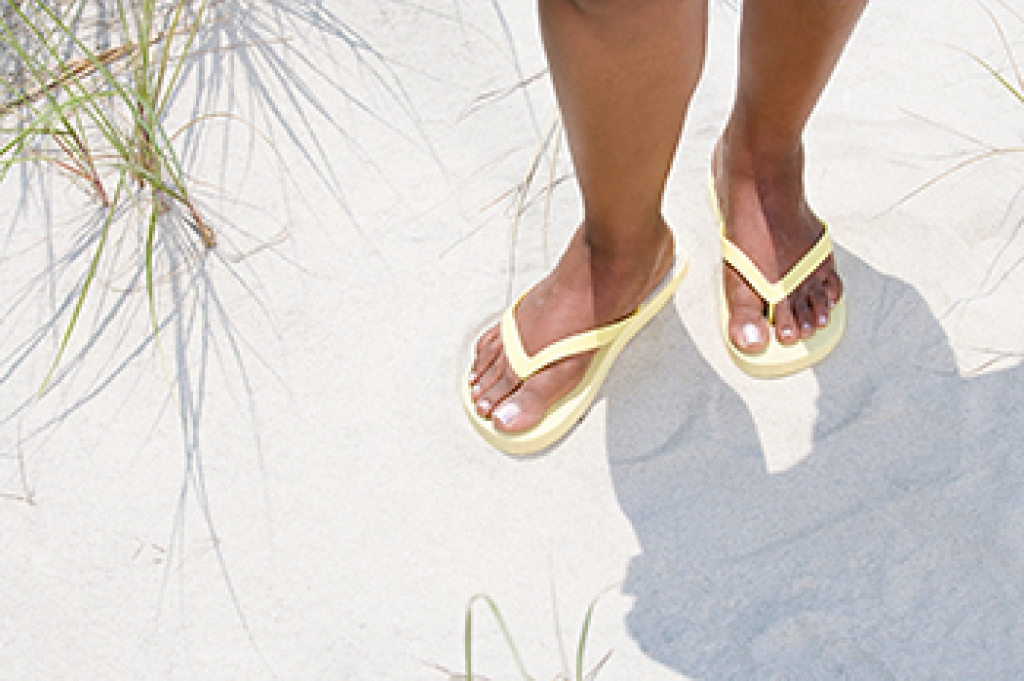
Flip flops are a popular shoe style, and many people enjoy wearing them in the warm summer months. They are constructed with flat, foam soles, and have a plastic or rubber strap that lies between the big toe and second toe. Despite the simplicity of wearing them, they could possibly cause damage to your feet. Bunions can form as a result of pulled and overstretched ligaments, and may cause severe pain and discomfort. Additionally, the majority of flip flops have little or no arch support, and this may cause conditions such as plantar fasciitis and heel spurs to arise. The possible damage that can happen to your feet from frequently wearing flip flops may outweigh the temporary ease that comes from wearing these types of shoes. If you would like more information about how flip flops can affect your feet, please consult with a podiatrist.

Flip-flops can cause a lot of problems for your feet. If you have any concerns about your feet or ankles, contact one of our podiatrists from Foot & Ankle Associates of Maine. Our doctors will assist you with all of your foot and ankle needs.

Flip-Flops and Feet

Flip-flops have managed to become a summer essential for a lot of people. While the shoes may be stylish and easy to slip on and off, they can be dangerous to those who wear them too often. These shoes might protect you from fungal infections such as athlete’s foot, but they can also give you foot pain and sprained ankles if you trip while wearing them.

When Are They Okay to Wear?

Flip-flops should only be worn for very short periods of time. They can help protect your feet in places that are crawling with fungi, such as gym locker rooms. Athlete’s foot and plantar warts are two common fungi that flip-flops may help protect your feet against.

Why Are They Bad for My Feet?

These shoes do not offer any arch support, so they are not ideal for everyday use. They also do not provide shock absorption or heel cushioning which can be problematic for your feet. Additionally, you may suffer from glass cuts, puncture wounds, and stubbed toes since they offer little protection for your feet.

More Reasons Why They Are Bad for Your Feet

  • They Slow You Down
  • May Cause Blisters and Calluses
  • Expose Your Feet to Bacteria

If you have any questions, please feel free to contact our office located in Brunswick, ME . We offer the newest diagnostic and treatment technologies for all your foot care needs.
Read more about Flip Flops and Your Feet

Are Bunions Affecting Your Everyday Life?

Have you noticed a bony protrusion on the side of your big toe? If so, you may have developed the foot condition known as a bunion. Don't let bunions interfere with your daily activities.

Athletes and Flat Feet

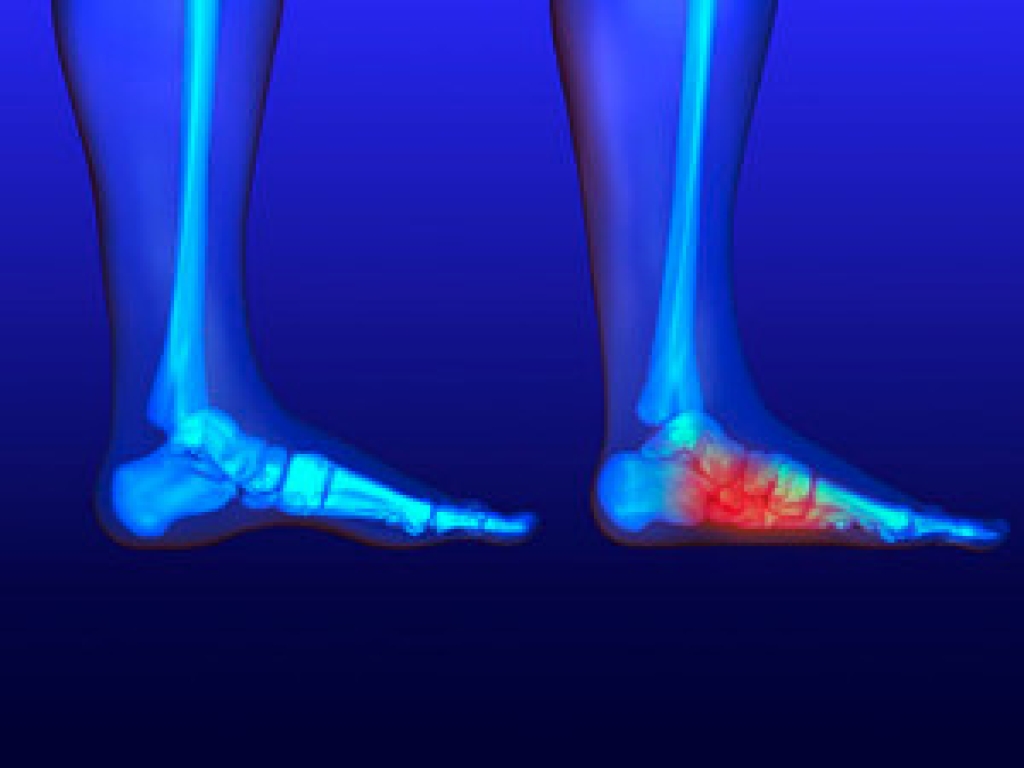
The medical condition that is known as flat feet is noticeable while standing on the floor, and is generally caused by genetic factors. Some people can live with flat feet and have no issues or pain arise, but many athletes affected by this ailment can result in serious injury if not prepared for. The arch acts similar to shock absorbers, and can help in pushing off when walking and running. Patients who are afflicted with flat feet may feel pain and discomfort while participating in sporting activities, which may be caused by loose tendons. Additionally, these patients may have difficulty standing for extended periods of time, and may experience pain in other areas of the body, including the feet, knees, hips, and lower back. If you have flat feet, please consult with a podiatrist who can determine the right treatment for you.

Flatfoot is a condition many people suffer from. If you have flat feet, contact one of our podiatrists from Foot & Ankle Associates of Maine. Our doctors will treat your foot and ankle needs.

What Are Flat Feet?

Flatfoot is a condition in which the arch of the foot is depressed and the sole of the foot is almost completely in contact with the ground. About 20-30% of the population generally has flat feet because their arches never formed during growth.

Conditions & Problems:

Having flat feet makes it difficult to run or walk because of the stress placed on the ankles.

Alignment – The general alignment of your legs can be disrupted, because the ankles move inward which can cause major discomfort.

Knees – If you have complications with your knees, flat feet can be a contributor to arthritis in that area.  

Symptoms

  • Pain around the heel or arch area
  • Trouble standing on the tip toe
  • Swelling around the inside of the ankle
  • Flat look to one or both feet
  • Having your shoes feel uneven when worn

Treatment

If you are experiencing pain and stress on the foot you may weaken the posterior tibial tendon, which runs around the inside of the ankle. 

If you have any questions, please feel free to contact our office located in Brunswick, ME . We offer the newest diagnostic and treatment technologies for all your foot care needs.
Read more about Flatfoot

What Can Cause an Achilles Tendon Injury?

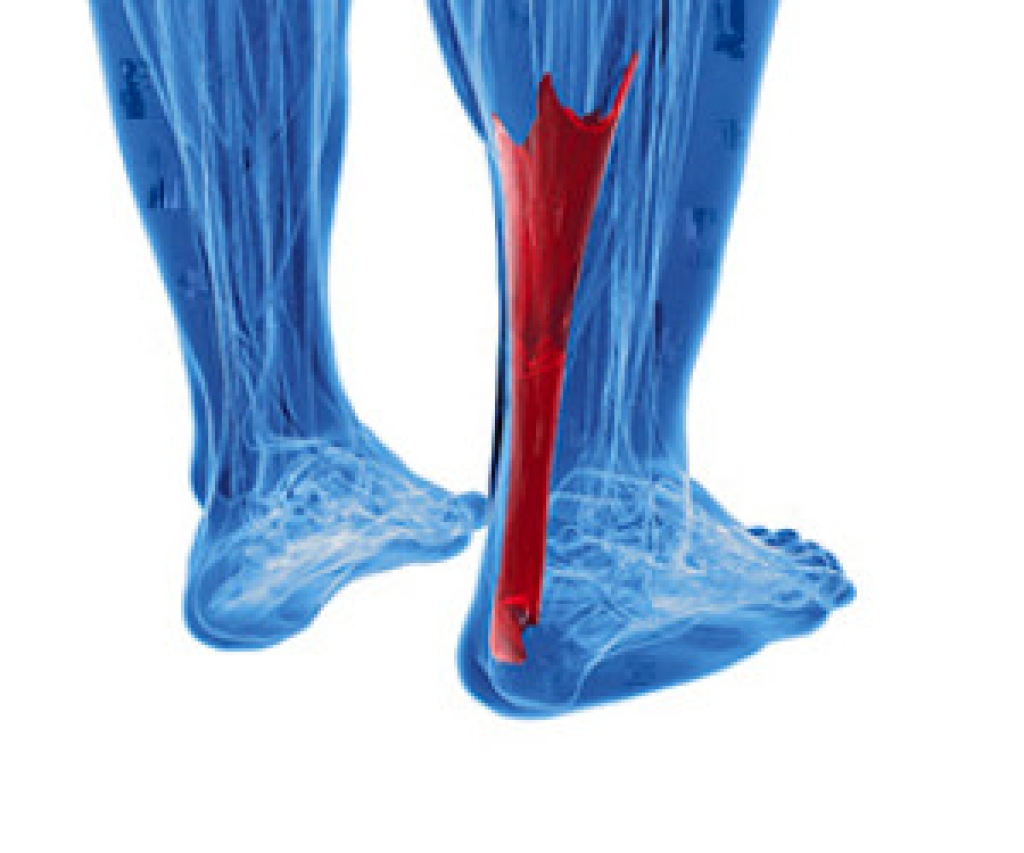
Patients who have experienced an Achilles tendon injury are often aware of the severe pain and discomfort this can cause. It can occur from repetitive irritation, or from a sudden injury. Additionally, wearing shoes that do not fit correctly, or having an abnormal foot structure may contribute to the onset of this type of injury. The symptoms that are often associated with this condition can consist of extreme tenderness in the heel, calf, and ankle, and it can be difficult to walk. It is beneficial to consult with a podiatrist if you have endured an Achilles tendon injury. A podiatrist can guide you toward the right treatments for you.

Achilles tendon injuries need immediate attention to avoid future complications. If you have any concerns, contact one of our podiatrists of Foot & Ankle Associates of Maine. Our doctors can provide the care you need to keep you pain-free and on your feet.

What Is the Achilles Tendon?

The Achilles tendon is a tendon that connects the lower leg muscles and calf to the heel of the foot. It is the strongest tendon in the human body and is essential for making movement possible. Because this tendon is such an integral part of the body, any injuries to it can create immense difficulties and should immediately be presented to a doctor.

What Are the Symptoms of an Achilles Tendon Injury?

There are various types of injuries that can affect the Achilles tendon. The two most common injuries are Achilles tendinitis and ruptures of the tendon.

Achilles Tendinitis Symptoms

  • Inflammation
  • Dull to severe pain
  • Increased blood flow to the tendon
  • Thickening of the tendon

Rupture Symptoms

  • Extreme pain and swelling in the foot
  • Total immobility

Treatment and Prevention

Achilles tendon injuries are diagnosed by a thorough physical evaluation, which can include an MRI. Treatment involves rest, physical therapy, and in some cases, surgery. However, various preventative measures can be taken to avoid these injuries, such as:

  • Thorough stretching of the tendon before and after exercise
  • Strengthening exercises like calf raises, squats, leg curls, leg extensions, leg raises, lunges, and leg presses

If you have any questions please feel free to contact our office located in Brunswick, ME . We offer the newest diagnostic tools and technology to treat your foot and ankle needs.

Read more about Achilles Tendon Injuries

Connect With Us