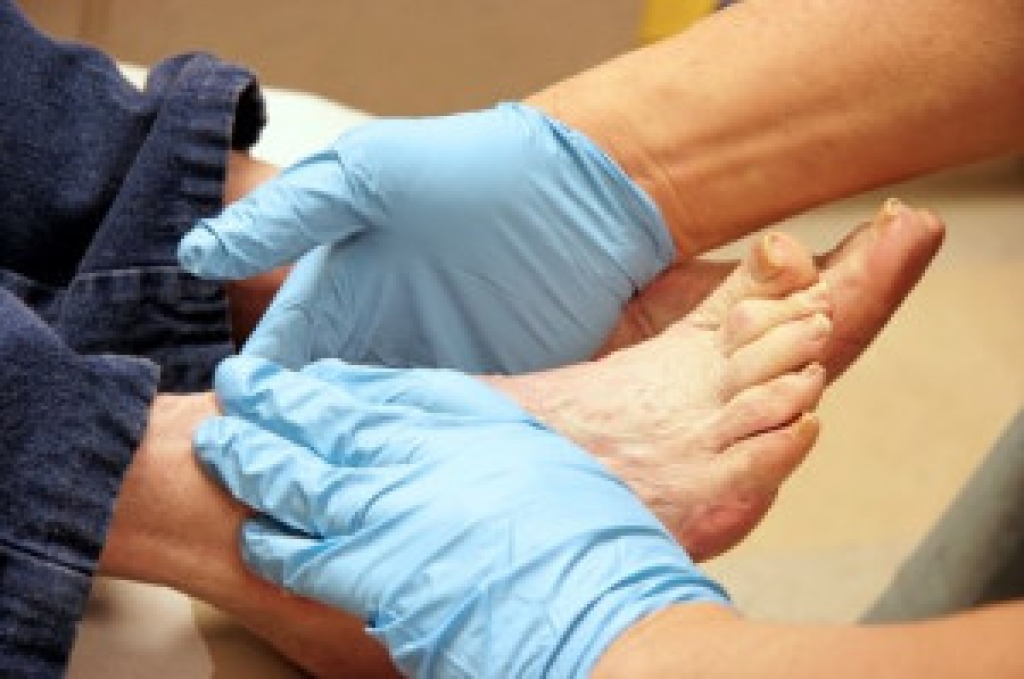
How Diabetic Patients Should Care for Their Feet

According to the CDC, about half of all diabetic patients have some form of neuropathy (nerve damage) which can ultimately lead to a loss of feeling in the feet. Due to the lack of feeling, small wounds on the feet may not be detected and can lead to diabetic foot ulcers. In severe cases, these ulcers could lead to serious complications such as amputation. While it is important for diabetic patients to be under the care of a podiatrist, there are measures that can be implemented within the home to reduce the risk of smaller problems becoming serious. Patients should perform daily checks of their feet to inspect for cuts and wounds, as well as wash and dry their feet daily, avoid being barefoot, wear socks and shoes that fit properly, and trim their toenails straight across and not too short. Diabetic patients should visit a podiatrist if they experience any of the following in their feet; a tingling sensation, a change in shape, dry or cracked skin, a loss of feeling, a change in color or temperature, and any cuts or wounds that aren’t healing. For more information please seek the counsel of a podiatrist. 

Diabetic foot care is important in preventing foot ailments such as ulcers. If you are suffering from diabetes or have any other concerns about your feet, contact one of our podiatrists from Foot & Ankle Associates of Maine. Our doctors can provide the care you need to keep you pain-free and on your feet.

Diabetic Foot Care

Diabetes affects millions of people every year. The condition can damage blood vessels in many parts of the body, especially the feet. Because of this, taking care of your feet is essential if you have diabetes, and having a podiatrist help monitor your foot health is highly recommended.

The Importance of Caring for Your Feet

  • Routinely inspect your feet for bruises or sores.
  • Wear socks that fit your feet comfortably.
  • Wear comfortable shoes that provide adequate support.

Patients with diabetes should have their doctor monitor their blood levels, as blood sugar levels play such a huge role in diabetic care. Monitoring these levels on a regular basis is highly advised.

It is always best to inform your healthcare professional of any concerns you may have regarding your feet, especially for diabetic patients. Early treatment and routine foot examinations are keys to maintaining proper health, especially because severe complications can arise if proper treatment is not applied.

If you have any questions, please feel free to contact our office located in Brunswick, ME . We offer the newest diagnostic and treatment technologies for all your foot care needs.


Read more about Diabetic Foot Care

Plantar Warts Can Be Treated!

Plantar warts are small growths that develop on parts of the feet that bear weight. They're typically found on the bottom of the foot. Don't live with plantar warts, and call us today!

Cracked Heels During Pregnancy

Many pregnant women notice cracked heels have developed over the course of their pregnancy. This can happen for a variety of reasons, including because of the added weight the heels must endure, hormonal changes, and changes in gait. Patients have found relief when the feet are soaked in warm water, followed by applying a good moisturizer on the entire foot. Having a pedicure performed is an effective method to alleviate cracked heels, which can include using a pumice stone to soften the dry skin. It is important to take proper care of your feet while pregnant, and if you would like additional information on how to achieve this, please consult with a podiatrist who can address any concerns you may have.

If the skin on your feet starts to crack, you may want to see a podiatrist to find treatment. If you have any concerns, contact one of our podiatrists from Foot & Ankle Associates of Maine. Our doctors can provide the care you need to keep you pain-free and on your feet.

Cracked Heels

It is important to moisturize your cracked heels in order to prevent pain, bleeding, and infection. The reason cracked heels form is because the skin on the foot is too dry to support the immense pressure placed on them. When the foot expands, the dry skin on the foot begins to split.

Ways to Help Heal Them

  • Invest in a good foot cream
  • Try Using Petroleum Jelly
  • Ease up on Soaps
  • Drink Plenty of Water

Ways to Prevent Cracked Heels

  • Moisturize After Showering
  • Skip a Shower
  • Keep Shower Water Lukewarm
  • Don’t Scrub Your Feet

If you are unsure how to proceed in treating cracked heels, seek guidance from a podiatrist. Your doctor will help you with any questions or information you may need. 

If you have any questions, please feel free to contact our office located in Brunswick, ME . We offer the newest diagnostic and treatment technologies for all your foot care needs.
Read more about Solutions for Cracked Heels

Reasons Why Toenail Fungus May Develop

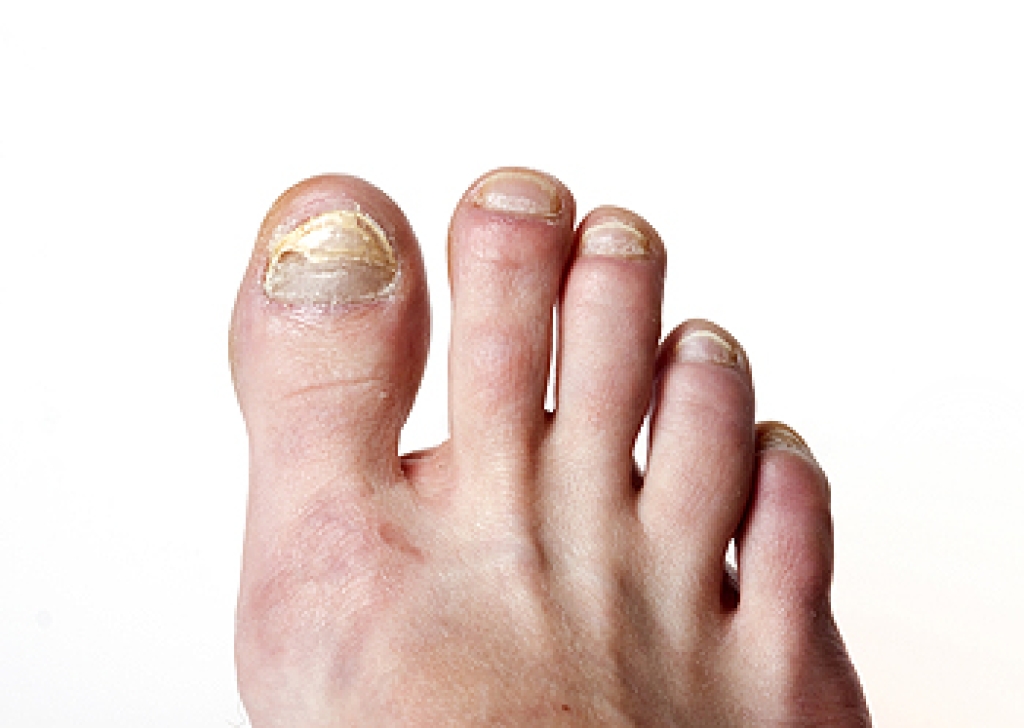
A foot condition known as toenail fungus is quite common among patients who are over sixty years old. It can happen because of an autoimmune disorder, nail trauma, or if the patient has athlete’s foot. Toenail fungus is contagious and is caused by a fungus that enters the skin through tiny cracks. This type of fungus lives and thrives in warm and moist environments. These can consist of public swimming pools, shower room floors, and surrounding areas. A common symptom that is associated with toenail fungus includes a yellowing and thickening of the nails, which will often begin with the big toe. In severe cases, the nails may become brittle and may gradually crack and fall off. Mild relief may be found when the toenails are kept short, and it may help to wear shoes and socks that are made of breathable materials. Additionally, it is recommended that if you are afflicted with toenail fungus you should refrain from sharing towels, shoes, and socks. Please consult with a podiatrist if you would like more information about how to treat toenail fungus.

If left untreated, toenail fungus may spread to other toenails, skin, or even fingernails. If you suspect you have toenail fungus it is important to seek treatment right away. For more information about treatment, contact one of our podiatrists of Foot & Ankle Associates of Maine. Our doctors can provide the care you need to keep you pain-free and on your feet.

Symptoms

  • Warped or oddly shaped nails
  • Yellowish nails
  • Loose/separated nail
  • Buildup of bits and pieces of nail fragments under the nail
  • Brittle, broken, thickened nail

Treatment

If self-care strategies and over-the-counter medications does not help your fungus, your podiatrist may give you a prescription drug instead. Even if you find relief from your toenail fungus symptoms, you may experience a repeat infection in the future.

Prevention

In order to prevent getting toenail fungus in the future, you should always make sure to wash your feet with soap and water. After washing, it is important to dry your feet thoroughly especially in between the toes. When trimming your toenails, be sure to trim straight across instead of in a rounded shape. It is crucial not to cover up discolored nails with nail polish because that will prevent your nail from being able to “breathe”.

In some cases, surgical procedure may be needed to remove the toenail fungus. Consult with your podiatrist about the best treatment options for your case of toenail fungus.  

If you have any questions please contact our office located in Brunswick, ME . We offer the newest diagnostic and treatment technologies for all your foot and ankle needs.

Read more about Toenail Fungus

Heel Spurs and The Plantar Fascia

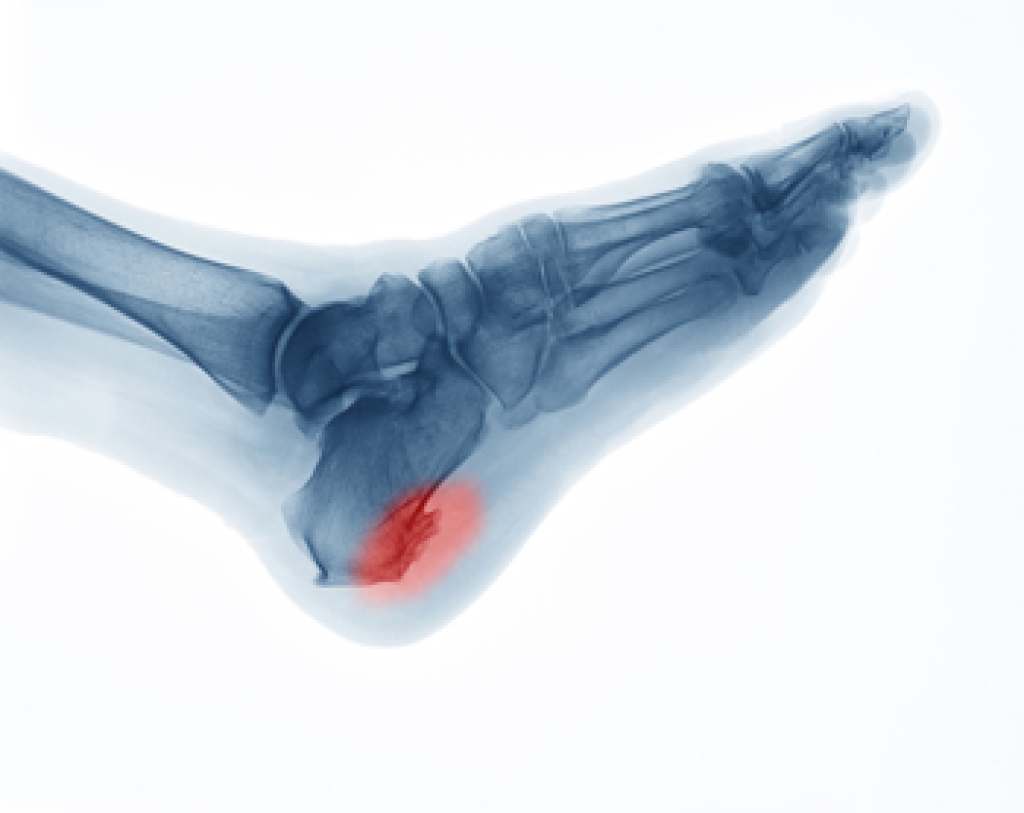
The human foot has twenty-six bones. A heel spur is defined as a bony hook that forms on the bottom of the heel. This often causes severe pain and discomfort, and it can be difficult to walk. Heel spurs form on the largest bone in the foot, known as the calcaneus. The heel spur generally develops at the spot where the plantar fascia attaches to the bone. This band of tissue is located on the sole of the foot, and connects the heel to the toes. The pain comes from surrounding tissues that become inflamed, and sharp and sudden pain may exist in the sole of the foot. Heel spurs can be diagnosed by taking an X-ray of the affected foot. If you have a heel spur, it is strongly suggested that you seek the counsel of a podiatrist who can effectively diagnose and treat heel spurs.

Heel spurs can be incredibly painful and sometimes may make you unable to participate in physical activities. To get medical care for your heel spurs, contact one of our podiatrists from Foot & Ankle Associates of Maine. Our doctors will do everything possible to treat your condition.

Heels Spurs

Heel spurs are formed by calcium deposits on the back of the foot where the heel is. This can also be caused by small fragments of bone breaking off one section of the foot, attaching onto the back of the foot. Heel spurs can also be bone growth on the back of the foot and may grow in the direction of the arch of the foot.

Older individuals usually suffer from heel spurs and pain sometimes intensifies with age. One of the main condition's spurs are related to is plantar fasciitis.

Pain

The pain associated with spurs is often because of weight placed on the feet. When someone is walking, their entire weight is concentrated on the feet. Bone spurs then have the tendency to affect other bones and tissues around the foot. As the pain continues, the feet will become tender and sensitive over time.

Treatments

There are many ways to treat heel spurs. If one is suffering from heel spurs in conjunction with pain, there are several methods for healing. Medication, surgery, and herbal care are some options.

If you have any questions, please feel free to contact our office located in Brunswick, ME . We offer the newest diagnostic and treatment technologies for all your foot care needs.
Read more about How to Treat Heel Spurs

Connect With Us