How the Feet Can Reveal Issues Throughout the Body

There are a variety of health issues that can occur throughout the body that podiatrists are often the first to discover. This is because foot related issues can be an indicator of a more severe issue. For example, if your feet are too cold or turning blue, it can mean that there are issues with how the blood is circulating throughout the body. Diabetes is another condition that can affect the feet by causing wounds to heal slower. Heart disease or high blood pressure is another issue that can present itself in the feet by causing the feet to swell. Frequently occurring fungal nail infections can also indicate an auto-immune disorder or a weakened immune system. Patients who notice anything unusual with their feet should visit with a podiatrist to have the issue examined. 

When dealing with systemic disease of the feet, it is extremely important to check the affected areas routinely so that any additional problems are caught quickly.  If you have any concerns about your feet and ankles contact one of our podiatrists from Foot & Ankle Associates of Maine. Our doctors will assist you with all of your podiatric needs.

Systemic Diseases of the Feet

Systemic diseases affect the whole body, and symptoms usually are displayed in the feet. This condition can make a patient’s ability to walk unbearable.  Systemic diseases include gout, diabetes mellitus, neurological disorders, and arthritis.

Gout – is caused by an excess of uric acid in the body. Common symptoms include pain, inflammation, and redness at the metatarsal/phalangeal joint of the base big toe. Gout can be treated by NSAIDs to relieve pain and inflammation, and other drugs that lower the acid levels in the body.

Diabetes mellitus – is an increase in the level of blood sugar that the body cannot counteract with its own insulin. Failure to produce enough insulin is a factor in Diabetes.

Diabetes of the Feet

Diabetic Neuropathy – may lead to damaged nerves and affect the feet through numbness and loss of sensation.

Peripheral Vascular Disease – can restrict the blood flow to the feet, and often times lead to amputation of the feet. 

If you have any questions please contact our office located in Brunswick, ME . We offer the newest diagnostic and treatment technologies for all your foot and ankle needs.

Read more about Systemic Diseases of the Foot

Why Do My Heels Hurt?

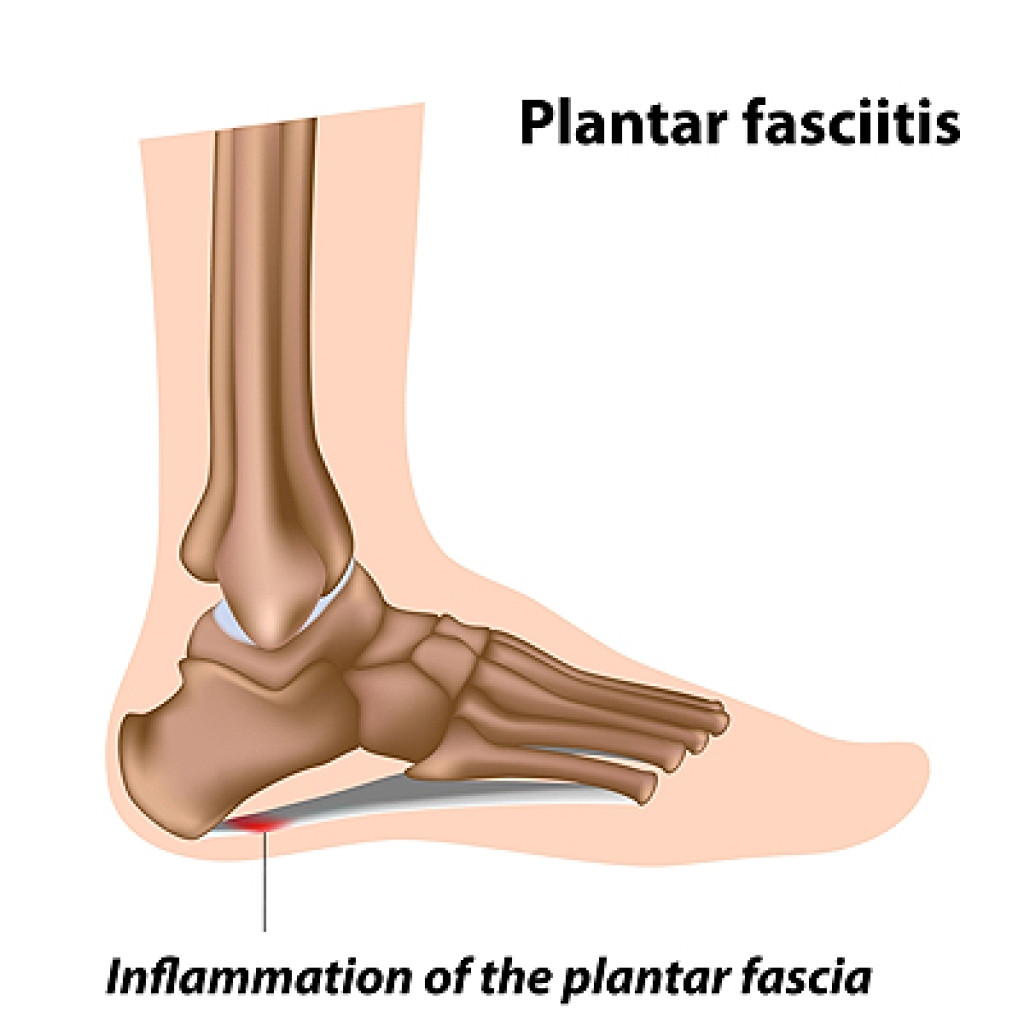
If you are middle-aged, overweight, pregnant, stand for long periods of time, or wear shoes that offer little cushioning, you may be a candidate for plantar fasciitis. Other causes include, having flat feet, wearing ill-fitting shoes, running or jumping on hard surfaces, and having medical conditions, such as diabetes and arthritis. The plantar fascia is a band of tissue that connects the toes with the heels. When the plantar fascia is overstretched or bruised, the heel often bears the brunt of the pain. The pain is usually worse when you first get up in the morning, or after sitting or standing for long periods of time. There are a number of home remedies, such as icing the painful area, massaging your foot by rolling a golf ball under it, losing weight, and wearing heel pads in your shoes. However, if pain continues to increase, it may be wise to seek the opinion of a podiatrist who can examine the area, properly diagnose the condition, and suggest specific treatment options. 

Plantar fasciitis can be very painful and inconvenient. If you are experiencing heel pain or symptoms of plantar fasciitis, contact one of our podiatrists  from Foot & Ankle Associates of Maine. Our doctors can provide the care you need to keep you pain-free and on your feet.

What Is Plantar Fasciitis?

Plantar fasciitis is the inflammation of the thick band of tissue that runs along the bottom of your foot, known as the plantar fascia, and causes mild to severe heel pain.

What Causes Plantar Fasciitis?

  • Excessive running
  • Non-supportive shoes
  • Overpronation
  • Repeated stretching and tearing of the plantar fascia

How Can It Be Treated?

  • Conservative measures – anti-inflammatories, ice packs, stretching exercises, physical therapy, orthotic devices
  • Shockwave therapy – sound waves are sent to the affected area to facilitate healing and are usually used for chronic cases of plantar fasciitis
  • Surgery – usually only used as a last resort when all else fails. The plantar fascia can be surgically detached from the heel

While very treatable, plantar fasciitis is definitely not something that should be ignored. Especially in severe cases, speaking to your doctor right away is highly recommended to avoid complications and severe heel pain. Your podiatrist can work with you to provide the appropriate treatment options tailored to your condition.

If you have any questions, please feel free to contact our office located in Brunswick, ME . We offer the newest diagnostic and treatment technologies for all your foot care needs.

Read more about Plantar Fasciitis

Plantar Warts Can Be Treated!

Plantar warts are small growths that develop on parts of the feet that bear weight. They're typically found on the bottom of the foot. Don't live with plantar warts, and call us today!

Do You Have an Ingrown Toenail?

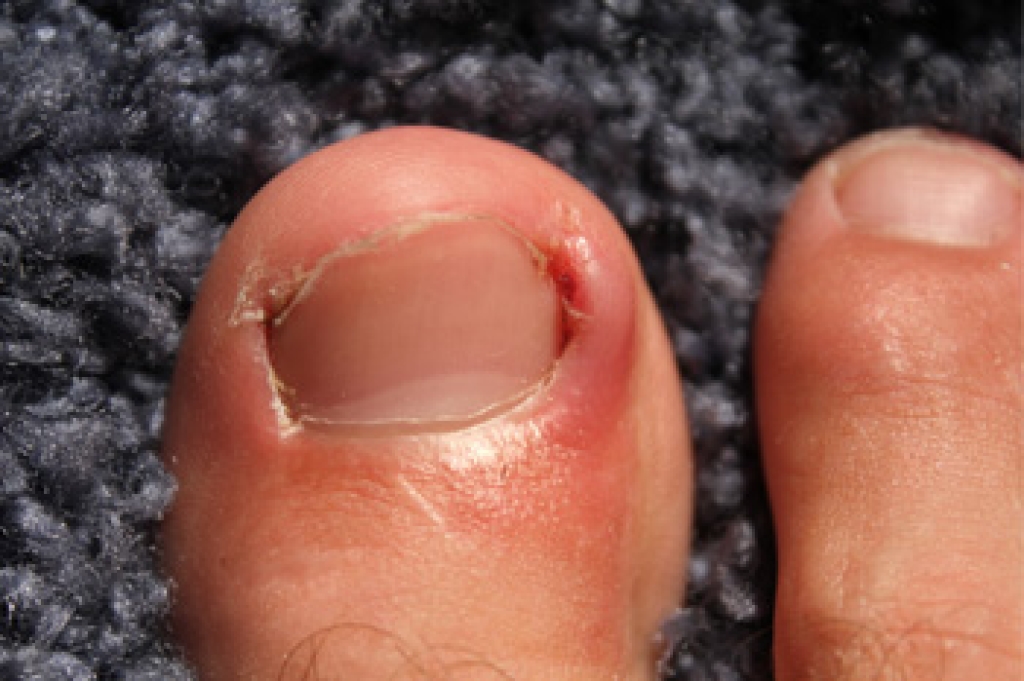
When the corner of a toenail grows into the surrounding skin instead of over it, an ingrown toenail can form. While an ingrown toenail can happen to any of the toes, it usually occurs on the big toe. Ingrown toenails can develop for several reasons like cutting the toenail too short, rounding the corner of the nail when cutting it, wearing shoes that are too tight, or trauma, such as stubbing the toe. The most prevalent symptom of an ingrown toenail is pain where the nail is growing into the skin, and a red or swollen appearance to the affected skin. Ingrown toenails can also get infected and may drain pus. If you have an infected ingrown toenail or one that is very painful, it is suggested that you consult with a podiatrist.

Ingrown toenails can become painful if they are not treated properly. For more information about ingrown toenails, contact one of our podiatrists of Foot & Ankle Associates of Maine. Our doctors can provide the care you need to keep you pain-free and on your feet.

Ingrown Toenails

Ingrown toenails occur when a toenail grows sideways into the bed of the nail, causing pain, swelling, and possibly infection.

Causes

  • Bacterial infections
  • Improper nail cutting such as cutting it too short or not straight across
  • Trauma to the toe, such as stubbing, which causes the nail to grow back irregularly
  • Ill-fitting shoes that bunch the toes too close together
  • Genetic predisposition

Prevention

Wearing proper fitting shoes and using proper cutting techniques will also help decrease your risk of developing ingrown toenails.

Treatment

Ingrown toenails are a very treatable foot condition. In minor cases, soaking the affected area in salt or antibacterial soaps will not only help with the ingrown nail itself, but also help prevent any infections from occurring. In more severe cases, surgery is an option. In either case, speaking to your podiatrist about this condition will help you get a better understanding of specific treatment options that are right for you.

If you have any questions, please feel free to contact our office located in Brunswick, ME . We offer the newest diagnostic and treatment technologies for all your foot care needs.

Read more about Ingrown Toenail Care

Benefits of Wearing Custom Orthotics

Many people wear generic shoe inserts and insoles to alleviate minor discomfort in the feet while walking or exercising. But if you have frequent or chronic heel and foot pain, you may be a candidate for custom orthotics. These inserts fit the exact contours of your feet and target the cause of your pain. Orthotics can help to alleviate lower back pain, which often begins in your feet and travels upward. Orthotics also can correct alignment and improve your overall posture. Custom orthotics are designed to address not only your foot problems, but also to take into consideration your weight, height and pain history. If you have ongoing foot, leg, or back discomfort, seek the counsel of a podiatrist who can diagnose the problem, offer treatment options, and prescribe the proper shoe inserts for you.  

If you are having discomfort in your feet and would like to try orthotics, contact one of our podiatrists from Foot & Ankle Associates of Maine. Our doctors can provide the care you need to keep you pain-free and on your feet.

What Are Orthotics?

Orthotics are inserts you can place into your shoes to help with a variety of foot problems such as flat feet or foot pain. Orthotics provide relief and comfort for minor foot and heel pain but can’t correct serious biomechanical problems in your feet.

Over-the-Counter Inserts

Orthotics come in a wide variety of over-the-counter inserts that are used to treat foot pain, heel pain, and minor problems. For example, arch supports can be inserted into your shoes to help correct overarched or flat feet, while gel insoles are often used because they provide comfort and relief from foot and heel pain by alleviating pressure.

Prescription Orthotics

If over-the-counter inserts don’t work for you or if you have a more severe foot concern, it is possible to have your podiatrist prescribe custom orthotics. These high-quality inserts are designed to treat problems such as abnormal motion, plantar fasciitis, and severe forms of heel pain. They can even be used to help patients suffering from diabetes by treating foot ulcers and painful calluses and are usually molded to your feet individually, which allows them to provide full support and comfort.

If you are experiencing minor to severe foot or heel pain, it’s recommended to speak with your podiatrist about the possibilities of using orthotics. A podiatrist can determine which type of orthotic is right for you and allow you to take the first steps towards being pain-free.

If you have any questions, please feel free to contact our office located in Brunswick, ME . We offer the newest diagnostic and treatment technologies for all your foot care needs.

Read more about Ankle Foot Orthotics for Athletes

Connect With Us