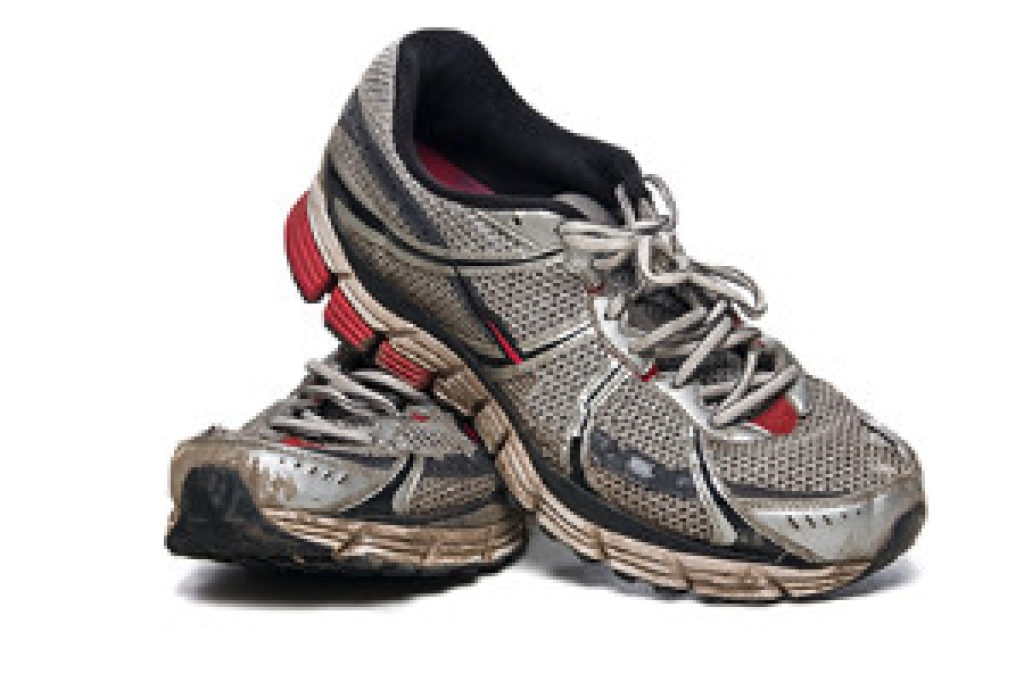
Choosing the Right Running Shoes for Your Feet

Selecting the right running shoes is essential for comfort, performance, and injury prevention. The best choice depends on foot shape, gait, and running goals. Runners with flat feet may need stability shoes, while those with high arches may benefit from cushioned support. Understanding your gait, whether neutral, where your foot lands evenly and rolls naturally, overpronated, where your foot rolls inward excessively, or supinated, where your foot rolls outward too much, also helps in finding proper footwear. Wearing the wrong shoes can lead to foot pain, shin splints, plantar fasciitis, or stress fractures. A podiatrist can evaluate your foot structure and gait, recommend the right shoe type, and provide orthotics, if needed. If you have foot pain while running, it is suggested that you consult a podiatrist who can treat various foot conditions, and provide additional guidance on appropriate shoes to wear for your running style.

For more information about walking shoes versus running shoes, consult with one of our podiatrists from Foot & Ankle Associates of Maine. Our doctors can measure your feet to determine what your needs are and help you find an appropriate pair of footwear.

Foot Health: The Differences between Walking & Running Shoes

There are great ways to stay in shape: running and walking are two great exercises to a healthy lifestyle. It is important to know that running shoes and walking shoes are not interchangeable. There is a key difference on how the feet hit the ground when someone is running or walking. This is why one should be aware that a shoe is designed differently for each activity.

You may be asking yourself what the real differences are between walking and running shoes and the answers may shock you.

Differences

Walking doesn’t involve as much stress or impact on the feet as running does. However, this doesn’t mean that you should be any less prepared. When you’re walking, you land on your heels and have your foot roll forward. This rolling motion requires additional support to the feet.

Flexibility – Walking shoes are designed to have soft, flexible soles. This allows the walker to push off easily with each step.

If you have any questions, please feel free to contact our office located in Brunswick, ME . We offer the newest diagnostic and treatment technologies for all your foot care needs.
Read more about Differences between Walking and Running Shoes

Possible Treatment of a Broken Foot

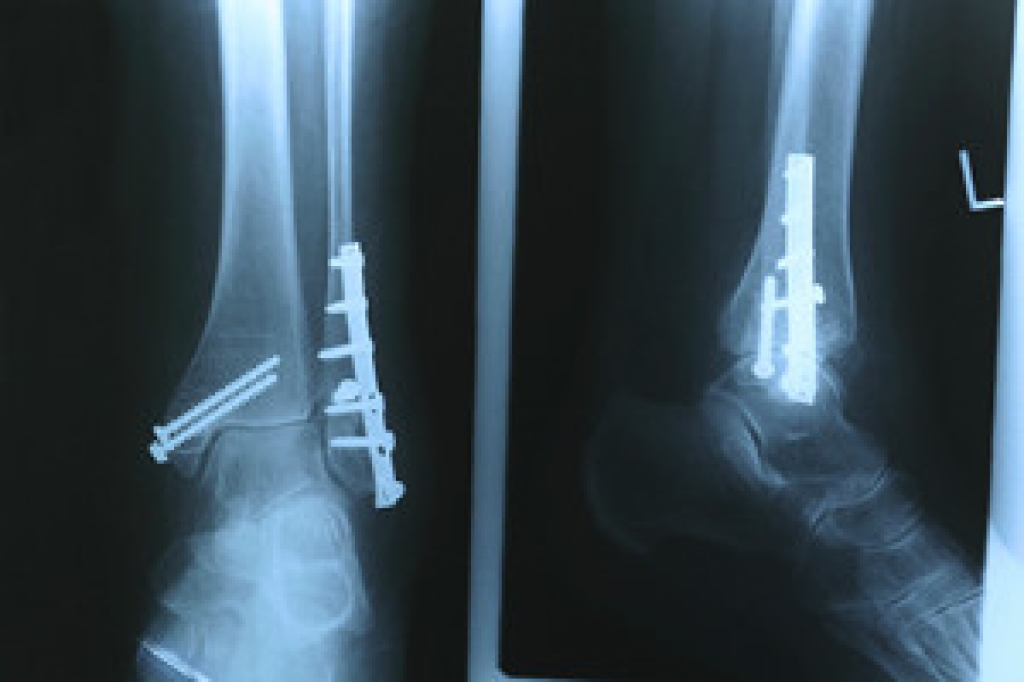
A common reason a broken foot may occur can be from falling off of a ladder, or it may become injured from participating in sporting events. The bones that are located between the toes and the ankle are referred to as the metatarsals. They can be prone to stress fractures, which typically happen from overuse. The average healing time for a broken foot is generally six to twelve weeks. Many daily activities are able to be completed as the healing process occurs when a walking boot or cast is worn. For more severe fractures, it may take longer if surgery is required. If you have pain in your feet as a result of either a fall or something else, it is advised that you consult with a podiatrist.

A broken foot requires immediate medical attention and treatment. If you need your feet checked, contact one of our podiatrists from Foot & Ankle Associates of Maine. Our doctors can provide the care you need to keep you pain-free and on your feet.

Broken Foot Causes, Symptoms, and Treatment

A broken foot is caused by one of the bones in the foot typically breaking when bended, crushed, or stretched beyond its natural capabilities. Usually the location of the fracture indicates how the break occurred, whether it was through an object, fall, or any other type of injury. 

Common Symptoms of Broken Feet:

  • Bruising
  • Pain
  • Redness
  • Swelling
  • Blue in color
  • Numbness
  • Cold
  • Misshapen
  • Cuts
  • Deformities

Those that suspect they have a broken foot shoot seek urgent medical attention where a medical professional could diagnose the severity.

Treatment for broken bones varies depending on the cause, severity and location. Some will require the use of splints, casts or crutches while others could even involve surgery to repair the broken bones. Personal care includes the use of ice and keeping the foot stabilized and elevated.

If you have any questions, please feel free to contact our office located in Brunswick, ME . We offer the newest diagnostic and treatment technologies for all your foot care needs.
Read more about Causes, Symptoms, and Treatment for a Broken Foot

Onychocryptosis Is an Ingrown Toenail

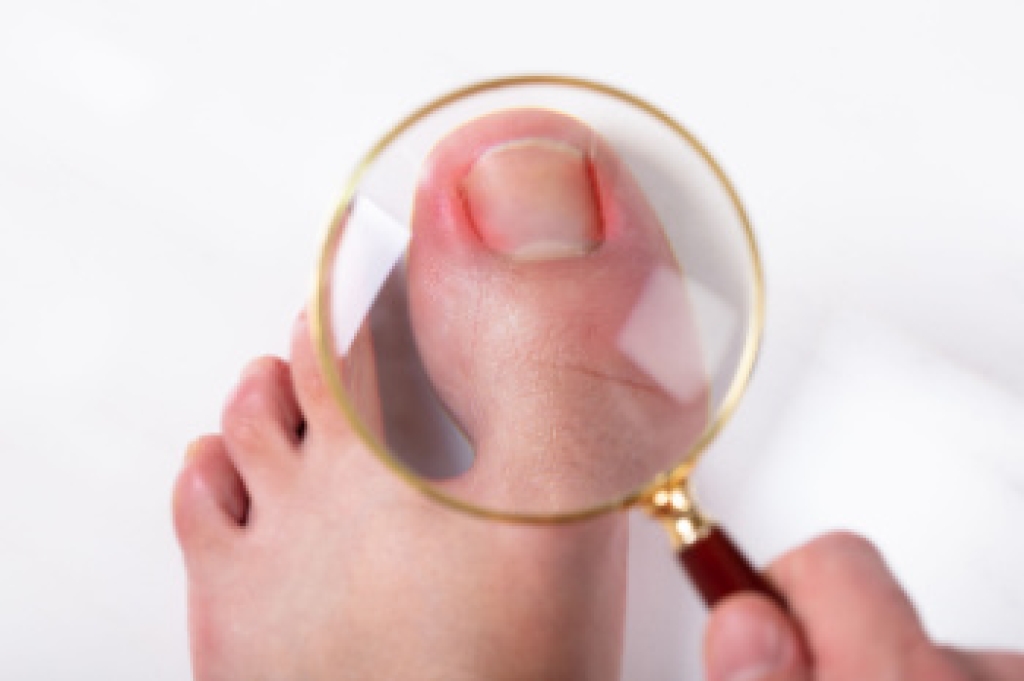
Onychocryptosis, commonly known as an ingrown toenail, occurs when the edge of a toenail grows into the surrounding skin, causing pain, redness, and swelling. Causes include improper nail trimming, wearing tight or narrow shoes, injury to the toe, or an abnormal nail shape. Risk factors include genetics, poor foot hygiene, and repeated trauma from activities like running or sports. Symptoms include tenderness along the nail border, infection, and pain while walking or wearing shoes. A podiatrist can provide professional treatment, including safe removal of the ingrown portion, infection control, and guidance on proper nail care to prevent recurrence. If you are struggling with pain from an ingrown toenail, it is suggested that you promptly consult a podiatrist who can offer effective relief solutions, which may include minor surgery for partial removal.

Ingrown toenails can become painful if they are not treated properly. For more information about ingrown toenails, contact one of our podiatrists of Foot & Ankle Associates of Maine. Our doctors can provide the care you need to keep you pain-free and on your feet.

Ingrown Toenails

Ingrown toenails occur when a toenail grows sideways into the bed of the nail, causing pain, swelling, and possibly infection.

Causes

  • Bacterial infections
  • Improper nail cutting such as cutting it too short or not straight across
  • Trauma to the toe, such as stubbing, which causes the nail to grow back irregularly
  • Ill-fitting shoes that bunch the toes too close together
  • Genetic predisposition

Prevention

Wearing proper fitting shoes and using proper cutting techniques will also help decrease your risk of developing ingrown toenails.

Treatment

Ingrown toenails are a very treatable foot condition. In minor cases, soaking the affected area in salt or antibacterial soaps will not only help with the ingrown nail itself, but also help prevent any infections from occurring. In more severe cases, surgery is an option. In either case, speaking to your podiatrist about this condition will help you get a better understanding of specific treatment options that are right for you.

If you have any questions, please feel free to contact our office located in Brunswick, ME . We offer the newest diagnostic and treatment technologies for all your foot care needs.
Read more about Ingrown Toenail Care

Understanding Kohler Disease in Children

Kohler disease is a rare foot condition that affects the tarsal navicular bone. This small midfoot bone helps connect the ankle to the toes and supports the arch, which becomes compressed and weakened. Kohler disease typically occurs in children between the ages of five and 10. The exact cause is unknown, but possible genetic links and disruptions in blood supply may contribute. Symptoms often include redness of the foot, tenderness along the length of the arch, swelling, and limping due to pain. Although the condition usually resolves with time, early diagnosis is important to relieve discomfort and prevent long-term issues. A podiatrist can provide supportive treatments, recommend protective footwear, and monitor healing. If your child shows signs of Kohler disease or has foot pain of any kind, it is suggested that you promptly consult a podiatrist to schedule an appointment for expert care.

Some foot conditions may require additional professional care. If you have any concerns, contact one of our podiatrists of Foot & Ankle Associates of Maine. Our doctors can provide the care you need to keep you pain-free and on your feet.

Rare Foot Conditions

The majority of foot conditions are common and can be treated by a podiatrist.  Standard diagnostic procedures are generally used to identify specific conditions and treatment can be rendered. A podiatrist also treats rare foot conditions which can be difficult to diagnose and may need extra attention and care. 

There are many rare foot conditions that can affect children. Some of these can include:

  • Freiberg’s disease
  • Kohler’s disease
  • Maffucci syndrome

Freiberg’s disease - This can be seen as a deterioration and flattening of a metatarsal bone that exists in the ball of the foot. It typically affects pre-teen and teenage girls, but can affect anyone at any age. Symptoms that can accompany this can be swelling, stiffness, and the patient may limp. 

Kohler’s disease - This often targets the bone in the arch of the foot and affects younger boys. It can lead to an interruption of the blood supply which ultimately can lead to bone deterioration. The patient may limp or experience tenderness, swelling, and redness.

Maffucci syndrome - This affects the long bones in a child’s foot leading to the development of abnormal bone lesions. They are benign growths and typically develop in early childhood and the bones may be susceptible to breaking. 

A podiatrist can properly diagnose and treat all types of rare foot conditions. If your child is affected by any of these symptoms or conditions, please don’t hesitate to call our office so the correct treatment method can begin.

If you have any questions, please feel free to contact our office located in Brunswick, ME . We offer the newest diagnostic and treatment technologies for all your foot care needs.

Read more about Rare Foot Conditions

We Can Treat Your Foot or Ankle Pain

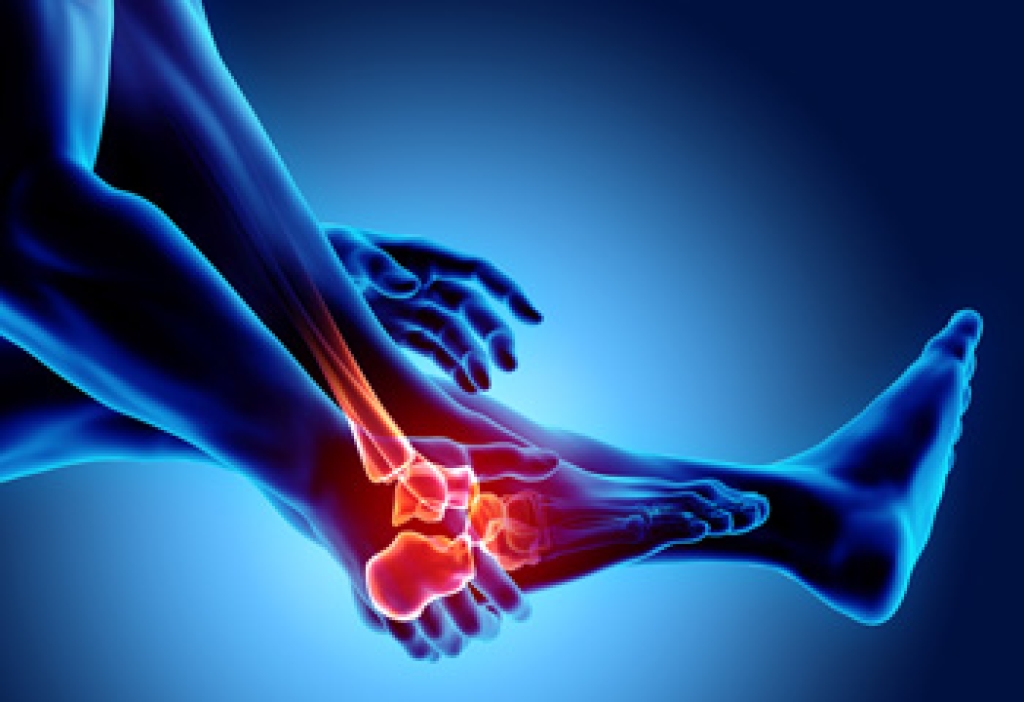
Foot or ankle pain can negatively affect your day-to-day life and can occur due to several different conditions. Pain can also be an indicator of a more serious underlying condition, which is why you should seek professional help as soon as you notice any abnormalities in your feet.

Connect With Us