Finding Shoes to Fit Your Needs

When it comes to finding the perfect shoe, we all have different needs, and the shoes that you choose should be comfortable for you and your foot shape. If you have bunions, you may want to buy shoes that have a wide toe box, excellent arch support, and are made out of a flexible material that is not too tight on your feet. If you have high arches, you may want to get shoes that have a rubber heel and extra cushion. If you have flat feet, you may want shoes that have good structure and support for your arches. Finally, if you have wide feet, look for shoes that come in wide sizes. For more information on finding the perfect shoe for you, speak with a podiatrist today.

It is important to find shoes that fit you properly in order to avoid a variety of different foot problems. For more information about treatment, contact one of our podiatrists from Foot & Ankle Associates of Maine. Our doctors will treat your foot and ankle needs.

Proper Shoe Fitting

Shoes have many different functions. They cushion our body weight, protect our feet, and allow us to safely play sports. You should always make sure that the shoes you wear fit you properly in order to avoid injuries and deformities such as: bunions, corns, calluses, hammertoes, plantar fasciitis, stress fractures, and more. It is important to note that although a certain pair of shoes might be a great fit for someone else, that doesn’t mean they will be a great fit for you. This is why you should always try on shoes before buying them to make sure they are worth the investment. Typically, shoes need to be replaced ever six months to one year of regular use.

Tips for Proper Shoe Fitting

  • Select a shoe that is shaped like your foot
  • Don’t buy shoes that fit too tight, expecting them to stretch to fit
  • Make sure there is enough space (3/8” to ½”) for your longest toe at the end of each shoe when you are standing up
  • Walk in the shoes to make sure they fit and feel right
  • Don’t select shoes by the size marked inside the shoe, but by how the shoe fits your foot

The shoes you buy should always feel as good as they look. Shoes that fit properly will last longer, feel better, and improve your way of life each day.

If you have any questions please contact our office located in Brunswick, ME . We offer the newest diagnostic and treatment technologies for all your foot and ankle needs.

Read more about How to Get a Proper Shoe Fit

Why Live with Pain and Numbness in Your Feet?

Suffering from this type of pain? You may have the foot condition known as Morton's neuroma. Morton's neuroma may develop as a result of ill-fitting footwear and existing foot deformities. We can help.

Are Plantar Warts Contagious?

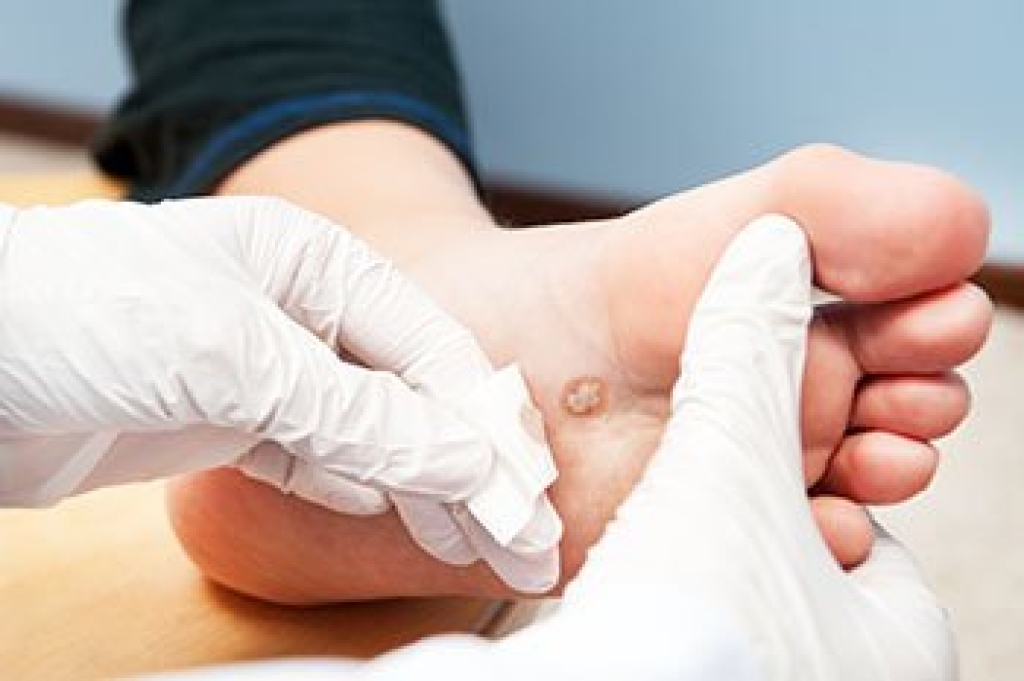
Plantar warts are warts that develop on the bottom of the feet. These warts are caused by the human papillomavirus (HPV), a contagious virus that infects the top layer of skin. HPV typically enters the body through broken skin, and warts are spread through direct contact with the virus. Sharing personal items that can harbor the virus, such as towels, shoes, socks, and razors can cause an infection. If you already have a wart, you can also reinfect yourself by touching the wart and then touching another part of your body. Warts often take months to develop after you have come in contact with HPV, so it is important to prevent HPV infections in the first place. Some prevention strategies include not sharing personal items, keeping the feet dry, and wearing shoes when walking through public areas or on warm, moist surfaces, like those at a public swimming pool. For more information about plantar warts, consult with a podiatrist.  

Plantar warts can be very uncomfortable. If you need your feet checked, contact one of our podiatrists from Foot & Ankle Associates of Maine. Our doctors will assist you with all of your foot and ankle needs.

About Plantar Warts

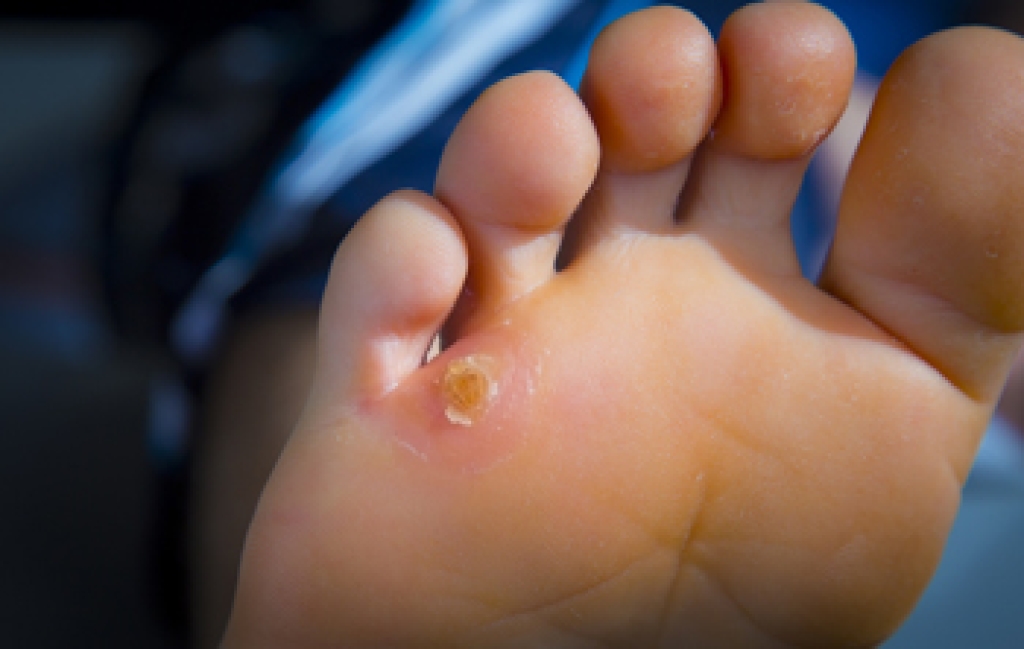
Plantar warts are the result of HPV, or human papillomavirus, getting into open wounds on the feet. They are mostly found on the heels or balls of the feet.

While plantar warts are generally harmless, those experiencing excessive pain or those suffering from diabetes or a compromised immune system require immediate medical care. Plantar warts are easily diagnosed, usually through scraping off a bit of rough skin or by getting a biopsy.

Symptoms

  • Lesions on the bottom of your feet, usually rough and grainy
  • Hard or thick callused spots
  • Wart seeds, which are small clotted blood vessels that look like little black spots
  • Pain, discomfort, or tenderness of your feet when walking or standing

Treatment

  • Freezing
  • Electric tool removal
  • Laser Treatment
  • Topical Creams (prescription only)
  • Over-the-counter medications

To help prevent developing plantar warts, avoid walking barefoot over abrasive surfaces that can cause cuts or wounds for HPV to get into. Avoiding direct contact with other warts, as well as not picking or rubbing existing warts, can help prevent the further spread of plantar warts. However, if you think you have developed plantar warts, speak to your podiatrist. He or she can diagnose the warts on your feet and recommend the appropriate treatment options.

If you have any questions, please feel free to contact our office located in Brunswick, ME . We offer the newest diagnostic and treatment technologies for all your foot care needs.

Read more about Plantar Warts

There Are Two Types of Corns

A small area of thickened skin on the bottom of the foot may indicate a hard corn. It generally develops as a result of excess friction that can come from wearing shoes and socks that do not fit correctly. A corn can form between the toes, and this is referred to as a soft corn. It can be quite painful, and it may feel better to wear a corn pad over the affected area. This can help the corn to gradually reduce in size, and mild relief may be felt when larger size shoes are worn, as they can diminish excess friction. For corns that are severe, salicylic acid may be applied to the affected area, and the corn will eventually be removed. Corns can be quite bothersome, and if you are afflicted with hard or soft corns, it is recommended that you consult with a podiatrist.

If you have any concerns regarding your feet and ankles, contact one of our podiatrists of Foot & Ankle Associates of Maine. Our doctors will treat your foot and ankle needs.

Corns: What Are They? and How Do You Get Rid of Them?
Corns can be described as areas of the skin that have thickened to the point of becoming painful or irritating. They are often layers and layers of the skin that have become dry and rough, and are normally smaller than calluses.

Ways to Prevent Corns
There are many ways to get rid of painful corns such as wearing:

  • Well-fitting socks
  • Comfortable shoes that are not tight around your foot
  • Shoes that offer support

Treating Corns
Treatment of corns involves removing the dead skin that has built up in the specific area of the foot. Consult with Our doctors to determine the best treatment option for your case of corns.

If you have any questions, please feel free to contact our office located in Brunswick, ME . We offer the newest diagnostic and treatment technologies for all your foot care needs.

Read more about Everything You Need to Know About Corns

Common Reasons for Ankle Pain

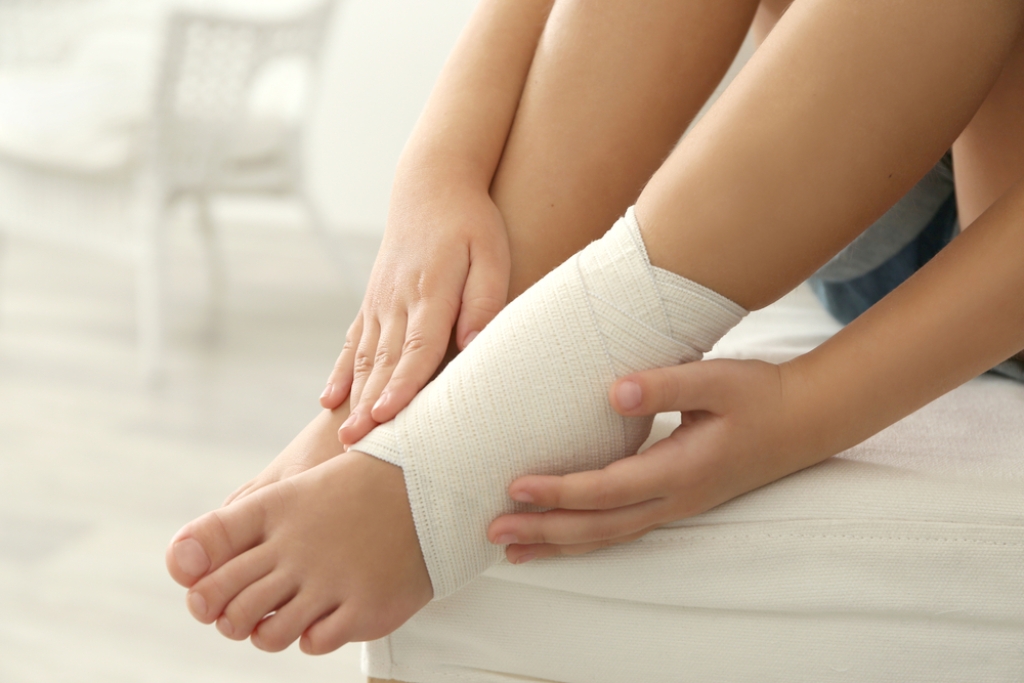
Your ankle can hurt for a variety of reasons. The most common cause of ankle pain is an injury, such as a strain or a sprain. A strain is an injury to the muscle or tendon of the ankle, while a sprain is an injury to the ligament. Both types of injuries can vary in severity and may cause pain or discomfort, tenderness, and swelling. Other possible injuries of the ankle include Achilles tendon ruptures or ankle fractures, which are more severe in nature. Several types of arthritis can affect the ankle, including osteoarthritis, rheumatoid arthritis, and gout. An infection, in which bacteria enters the skin or the joint around the ankle can cause pain and swelling, in addition to fever and fatigue. Flat feet or fallen arches may lead to ankle pain as well. If you are experiencing ankle pain, it is recommended that you see a podiatrist for a proper diagnosis and to begin the best course of treatment that is right for you. 

Ankle pain can be caused by a number of problems and may be potentially serious. If you have ankle pain, consult with one of our podiatrists from Foot & Ankle Associates of Maine. Our doctors will assess your condition and provide you with quality foot and ankle treatment.

Ankle pain is any condition that causes pain in the ankle. Due to the fact that the ankle consists of tendons, muscles, bones, and ligaments, ankle pain can come from a number of different conditions.

Causes

The most common causes of ankle pain include:

  • Types of arthritis (rheumatoid, osteoarthritis, and gout)
  • Ankle sprains
  • Broken ankles
  • Achilles tendonitis
  • Achilles tendon rupture
  • Stress fractures
  • Bursitis
  • Tarsal tunnel syndrome
  • Plantar fasciitis

Symptoms

Symptoms of ankle injury vary based upon the condition. Pain may include general pain and discomfort, swelling, aching, redness, bruising, burning or stabbing sensations, and/or loss of sensation.

Diagnosis

Due to the wide variety of potential causes of ankle pain, podiatrists will utilize a number of different methods to properly diagnose ankle pain. This can include asking for personal and family medical histories and of any recent injuries. Further diagnosis may include sensation tests, a physical examination, and potentially x-rays or other imaging tests.

Treatment

Just as the range of causes varies widely, so do treatments. Some more common treatments are rest, ice packs, keeping pressure off the foot, orthotics and braces, medication for inflammation and pain, and surgery.

If you have any questions please feel free to contact our office located in Brunswick, ME . We offer the newest diagnostic tools and technology to treat your foot and ankle needs.

Read more about Ankle Pain

Connect With Us