Understanding Your Foot Pain

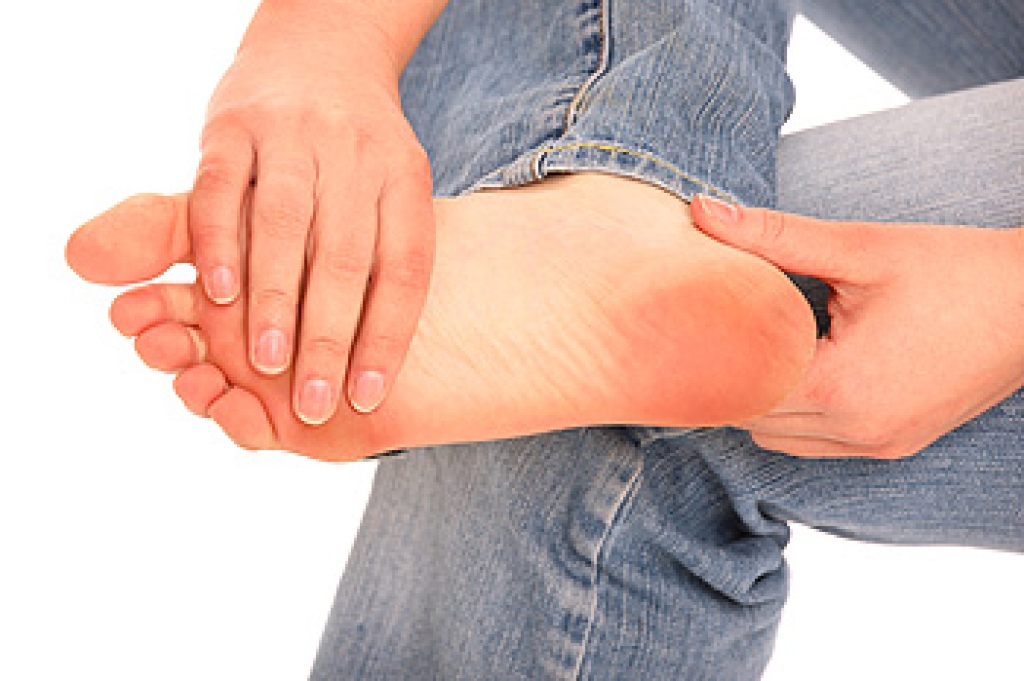
Foot pain is a broad term that covers many different types of pain. The foot is a complex part of the body that is comprised of many bones, ligaments and muscles; therefore, pain can be felt in various parts of the feet. The degree of pain or discomfort felt can highly differ. Pain can present itself as throbbing, aching, stabbing, or mild tenderness. Understanding and learning about your foot pain is key in figuring out what the underlying issue is. Some of the most common foot conditions that cause pain are plantar fasciitis, tarsal tunnel syndrome, metatarsalgia, Morton's neuroma, and Achilles tendinitis. All of these conditions cause pain in different locations and result in different types of pain. If you are experiencing any foot pain, speak with a podiatrist who can properly diagnose and treat the ailment.

Foot Pain

Foot pain can be extremely painful and debilitating. If you have a foot pain, consult with one of our podiatrists from Foot & Ankle Associates of Maine. Our doctors will assess your condition and provide you with quality foot and ankle treatment.

Causes

Foot pain is a very broad condition that could be caused by one or more ailments. The most common include:

  • Bunions
  • Hammertoes
  • Plantar Fasciitis
  • Bone Spurs
  • Corns
  • Tarsal Tunnel Syndrome
  • Ingrown Toenails
  • Arthritis (such as Gout, Rheumatoid, and Osteoarthritis)
  • Flat Feet
  • Injury (from stress fractures, broken toe, foot, ankle, Achilles tendon ruptures, and sprains)
  • And more

Diagnosis

To figure out the cause of foot pain, podiatrists utilize several different methods. This can range from simple visual inspections and sensation tests to X-rays and MRI scans. Prior medical history, family medical history, and any recent physical traumatic events will all be taken into consideration for a proper diagnosis.

Treatment

Treatment depends upon the cause of the foot pain. Whether it is resting, staying off the foot, or having surgery; podiatrists have a number of treatment options available for foot pain.

If you have any questions, please feel free to contact our office located in Brunswick, ME . We offer the newest diagnostic and treatment technologies for all your foot care needs.

Read more about Foot Pain

How Do High Heels Affect the Feet?

Many women who enjoy wearing high heels may be unaware of the possible harm these types of shoes may do to the feet. When high heels are worn, the weight of the body may get shifted to the joint under the big toe. This may result in the formation of a bunion, which is characterized by a bony protrusion on the side of the big toe. Corns and calluses may form on the bottom of the foot and may result in metatarsalgia. This type of pain is typically felt in the ball of the foot. If you have pain in your heel and surrounding areas, it may lead to a condition that is referred to as plantar fasciitis. It may be similar to the pain and discomfort that is experienced with heel spurs, and both conditions may develop as a result of frequently wearing high heels. If you have any of these symptoms, please consult with a podiatrist who can guide you toward proper treatment.

High heels have a history of causing foot and ankle problems. If you have any concerns about your feet or ankles, contact one of our podiatrists from Foot & Ankle Associates of Maine. Our doctors can provide the care you need to keep you pain-free and on your feet.

Effects of High Heels on the Feet

High heels are popular shoes among women because of their many styles and societal appeal.  Despite this, high heels can still cause many health problems if worn too frequently.

Which Parts of My Body Will Be Affected by High Heels?

  • Ankle Joints
  • Achilles Tendon – May shorten and stiffen with prolonged wear
  • Balls of the Feet
  • Knees – Heels cause the knees to bend constantly, creating stress on them
  • Back – They decrease the spine’s ability to absorb shock, which may lead to back pain.  The vertebrae of the lower back may compress.

What Kinds of Foot Problems Can Develop from Wearing High Heels?

  • Corns
  • Calluses
  • Hammertoe
  • Bunions
  • Morton’s Neuroma
  • Plantar Fasciitis

How Can I Still Wear High Heels and Maintain Foot Health?

If you want to wear high heeled shoes, make sure that you are not wearing them every day, as this will help prevent long term physical problems.  Try wearing thicker heels as opposed to stilettos to distribute weight more evenly across the feet.  Always make sure you are wearing the proper shoes for the right occasion, such as sneakers for exercising.  If you walk to work, try carrying your heels with you and changing into them once you arrive at work.  Adding inserts to your heels can help cushion your feet and absorb shock. Full foot inserts or metatarsal pads are available. 

If you have any questions, please feel free to contact our office located in Brunswick, ME . We offer the newest diagnostic and treatment technologies for all your foot care needs.
Read more about Why High Heels Are Not Ideal for Healthy Feet

Daily Foot Care Is Essential for Diabetic Patients

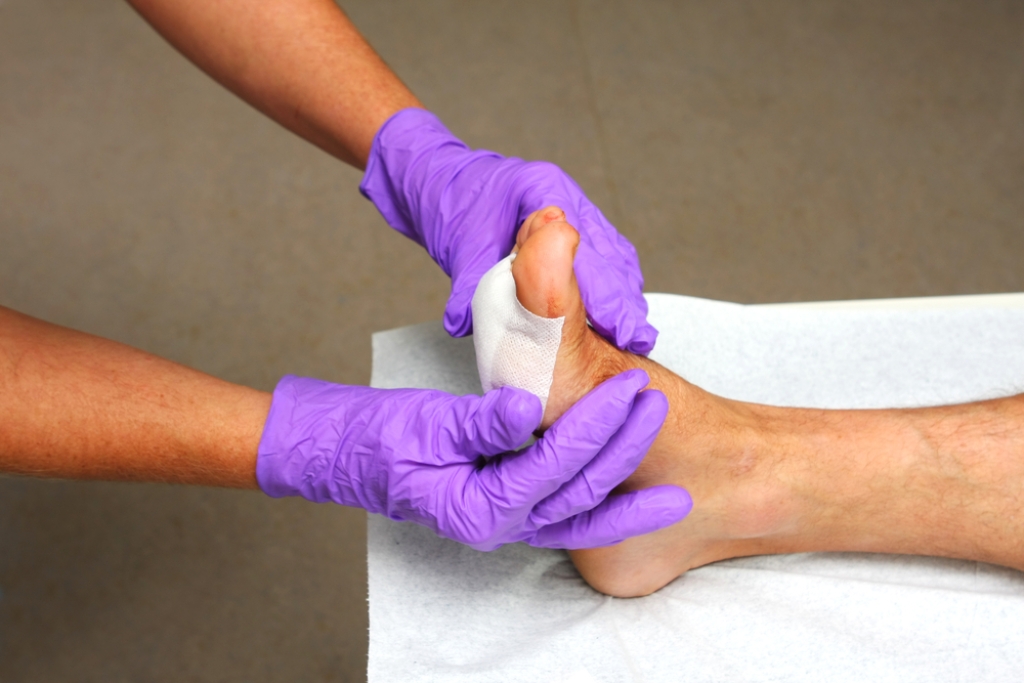
Research has shown the importance of taking care of your feet, and this is especially true if you are a diabetic patient. Many diabetic people have neuropathy, and this may cause a lack of feeling in the feet. Small cuts or bruises may go unnoticed as a result of this condition and may take longer to heal. Foot ulcers may affect up to twenty-five percent of diabetic patients, and it is important to properly take care of your feet. This can be accomplished by checking the feet daily, which may help you to notice any blisters, ingrown toenails, cuts or swelling that may exist. Additionally, the feet should be washed in lukewarm water on a daily basis, gently dried, and followed by using a good moisturizer. This may help to keep the skin soft, which may prevent dry skin. Wearing shoes that fit properly will help the overall health of the feet and choosing seamless socks may aid in preventing cuts in the skin. If you have diabetes, it is strongly suggested that you should seek the counsel of a podiatrist who can properly guide you in learning how to take care of diabetic feet.

Diabetic foot care is important in preventing foot ailments such as ulcers. If you are suffering from diabetes or have any other concerns about your feet, contact one of our podiatrists from Foot & Ankle Associates of Maine. Our doctors can provide the care you need to keep you pain-free and on your feet.

Diabetic Foot Care

Diabetes affects millions of people every year. The condition can damage blood vessels in many parts of the body, especially the feet. Because of this, taking care of your feet is essential if you have diabetes, and having a podiatrist help monitor your foot health is highly recommended.

The Importance of Caring for Your Feet

  • Routinely inspect your feet for bruises or sores.
  • Wear socks that fit your feet comfortably.
  • Wear comfortable shoes that provide adequate support.

Patients with diabetes should have their doctor monitor their blood levels, as blood sugar levels play such a huge role in diabetic care. Monitoring these levels on a regular basis is highly advised.

It is always best to inform your healthcare professional of any concerns you may have regarding your feet, especially for diabetic patients. Early treatment and routine foot examinations are keys to maintaining proper health, especially because severe complications can arise if proper treatment is not applied.

If you have any questions, please feel free to contact our office located in Brunswick, ME . We offer the newest diagnostic and treatment technologies for all your foot care needs.

Read more about Diabetic Foot Care

Identifying What Your Heel Pain Means

Heel pain is usually felt under the heel or behind it. There are various conditions that can cause heel pain, and the location of the pain is indicative of what the specific condition could be. One common cause of heel pain is plantar fasciitis, which is inflammation of the plantar fascia-tissue that runs from the heel bone to the ball of the foot. Plantar fasciitis is usually caused by either high or low arches. Sever’s disease only affects children, usually between the ages of 7 and 15 years old, and is caused by overuse of the growth plates in the heel bone. This condition typically affects children that play sports because of the repetitive impact that the foot endures. These are just two of the many possible conditions that cause heel pain. If you have regular heel pain, it is strongly recommended you speak with a podiatrist to learn about the condition and receive the proper treatment.

Many people suffer from bouts of heel pain. For more information, contact one of our podiatrists of Foot & Ankle Associates of Maine. Our doctors can provide the care you need to keep you pain-free and on your feet.

Causes of Heel Pain

Heel pain is often associated with plantar fasciitis. The plantar fascia is a band of tissues that extends along the bottom of the foot. A rip or tear in this ligament can cause inflammation of the tissue.

Achilles tendonitis is another cause of heel pain. Inflammation of the Achilles tendon will cause pain from fractures and muscle tearing. Lack of flexibility is also another symptom.

Heel spurs are another cause of pain. When the tissues of the plantar fascia undergo a great deal of stress, it can lead to ligament separation from the heel bone, causing heel spurs.

Why Might Heel Pain Occur?

  • Wearing ill-fitting shoes                
  • Wearing non-supportive shoes
  • Weight change           
  • Excessive running

Treatments

Heel pain should be treated as soon as possible for immediate results. Keeping your feet in a stress-free environment will help. If you suffer from Achilles tendonitis or plantar fasciitis, applying ice will reduce the swelling. Stretching before an exercise like running will help the muscles. Using all these tips will help make heel pain a condition of the past.

If you have any questions, please feel free to contact our office located in Brunswick, ME . We offer the newest diagnostic and treatment technologies for all your foot care needs.

Read more about Heel Pain

Connect With Us