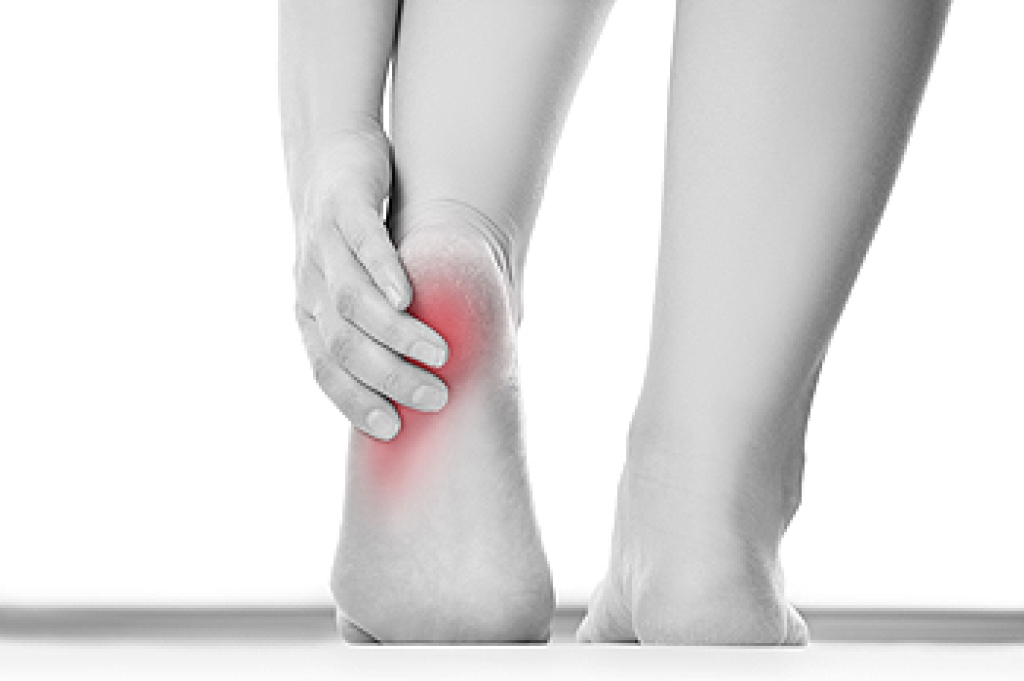
What Causes Heel Pain?

Heel pain can have a wide variety of causes, but the location of the pain can help to guide a proper diagnosis. Pain along the bottom of the foot can be caused by plantar fasciitis, heel pad syndrome, plantar warts, calcaneal stress fractures, nerve entrapment, or a neuroma. Pain in the middle of the foot can be due to peroneal tendinopathy, sinus tarsi syndrome, or tarsal tunnel syndrome. Pain in the back of the foot can be caused by Sever’s disease, Achilles tendinopathy, or a Haglund deformity. Seeing a podiatrist is the first step to healing your heel pain. A podiatrist will be able to examine your heel, ask questions about your current symptoms and medical history, and perform the tests necessary to diagnose and treat your heel pain.

Many people suffer from bouts of heel pain. For more information, contact one of our podiatrists of Foot & Ankle Associates of Maine. Our doctors can provide the care you need to keep you pain-free and on your feet.

Causes of Heel Pain

Heel pain is often associated with plantar fasciitis. The plantar fascia is a band of tissues that extends along the bottom of the foot. A rip or tear in this ligament can cause inflammation of the tissue.

Achilles tendonitis is another cause of heel pain. Inflammation of the Achilles tendon will cause pain from fractures and muscle tearing. Lack of flexibility is also another symptom.

Heel spurs are another cause of pain. When the tissues of the plantar fascia undergo a great deal of stress, it can lead to ligament separation from the heel bone, causing heel spurs.

Why Might Heel Pain Occur?

  • Wearing ill-fitting shoes                
  • Wearing non-supportive shoes
  • Weight change           
  • Excessive running

Treatments

Heel pain should be treated as soon as possible for immediate results. Keeping your feet in a stress-free environment will help. If you suffer from Achilles tendonitis or plantar fasciitis, applying ice will reduce the swelling. Stretching before an exercise like running will help the muscles. Using all these tips will help make heel pain a condition of the past.

If you have any questions, please feel free to contact our office located in Brunswick, ME . We offer the newest diagnostic and treatment technologies for all your foot care needs.

Read more about Heel Pain

Heel Pain Can Be Treated!

Do you suffer from heel pain when you get up in the morning? If so, you should seek professional help and have a proper diagnosis performed. Heel pain can be caused by several different foot-related conditions.

What Happens When Corns Rub You the Wrong Way

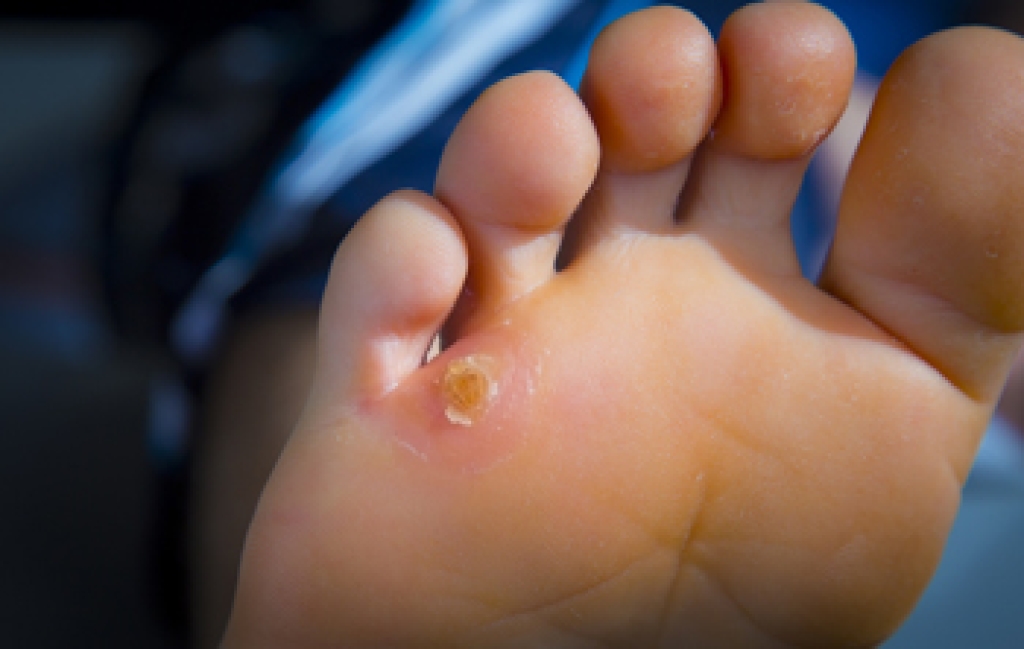
While corns and calluses can be mistaken easily, corns can be harder and painful to touch because they are the result of inflamed skin due to friction or pressure. Hard corns are the most common, while soft corns are rubbery and light in color—often forming between the toes—and smaller seed corns typically appear on the bottom of the feet. You can reduce your chances of developing corns by wearing shoes that fit well, keeping your toenails trimmed, wearing corn pads, and keeping your feet moisturized—all of which reduce friction or pressure on the skin of the feet. While trying to use pumice stones or salicylic acid to remove corns may be tempting, these home remedies can lead to bleeding or infection and are particularly dangerous for those with diabetes, circulation or skin disorders. Contact a podiatrist who can provide safe and effective treatment methods for removing corns, and advise you on how to prevent them from returning.

If you have any concerns regarding your feet and ankles, contact one of our podiatrists of Foot & Ankle Associates of Maine. Our doctors will treat your foot and ankle needs.

Corns: What Are They? and How Do You Get Rid of Them?
Corns can be described as areas of the skin that have thickened to the point of becoming painful or irritating. They are often layers and layers of the skin that have become dry and rough, and are normally smaller than calluses.

Ways to Prevent Corns
There are many ways to get rid of painful corns such as wearing:

  • Well-fitting socks
  • Comfortable shoes that are not tight around your foot
  • Shoes that offer support

Treating Corns
Treatment of corns involves removing the dead skin that has built up in the specific area of the foot. Consult with Our doctors to determine the best treatment option for your case of corns.

If you have any questions, please feel free to contact our office located in Brunswick, ME . We offer the newest diagnostic and treatment technologies for all your foot care needs.
Read more about Corns and Calluses

Diagnosing and Treating a Broken Toe

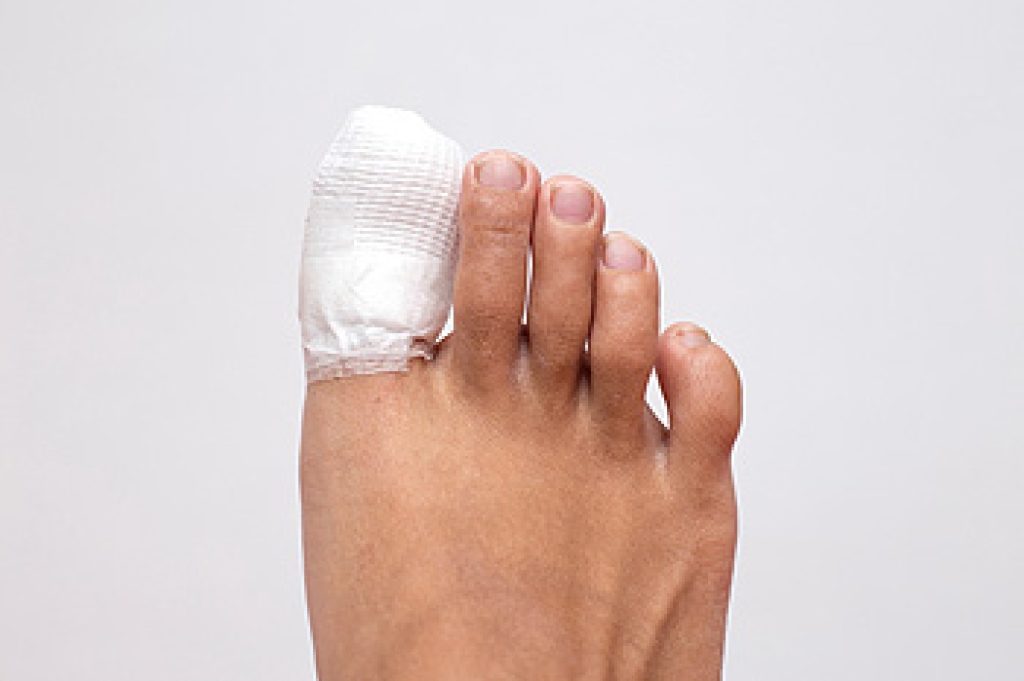
Broken toes are often a result of something being dropped on it, stubbing it, or bending it the wrong way. Broken toes are often indicated by a snap or popping sound when the injury occurs, swelling, bruising, deformity, decreased movement, and worsening pain when the toe is moved or touched. Patients who believe that they have broken their toe should consult with a podiatrist for a proper diagnosis. A podiatrist will check the toe and may need to take an x-ray. Once the broken toe has been diagnosed, the podiatrist will choose the treatment option that is best for the particular injury. Depending on the severity of the break, the toe may be “buddy-taped” to the uninjured toe next to it. A cast, splint, or brace may also be used to treat the toe, and in severe cases, surgery may be necessary.

Broken toes may cause a lot of pain and should be treated as soon as possible. If you have any concerns about your feet, contact one of our podiatrists from Foot & Ankle Associates of Maine. Our doctors will treat your foot and ankle needs.

What Is a Broken Toe?

A broken toe occurs when one or more of the toe bones of the foot are broken after an injury. Injuries such as stubbing your toe or dropping a heavy object on it may cause a toe fracture.

Symptoms of a Broken Toe

  • Swelling
  • Pain (with/without wearing shoes)
  • Stiffness
  • Nail Injury

Although the injured toe should be monitored daily, it is especially important to have a podiatrist look at your toe if you have severe symptoms. Some of these symptoms include worsening or new pain that is not relieved with medication, sores, redness, or open wounds near the toe.

If you have any questions please feel free to contact our office located in Brunswick, ME . We offer the newest diagnostic tools and technology to treat your foot and ankle needs.

Read more about What to Know About a Broken Toe

Signs of Sever’s Disease

Sever’s disease is one of the most common causes of heel pain in growing children. This condition occurs when the growth plate in the heel (calcaneus) becomes inflamed. This results in heel pain and most commonly affects adolescents during growth spurts between the ages of 8 and 14. Common signs of Sever's disease include heel pain during exercise, pain that is worse after exercise, limping, and a tendency to walk on their tiptoe. Contributing factors may include height and weight, as well as how often physical activity is endured or intensified. This condition usually eases over time, but a podiatrist can help ease and manage the pain. Common treatments for Sever’s disease include limiting the amount of time a sport/activity is played, rest, orthotics, ice, and medication for pain and inflammation. If your child is complaining of heel pain that may be a result of Sever’s disease, it is suggested that they are under the care of a podiatrist.

Sever's disease often occurs in children and teens. If your child is experiencing foot or ankle pain, see one of our podiatrists from Foot & Ankle Associates of Maine. Our doctors can treat your child’s foot and ankle needs.

Sever’s Disease

Sever’s disease is also known as calcaneal apophysitis, which is a medical condition that causes heel pain I none or both feet. The disease is known to affect children between the ages of 8 and 14.

Sever’s disease occurs when part of the child’s heel known as the growth plate (calcaneal epiphysis) is attached to the Achilles tendon. This area can suffer injury when the muscles and tendons of the growing foot do not keep pace with bone growth. Therefore, the constant pain which one experiences at the back of the heel will make the child unable to put any weight on the heel. The child is then forced to walk on their toes.

Symptoms

Acute pain – Pain associated with Sever’s disease is usually felt in the heel when the child engages in physical activity such as walking, jumping and or running.

Highly active – Children who are very active are among the most susceptible in experiencing Sever’s disease, because of the stress and tension placed on their feet.

If you have any questions, please feel free to contact our office located in Brunswick, ME . We offer the newest diagnostic and treatment technologies for all your foot care needs.

Read more about Sever's Disease

Connect With Us