
Toes That Suddenly Burn With Pain

Gout is a form of inflammatory arthritis that often affects the big toe joint of the foot. It develops when uric acid builds up in the bloodstream and forms sharp crystals inside a joint. The pain usually begins suddenly, often during the night, and the joint may appear red, swollen, and extremely tender to touch. Even light pressure from a bedsheet can feel intense. Patients often describe the pain as burning or throbbing, and the skin around the joint may feel warm or tight. Common causes include high uric acid levels related to diet, dehydration, problems with kidney function, or genetics. A podiatrist can help diagnose gout through an examination, medical history, and sometimes blood tests or imaging. Treatment focuses on calming the inflammation and preventing future attacks. Care may include medication, supportive footwear, and guidance on lifestyle changes that reduce uric acid levels. Early treatment can protect the joint from long-term damage and reduce repeated flare-ups. If you think you may have gout, it is suggested that you make an appointment with a podiatrist. 

Gout is a foot condition that requires certain treatment and care. If you are seeking treatment, contact one of our podiatrists from Foot & Ankle Associates of Maine. Our doctors will treat your foot and ankle needs.

What Is Gout?

Gout is a type of arthritis caused by a buildup of uric acid in the bloodstream. It often develops in the foot, especially the big toe area, although it can manifest in other parts of the body as well. Gout can make walking and standing very painful and is especially common in diabetics and the obese.

People typically get gout because of a poor diet. Genetic predisposition is also a factor. The children of parents who have had gout frequently have a chance of developing it themselves.

Gout can easily be identified by redness and inflammation of the big toe and the surrounding areas of the foot. Other symptoms include extreme fatigue, joint pain, and running high fevers. Sometimes corticosteroid drugs can be prescribed to treat gout, but the best way to combat this disease is to get more exercise and eat a better diet.

If you have any questions, please feel free to contact our office located in Brunswick, ME . We offer the newest diagnostic and treatment technologies for all your foot care needs.

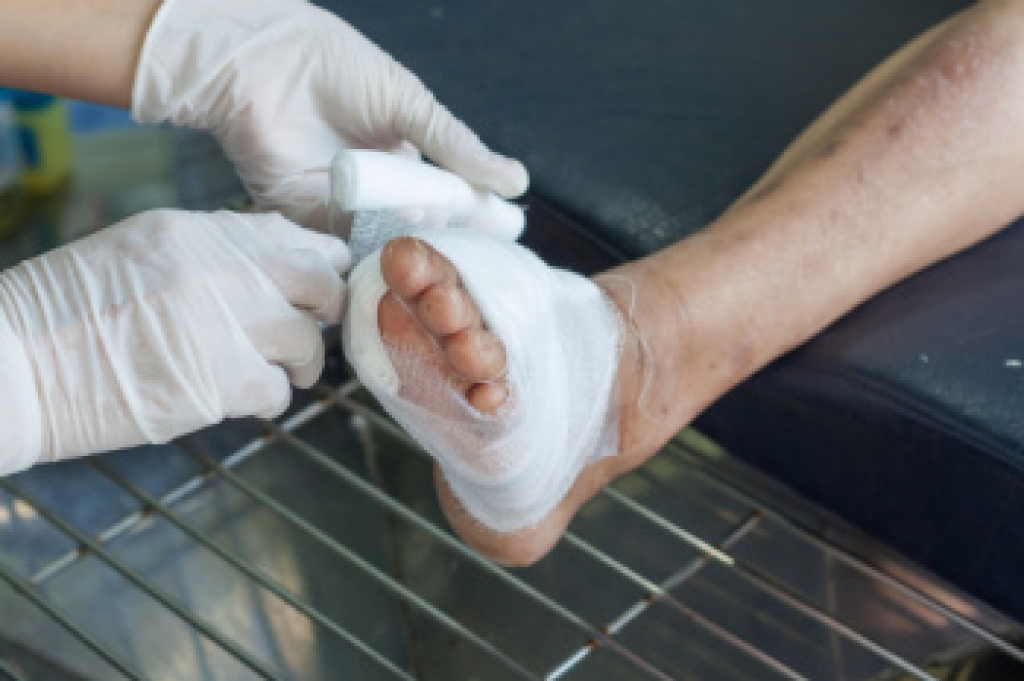
Read more about Gout

When a Simple Blister Disrupts Foot Comfort

Foot blisters may seem minor at first, but they can quickly create discomfort that interferes with walking and daily activity. A blister forms when repeated friction irritates the outer layer of skin and fluid collects beneath the surface. This often occurs during long walks, exercise, or when shoes rub against the heel, toes, or ball of the foot. Warm, moist conditions inside shoes can make the skin softer and more vulnerable to friction. If a blister becomes large or breaks open, the exposed skin may become sore and more likely to develop infection. Wearing properly fitted shoes, choosing moisture wicking socks, and keeping feet clean and dry can help reduce friction and protect the skin. Protective padding may also help prevent pressure on sensitive areas. When foot blisters occur often or become painful, it is suggested that a podiatrist evaluate the problem and recommend appropriate treatment.

Blisters are prone to making everyday activities extremely uncomfortable. If your feet are hurting, contact one of our podiatrists of Foot & Ankle Associates of Maine. Our doctors can provide the care you need to keep you pain-free and on your feet.

Foot Blisters

Foot blisters develop as a result of constantly wearing tight or ill-fitting footwear. This happens due to the constant rubbing from the shoe, which can often lead to pain.

What Are Foot Blisters?

A foot blister is a small fluid-filled pocket that forms on the upper-most layer of the skin. Blisters are filled with clear fluid and can lead to blood drainage or pus if the area becomes infected.

How Do Blisters Form?

Blisters on the feet are often the result of constant friction of skin and material, usually by shoe rubbing. Walking in sandals, boots, or shoes that don’t fit properly for long periods of time can result in a blister. Having consistent foot moisture and humidity can easily lead to blister formation.

Prevention & Treatment

It is important to properly care for the affected area in order to prevent infection and ease the pain. Do not lance the blister and use a Band-Aid to provide pain relief. Also, be sure to keep your feet dry and wear proper fitting shoes. If you see blood or pus in a blister, seek assistance from a podiatrist.

If you have any questions, please feel free to contact our office located in Brunswick, ME . We offer the newest diagnostic and treatment technologies for all your foot care needs.

Read more about Blisters

Protecting Your Feet When You Have Diabetes

Living with diabetes requires daily attention to foot health. High blood sugar can damage nerves and reduce circulation over time. When feeling decreases, small cuts or blisters may go unnoticed. Poor blood flow can also slow healing, allowing minor injuries to become serious wounds. Common concerns include dry, cracked skin, calluses, infections, and open sores. Changes in foot shape or skin color should also be taken seriously. Even a small problem can worsen quickly without proper care. Washing and drying the feet carefully, applying moisturizer to prevent cracking, and wearing well-fitting shoes are simple but important steps. Checking the bottoms of the feet each day helps detect changes. Regular visits with a podiatrist provide professional monitoring and early treatment when needed. Managing blood sugar levels also plays a key role in protecting foot health. If you have diabetes and notice redness, swelling, numbness, or a sore on your foot that is not healing, it is suggested that you see a podiatrist for a proper diagnosis and appropriate treatment.

Diabetic foot care is important in preventing foot ailments such as ulcers. If you are suffering from diabetes or have any other concerns about your feet, contact one of our podiatrists from Foot & Ankle Associates of Maine. Our doctors can provide the care you need to keep you pain-free and on your feet.

Diabetic Foot Care

Diabetes affects millions of people every year. The condition can damage blood vessels in many parts of the body, especially the feet. Because of this, taking care of your feet is essential if you have diabetes, and having a podiatrist help monitor your foot health is highly recommended.

The Importance of Caring for Your Feet

  • Routinely inspect your feet for bruises or sores.
  • Wear socks that fit your feet comfortably.
  • Wear comfortable shoes that provide adequate support.

Patients with diabetes should have their doctor monitor their blood levels, as blood sugar levels play such a huge role in diabetic care. Monitoring these levels on a regular basis is highly advised.

It is always best to inform your healthcare professional of any concerns you may have regarding your feet, especially for diabetic patients. Early treatment and routine foot examinations are keys to maintaining proper health, especially because severe complications can arise if proper treatment is not applied.

If you have any questions, please feel free to contact our office located in Brunswick, ME . We offer the newest diagnostic and treatment technologies for all your foot care needs.

Read more about Diabetic Foot Conditions

Foot Fractures and the Importance of Proper Diagnosis

A foot fracture, commonly referred to as a broken foot, occurs when one or more of the bones in the foot crack or break due to trauma, overuse, or stress. Because symptoms like swelling, bruising, and pain can resemble an ankle sprain, a fracture is sometimes misdiagnosed, leading to delayed healing and further complications. Types of foot fractures include stress fractures, displaced fractures, and hairline fractures, each requiring specific management. An accurate diagnosis through clinical evaluation and imaging tests is essential for proper treatment. A podiatrist can identify the source of pain, provide immobilization or other therapies, and guide recovery. If you have broken your foot, it is suggested that you consult a podiatrist who can guide you toward proper treatment, ensuring your injury heals correctly and completely. 

A broken foot requires immediate medical attention and treatment. If you need your feet checked, contact one of our podiatrists from Foot & Ankle Associates of Maine. Our doctors can provide the care you need to keep you pain-free and on your feet.

Broken Foot Causes, Symptoms, and Treatment

A broken foot is caused by one of the bones in the foot typically breaking when bended, crushed, or stretched beyond its natural capabilities. Usually the location of the fracture indicates how the break occurred, whether it was through an object, fall, or any other type of injury. 

Common Symptoms of Broken Feet:

  • Bruising
  • Pain
  • Redness
  • Swelling
  • Blue in color
  • Numbness
  • Cold
  • Misshapen
  • Cuts
  • Deformities

Those that suspect they have a broken foot shoot seek urgent medical attention where a medical professional could diagnose the severity.

Treatment for broken bones varies depending on the cause, severity and location. Some will require the use of splints, casts or crutches while others could even involve surgery to repair the broken bones. Personal care includes the use of ice and keeping the foot stabilized and elevated.

If you have any questions, please feel free to contact our office located in Brunswick, ME . We offer the newest diagnostic and treatment technologies for all your foot care needs.

Read more about Causes, Symptoms, and Treatment for a Broken Foot

Are You Suffering From Ingrown Toenails?

If left untreated, an ingrown toenail can lead to more serious concerns, such as an infection. Knowing proper nail care can help in the prevention of an ingrown toenail. Give us a call, and get treated!

Connect With Us