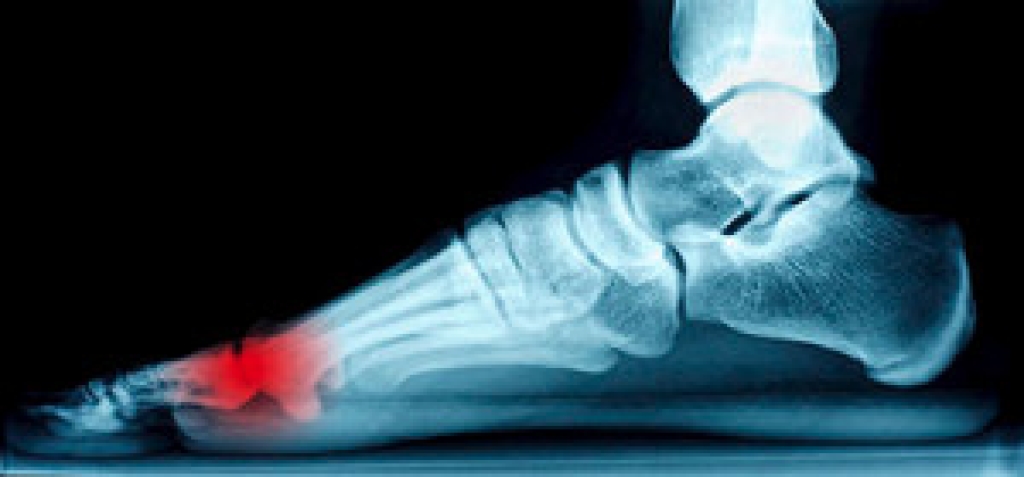
Why Runners Often Suffer from Sesamoiditis

Sesamoiditis is a painful condition that affects the big toe—when either or both of the tiny sesamoiditis bones fracture, or the nearby nerve becomes inflamed. Runners are highly susceptible to this disorder due to the high-impact nature of running and the hard surfaces and objects their feet often interact with. The pain caused by sesamoiditis can vary, depending on what is causing the sesamoiditis and how severe it is. Runners can try to avoid this injury from occurring by wearing larger running shoes and those with rock protection, or shoes that allow for the big toe to be more straight. If you are experiencing any pain in your big toe, contact a podiatrist right away. They can properly diagnose and treat your condition as well as provide professional advice on how best to protect your feet from sesamoiditis.

Sesamoiditis is an unpleasant foot condition characterized by pain in the balls of the feet. If you think you’re struggling with sesamoiditis, contact one of our podiatrists of Foot & Ankle Associates of Maine. Our doctors will treat your condition thoroughly and effectively.

Sesamoiditis

Sesamoiditis is a condition of the foot that affects the ball of the foot. It is more common in younger people than it is in older people. It can also occur with people who have begun a new exercise program, since their bodies are adjusting to the new physical regimen. Pain may also be caused by the inflammation of tendons surrounding the bones. It is important to seek treatment in its early stages because if you ignore the pain, this condition can lead to more serious problems such as severe irritation and bone fractures.

Causes of Sesamoiditis

  • Sudden increase in activity
  • Increase in physically strenuous movement without a proper warm up or build up
  • Foot structure: those who have smaller, bonier feet or those with a high arch may be more susceptible

Treatment for sesamoiditis is non-invasive and simple. Doctors may recommend a strict rest period where the patient forgoes most physical activity. This will help give the patient time to heal their feet through limited activity. For serious cases, it is best to speak with your doctor to determine a treatment option that will help your specific needs.

If you have any questions, please feel free to contact our office located in Brunswick, ME . We offer the newest diagnostic and treatment technologies for all your foot care needs.


Read more about Sesamoiditis

What Foot Conditions Can Affect Children?

When it comes to foot problems, children are susceptible to many of the same conditions as adults. Problems on the skin of the feet, such as plantar warts, athlete’s foot, ingrown toenails, calluses, and blisters are all common in children. Foot and ankle pain, caused by conditions such as plantar fasciitis, a stress fracture, or having flat feet, is also common in children. Being active or playing certain sports can increase the risk of foot and ankle injuries, including sprained ankles and Sever’s disease. For more information about pediatric foot problems, please consult with a podiatrist.

Making sure that your children maintain good foot health is very important as they grow. If you have any questions, contact one of our podiatrists of Foot & Ankle Associates of Maine. Our doctors can provide the care you need to keep you pain-free and on your feet.

Keeping Children's Feet Healthy

Having healthy feet during childhood can help prevent medical problems later in life, namely in the back and legs. As children grow, their feet require different types of care. Here are some things to consider...

Although babies do not walk yet, it is still very important to take care of their feet.

Avoid putting tight shoes or socks on his or her feet.

Allow the baby to stretch and kick his or her feet to feel comfortable.

As a toddler, kids are now on the move and begin to develop differently. At this age, toddlers are getting a feel for walking, so don’t be alarmed if your toddler is unsteady or ‘walks funny’. 

As your child gets older, it is important to teach them how to take care of their feet.

Show them proper hygiene to prevent infections such as fungus.

Be watchful for any pain or injury.

Have all injuries checked by a doctor as soon as possible.

Comfortable, protective shoes should always be worn, especially at play.

If you have any questions, please feel free to contact our office located in Brunswick, ME . We offer the newest diagnostic and treatment technologies for all your foot care needs.
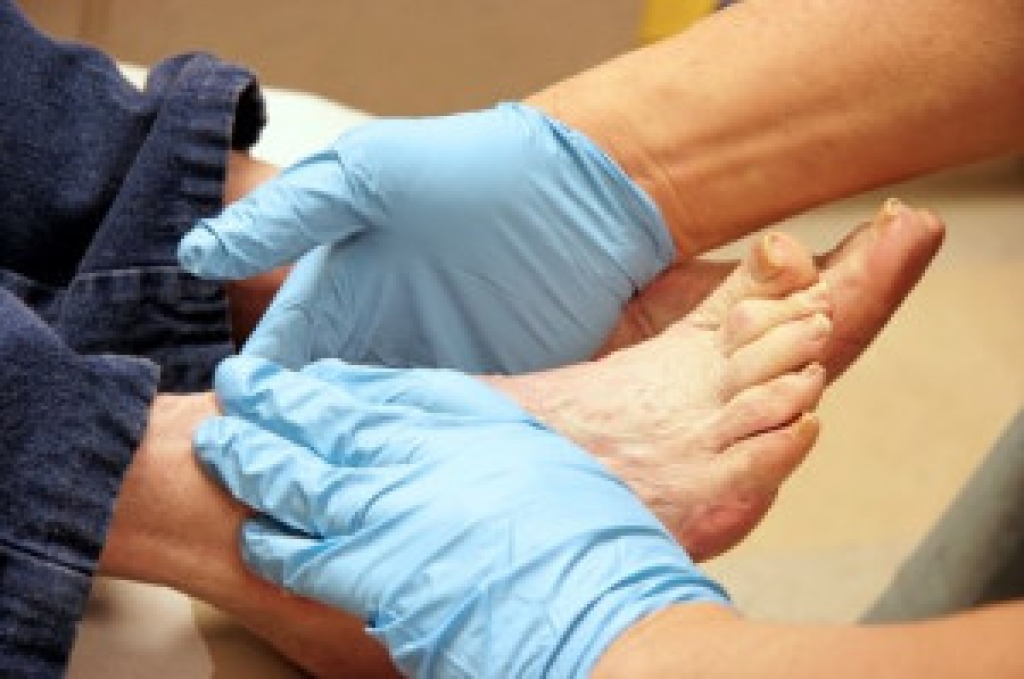
Read more about What to Do to Keep Your Child’s Feet Healthy

What Is a High Ankle Sprain?

A high ankle sprain, also known as a syndesmosis injury, can occur when the ankle is forcefully twisted upwards and away from your body during physical activity. This can happen while playing contact sports. For example, if somebody falls onto the outside of your ankle, it may force the ankle to move beyond its normal range, resulting in a high ankle sprain. A high ankle sprain differs from the more common lateral ankle sprain by its symptoms. While a lateral ankle sprain is painful, the pain from a high ankle sprain is usually more severe. It may be extremely difficult to bear weight on the ankle. However, high ankle sprains generally don’t bruise or swell as much as lateral ankle sprains. If you sustain any type of ankle sprain, it is suggested that you see a podiatrist for treatment.

Although ankle sprains are common, they aren’t always minor injuries. If you need your ankle injury looked at, contact one of our podiatrists from Foot & Ankle Associates of Maine. Our doctors can provide the care you need to keep you pain-free and on your feet.

How Does an Ankle Sprain Occur?

Ankle sprains are the result of a tear in the ligaments within the ankle. These injuries may happen when you make a rapid shifting movement while your foot is planted. A less common way to sprain your ankle is when your ankle rolls inward while your foot turns outward.

What Are the Symptoms?

  • Pain at the sight of the tear
  • Bruising/Swelling
  • Ankle area is tender to touch
  • In severe cases, may hear/feel something tear
  • Skin discoloration

Preventing a Sprain

  • Wearing appropriate shoes for the occasion
  • Stretching before exercises and sports
  • Knowing your limits

Treatment of a Sprain

In many cases, the RICE method (Rest, Ice, Compression, and Elevate) is used to treat ankle sprains. However, you should see a podiatrist to see which treatment option would work best with your injury. In severe cases, surgery may be required.

It is important to ask your doctor about rehab options after you receive treatment for your injury. Stretching, strength training, and balance exercises may help the ankle heal while also preventing further injury.

If you have any questions, please feel free to contact our office located in Brunswick, ME . We offer the newest diagnostic and treatment technologies for all your foot care needs.

Read more about Ankle Sprains

How Diabetic Patients Should Care for Their Feet

According to the CDC, about half of all diabetic patients have some form of neuropathy (nerve damage) which can ultimately lead to a loss of feeling in the feet. Due to the lack of feeling, small wounds on the feet may not be detected and can lead to diabetic foot ulcers. In severe cases, these ulcers could lead to serious complications such as amputation. While it is important for diabetic patients to be under the care of a podiatrist, there are measures that can be implemented within the home to reduce the risk of smaller problems becoming serious. Patients should perform daily checks of their feet to inspect for cuts and wounds, as well as wash and dry their feet daily, avoid being barefoot, wear socks and shoes that fit properly, and trim their toenails straight across and not too short. Diabetic patients should visit a podiatrist if they experience any of the following in their feet; a tingling sensation, a change in shape, dry or cracked skin, a loss of feeling, a change in color or temperature, and any cuts or wounds that aren’t healing. For more information please seek the counsel of a podiatrist. 

Diabetic foot care is important in preventing foot ailments such as ulcers. If you are suffering from diabetes or have any other concerns about your feet, contact one of our podiatrists from Foot & Ankle Associates of Maine. Our doctors can provide the care you need to keep you pain-free and on your feet.

Diabetic Foot Care

Diabetes affects millions of people every year. The condition can damage blood vessels in many parts of the body, especially the feet. Because of this, taking care of your feet is essential if you have diabetes, and having a podiatrist help monitor your foot health is highly recommended.

The Importance of Caring for Your Feet

  • Routinely inspect your feet for bruises or sores.
  • Wear socks that fit your feet comfortably.
  • Wear comfortable shoes that provide adequate support.

Patients with diabetes should have their doctor monitor their blood levels, as blood sugar levels play such a huge role in diabetic care. Monitoring these levels on a regular basis is highly advised.

It is always best to inform your healthcare professional of any concerns you may have regarding your feet, especially for diabetic patients. Early treatment and routine foot examinations are keys to maintaining proper health, especially because severe complications can arise if proper treatment is not applied.

If you have any questions, please feel free to contact our office located in Brunswick, ME . We offer the newest diagnostic and treatment technologies for all your foot care needs.

Read more about Diabetic Foot Care

Plantar Warts Can Be Treated!

Plantar warts are small growths that develop on parts of the feet that bear weight. They're typically found on the bottom of the foot. Don't live with plantar warts, and call us today!

Connect With Us