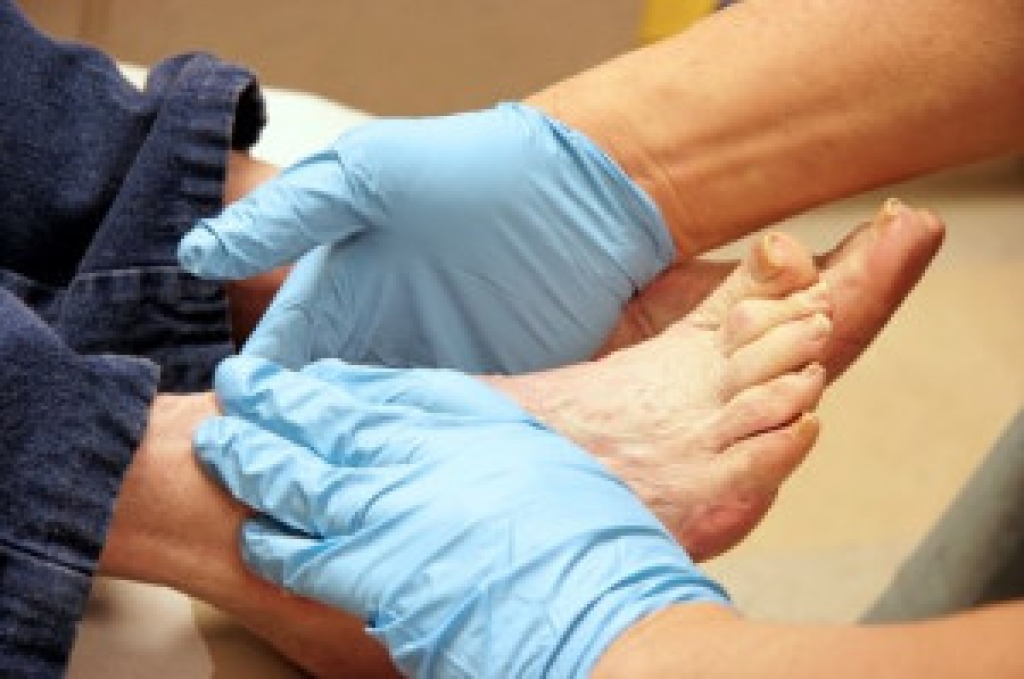
Daily Foot Care for Diabetic Patients

Diabetic patients have to be concerned about cuts and bruises that appear on the feet. Infections may rapidly occur as a result of an impaired healing response. This may be due to nerve damage that may affect diabetic patients, and it may be difficult to sense if there is an open wound on the foot. It is important for these patients to check their feet daily, and this may help them become aware of any existing cuts on the feet. This can be accomplished by washing and drying the feet thoroughly and following by applying a moisturizer on the bottom of the feet. Additionally, if the toes can be seen and easily reached, it is important to learn how to properly trim the toenails. If this becomes difficult to perform, it is advised to be under the care of a podiatrist who can trim toenails correctly and offer additional daily foot care procedures.

Diabetic foot care is important in preventing foot ailments such as ulcers. If you are suffering from diabetes or have any other concerns about your feet, contact one of our podiatrists from Foot & Ankle Associates of Maine. Our doctors can provide the care you need to keep you pain-free and on your feet.

Diabetic Foot Care

Diabetes affects millions of people every year. The condition can damage blood vessels in many parts of the body, especially the feet. Because of this, taking care of your feet is essential if you have diabetes, and having a podiatrist help monitor your foot health is highly recommended.

The Importance of Caring for Your Feet

  • Routinely inspect your feet for bruises or sores.
  • Wear socks that fit your feet comfortably.
  • Wear comfortable shoes that provide adequate support.

Patients with diabetes should have their doctor monitor their blood levels, as blood sugar levels play such a huge role in diabetic care. Monitoring these levels on a regular basis is highly advised.

It is always best to inform your healthcare professional of any concerns you may have regarding your feet, especially for diabetic patients. Early treatment and routine foot examinations are keys to maintaining proper health, especially because severe complications can arise if proper treatment is not applied.

If you have any questions, please feel free to contact our office located in Brunswick, ME . We offer the newest diagnostic and treatment technologies for all your foot care needs.

Read more about Diabetic Foot Care

Exercises That Help to Alleviate Rheumatoid Arthritis

Rheumatoid arthritis can be a very painful and debilitating condition. Symptoms of this ailment affect joint function, flexibility, range of motion and mood. Luckily, it has been shown that exercise can help to alleviate some painful symptoms and improve body functions that are impaired. Stretching is one of the easiest exercises to perform. Stretching is ideally done in the morning, so relief can start at the beginning of the day. Stretching routines differ depending on which specific joints are affected, but generally routines start with a warm up, then a 10-20 second stretch. Each stretch should be repeated 2-3 times for optimal results. Water exercises can also be helpful because the water helps to support some body weight, which takes pressure off the joints. Swimming and light exercises in a pool can help to lessen joint stress and stiffness. If you have rheumatoid arthritis and would like to learn more about ways to alleviate symptoms, then it is highly recommended you consult with a podiatrist.

Arthritis can be a difficult condition to live with. If you are seeking treatment, contact one of our podiatrists from Foot & Ankle Associates of Maine. Our doctors can provide the care you need to keep you pain-free and on your feet.

Arthritic Foot Care  

Arthritis is a joint disorder that involves the inflammation of different joints in your body, such as those in your feet. Arthritis is often caused by a degenerative joint disease and causes mild to severe pain in all affected areas. In addition to this, swelling and stiffness in the affected joints can also be a common symptom of arthritis.

In many cases, wearing ill-fitting shoes can worsen the effects and pain of arthritis. Wearing shoes that have a lower heel and extra room can help your feet feel more comfortable. In cases of rheumatoid arthritis, the arch in your foot may become problematic. Buying shoes with proper arch support that contour to your feet can help immensely.

Alleviating Arthritic Pain

  • Exercises that stretch the foot can prevent further pain and injury and increase mobility
  • Most of the pain can be alleviated with anti-inflammatory drugs, heat, and topical medications
  • Massages can help temporarily alleviate pain.

It is best to see your doctor for the treatment that is right for your needs and symptoms. Conditions vary, and a podiatrist can help you determine the right method of care for your feet.

If you have any questions please feel free to contact our office located in Brunswick, ME . We offer the newest diagnostic tools and technology to treat your foot and ankle needs.

Read more about Arthritic Foot Care

Understanding Your Foot Pain

Foot pain is a broad term that covers many different types of pain. The foot is a complex part of the body that is comprised of many bones, ligaments and muscles; therefore, pain can be felt in various parts of the feet. The degree of pain or discomfort felt can highly differ. Pain can present itself as throbbing, aching, stabbing, or mild tenderness. Understanding and learning about your foot pain is key in figuring out what the underlying issue is. Some of the most common foot conditions that cause pain are plantar fasciitis, tarsal tunnel syndrome, metatarsalgia, Morton's neuroma, and Achilles tendinitis. All of these conditions cause pain in different locations and result in different types of pain. If you are experiencing any foot pain, speak with a podiatrist who can properly diagnose and treat the ailment.

Foot Pain

Foot pain can be extremely painful and debilitating. If you have a foot pain, consult with one of our podiatrists from Foot & Ankle Associates of Maine. Our doctors will assess your condition and provide you with quality foot and ankle treatment.

Causes

Foot pain is a very broad condition that could be caused by one or more ailments. The most common include:

  • Bunions
  • Hammertoes
  • Plantar Fasciitis
  • Bone Spurs
  • Corns
  • Tarsal Tunnel Syndrome
  • Ingrown Toenails
  • Arthritis (such as Gout, Rheumatoid, and Osteoarthritis)
  • Flat Feet
  • Injury (from stress fractures, broken toe, foot, ankle, Achilles tendon ruptures, and sprains)
  • And more

Diagnosis

To figure out the cause of foot pain, podiatrists utilize several different methods. This can range from simple visual inspections and sensation tests to X-rays and MRI scans. Prior medical history, family medical history, and any recent physical traumatic events will all be taken into consideration for a proper diagnosis.

Treatment

Treatment depends upon the cause of the foot pain. Whether it is resting, staying off the foot, or having surgery; podiatrists have a number of treatment options available for foot pain.

If you have any questions, please feel free to contact our office located in Brunswick, ME . We offer the newest diagnostic and treatment technologies for all your foot care needs.

Read more about Foot Pain

How Do High Heels Affect the Feet?

Many women who enjoy wearing high heels may be unaware of the possible harm these types of shoes may do to the feet. When high heels are worn, the weight of the body may get shifted to the joint under the big toe. This may result in the formation of a bunion, which is characterized by a bony protrusion on the side of the big toe. Corns and calluses may form on the bottom of the foot and may result in metatarsalgia. This type of pain is typically felt in the ball of the foot. If you have pain in your heel and surrounding areas, it may lead to a condition that is referred to as plantar fasciitis. It may be similar to the pain and discomfort that is experienced with heel spurs, and both conditions may develop as a result of frequently wearing high heels. If you have any of these symptoms, please consult with a podiatrist who can guide you toward proper treatment.

High heels have a history of causing foot and ankle problems. If you have any concerns about your feet or ankles, contact one of our podiatrists from Foot & Ankle Associates of Maine. Our doctors can provide the care you need to keep you pain-free and on your feet.

Effects of High Heels on the Feet

High heels are popular shoes among women because of their many styles and societal appeal.  Despite this, high heels can still cause many health problems if worn too frequently.

Which Parts of My Body Will Be Affected by High Heels?

  • Ankle Joints
  • Achilles Tendon – May shorten and stiffen with prolonged wear
  • Balls of the Feet
  • Knees – Heels cause the knees to bend constantly, creating stress on them
  • Back – They decrease the spine’s ability to absorb shock, which may lead to back pain.  The vertebrae of the lower back may compress.

What Kinds of Foot Problems Can Develop from Wearing High Heels?

  • Corns
  • Calluses
  • Hammertoe
  • Bunions
  • Morton’s Neuroma
  • Plantar Fasciitis

How Can I Still Wear High Heels and Maintain Foot Health?

If you want to wear high heeled shoes, make sure that you are not wearing them every day, as this will help prevent long term physical problems.  Try wearing thicker heels as opposed to stilettos to distribute weight more evenly across the feet.  Always make sure you are wearing the proper shoes for the right occasion, such as sneakers for exercising.  If you walk to work, try carrying your heels with you and changing into them once you arrive at work.  Adding inserts to your heels can help cushion your feet and absorb shock. Full foot inserts or metatarsal pads are available. 

If you have any questions, please feel free to contact our office located in Brunswick, ME . We offer the newest diagnostic and treatment technologies for all your foot care needs.
Read more about Why High Heels Are Not Ideal for Healthy Feet

Daily Foot Care Is Essential for Diabetic Patients

Research has shown the importance of taking care of your feet, and this is especially true if you are a diabetic patient. Many diabetic people have neuropathy, and this may cause a lack of feeling in the feet. Small cuts or bruises may go unnoticed as a result of this condition and may take longer to heal. Foot ulcers may affect up to twenty-five percent of diabetic patients, and it is important to properly take care of your feet. This can be accomplished by checking the feet daily, which may help you to notice any blisters, ingrown toenails, cuts or swelling that may exist. Additionally, the feet should be washed in lukewarm water on a daily basis, gently dried, and followed by using a good moisturizer. This may help to keep the skin soft, which may prevent dry skin. Wearing shoes that fit properly will help the overall health of the feet and choosing seamless socks may aid in preventing cuts in the skin. If you have diabetes, it is strongly suggested that you should seek the counsel of a podiatrist who can properly guide you in learning how to take care of diabetic feet.

Diabetic foot care is important in preventing foot ailments such as ulcers. If you are suffering from diabetes or have any other concerns about your feet, contact one of our podiatrists from Foot & Ankle Associates of Maine. Our doctors can provide the care you need to keep you pain-free and on your feet.

Diabetic Foot Care

Diabetes affects millions of people every year. The condition can damage blood vessels in many parts of the body, especially the feet. Because of this, taking care of your feet is essential if you have diabetes, and having a podiatrist help monitor your foot health is highly recommended.

The Importance of Caring for Your Feet

  • Routinely inspect your feet for bruises or sores.
  • Wear socks that fit your feet comfortably.
  • Wear comfortable shoes that provide adequate support.

Patients with diabetes should have their doctor monitor their blood levels, as blood sugar levels play such a huge role in diabetic care. Monitoring these levels on a regular basis is highly advised.

It is always best to inform your healthcare professional of any concerns you may have regarding your feet, especially for diabetic patients. Early treatment and routine foot examinations are keys to maintaining proper health, especially because severe complications can arise if proper treatment is not applied.

If you have any questions, please feel free to contact our office located in Brunswick, ME . We offer the newest diagnostic and treatment technologies for all your foot care needs.
Read more about Diabetic Foot Care

Identifying What Your Heel Pain Means

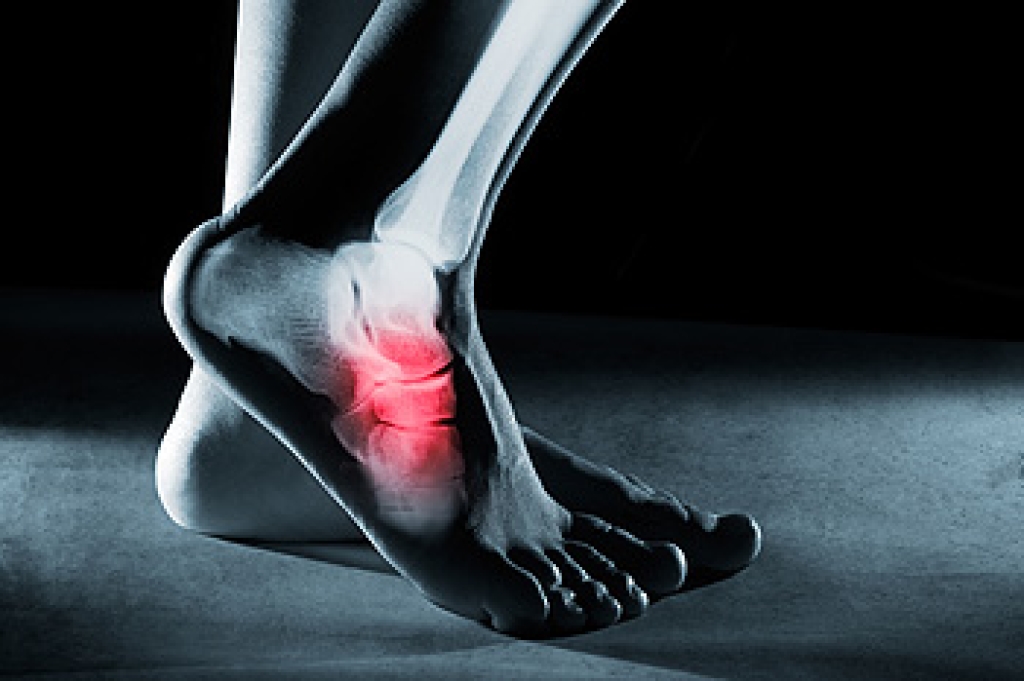
Heel pain is usually felt under the heel or behind it. There are various conditions that can cause heel pain, and the location of the pain is indicative of what the specific condition could be. One common cause of heel pain is plantar fasciitis, which is inflammation of the plantar fascia-tissue that runs from the heel bone to the ball of the foot. Plantar fasciitis is usually caused by either high or low arches. Sever’s disease only affects children, usually between the ages of 7 and 15 years old, and is caused by overuse of the growth plates in the heel bone. This condition typically affects children that play sports because of the repetitive impact that the foot endures. These are just two of the many possible conditions that cause heel pain. If you have regular heel pain, it is strongly recommended you speak with a podiatrist to learn about the condition and receive the proper treatment.

Many people suffer from bouts of heel pain. For more information, contact one of our podiatrists of Foot & Ankle Associates of Maine. Our doctors can provide the care you need to keep you pain-free and on your feet.

Causes of Heel Pain

Heel pain is often associated with plantar fasciitis. The plantar fascia is a band of tissues that extends along the bottom of the foot. A rip or tear in this ligament can cause inflammation of the tissue.

Achilles tendonitis is another cause of heel pain. Inflammation of the Achilles tendon will cause pain from fractures and muscle tearing. Lack of flexibility is also another symptom.

Heel spurs are another cause of pain. When the tissues of the plantar fascia undergo a great deal of stress, it can lead to ligament separation from the heel bone, causing heel spurs.

Why Might Heel Pain Occur?

  • Wearing ill-fitting shoes                
  • Wearing non-supportive shoes
  • Weight change           
  • Excessive running

Treatments

Heel pain should be treated as soon as possible for immediate results. Keeping your feet in a stress-free environment will help. If you suffer from Achilles tendonitis or plantar fasciitis, applying ice will reduce the swelling. Stretching before an exercise like running will help the muscles. Using all these tips will help make heel pain a condition of the past.

If you have any questions, please feel free to contact our office located in Brunswick, ME . We offer the newest diagnostic and treatment technologies for all your foot care needs.
Read more about Heel Pain

Spotting Cuboid Syndrome

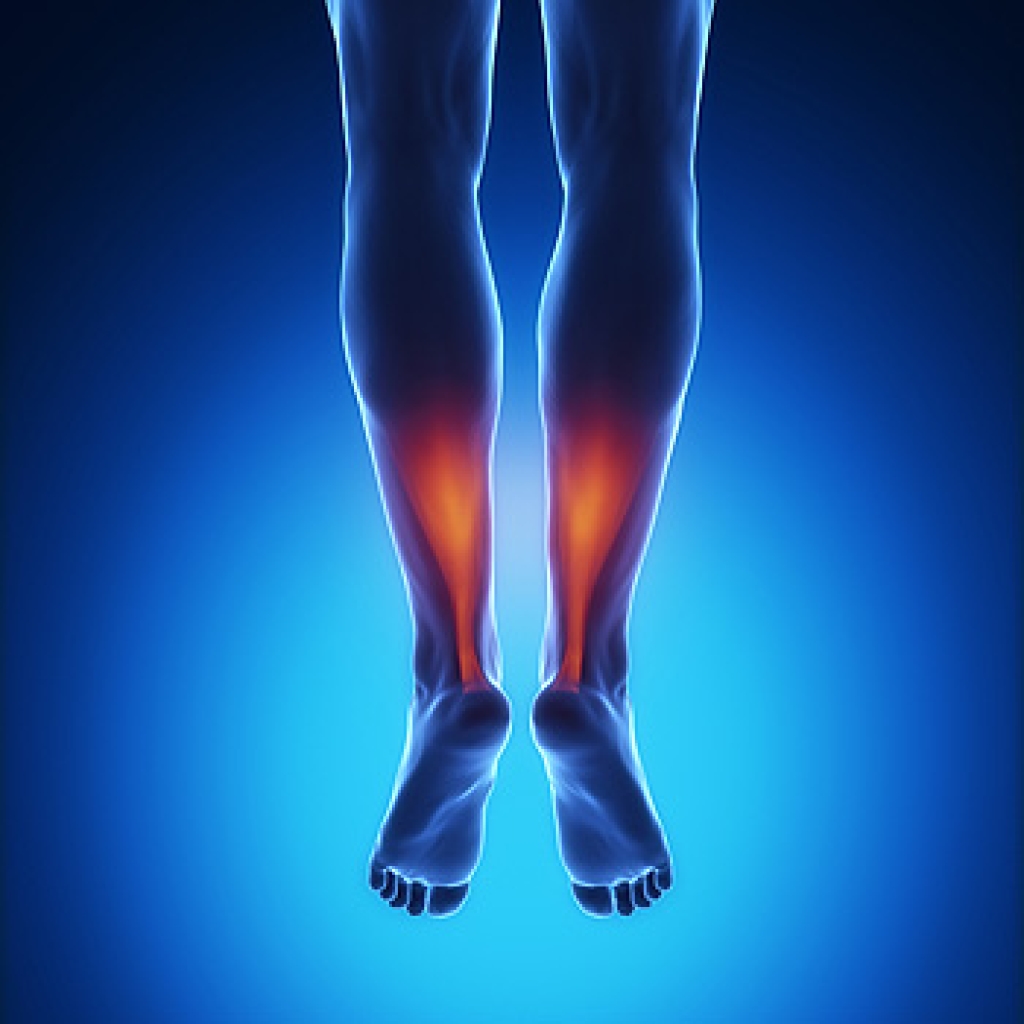
Cuboid syndrome is caused by partial dislocation of bones in the middle of the foot. Someone with cuboid syndrome usually feels pain around the middle of the foot or at the base of their toes. There are some symptoms of this condition that, when coupled together, can help to identify cuboid syndrome. Pain on the lateral side of the foot or the side of the little toe is an initial indicator. Pain also tends to worsen when weight is placed on the foot, so activities like walking or jumping may trigger discomfort. It is also possible for the foot to swell and for there to be a reduced range of motion in the foot or ankle. If you suffer from any of these symptoms and think you might have cuboid syndrome, it is highly recommended that you speak with a podiatrist to begin treatment.

Cuboid syndrome, also known as cuboid subluxation, occurs when the joints and ligaments near the cuboid bone in the foot become torn. If you have cuboid syndrome, consult with one of our podiatrists from Foot & Ankle Associates of Maine. Our doctors will assess your condition and provide you with quality foot and ankle treatment.

Cuboid syndrome is a common cause of lateral foot pain, which is pain on the outside of the foot. The condition may happen suddenly due to an ankle sprain, or it may develop slowly overtime from repetitive tension through the bone and surrounding structures.

Causes

The most common causes of cuboid syndrome include:

  • Injury – The most common cause of this ailment is an ankle sprain.
  • Repetitive Strain – Tension placed through the peroneus longus muscle from repetitive activities such as jumping and running may cause excessive traction on the bone causing it to sublux.
  • Altered Foot Biomechanics – Most people suffering from cuboid subluxation have flat feet.

Symptoms

A common symptom of cuboid syndrome is pain along the outside of the foot which can be felt in the ankle and toes. This pain may create walking difficulties and may cause those with the condition to walk with a limp.

Diagnosis

Diagnosis of cuboid syndrome is often difficult, and it is often misdiagnosed. X-rays, MRIs and CT scans often fail to properly show the cuboid subluxation. Although there isn’t a specific test used to diagnose cuboid syndrome, your podiatrist will usually check if pain is felt while pressing firmly on the cuboid bone of your foot.

Treatment

Just as the range of causes varies widely, so do treatments. Some more common treatments are ice therapy, rest, exercise, taping, and orthotics.

If you have any questions, please feel free to contact our office located in Brunswick, ME . We offer the newest diagnostic and treatment technologies for all your foot care needs.
Read more about Cuboid Syndrome

All About Achilles Tendon Injuries

The fibrous band of tissue that links the muscles in your calf to your heel is called the Achilles tendon. This tendon is important for many physical activities, including jumping, running, and walking. Since it is used so frequently, the Achilles tendon undergoes a lot of stress, and too much stress can lead to injury. If the tendon becomes inflamed, swollen, or irritated, then tendonitis is occurring. Tendonitis can cause pain in the back of the leg and around the heel. The tendon can also thicken and harden; if these symptoms are occurring, then it is important to treat it before it gets worse. Complications can arise if this condition is not treated, such as severe pain, difficulty walking, deformation in either the tendon area or heel bone, and tendon rupture. If you think you may have tendonitis, it is recommended to consult with a podiatrist about treatment.

Achilles tendon injuries need immediate attention to avoid future complications. If you have any concerns, contact one of our podiatrists of Foot & Ankle Associates of Maine. Our doctors can provide the care you need to keep you pain-free and on your feet.

What Is the Achilles Tendon?

The Achilles tendon is a tendon that connects the lower leg muscles and calf to the heel of the foot. It is the strongest tendon in the human body and is essential for making movement possible. Because this tendon is such an integral part of the body, any injuries to it can create immense difficulties and should immediately be presented to a doctor.

What Are the Symptoms of an Achilles Tendon Injury?

There are various types of injuries that can affect the Achilles tendon. The two most common injuries are Achilles tendinitis and ruptures of the tendon.

Achilles Tendinitis Symptoms

  • Inflammation
  • Dull to severe pain
  • Increased blood flow to the tendon
  • Thickening of the tendon

Rupture Symptoms

  • Extreme pain and swelling in the foot
  • Total immobility

Treatment and Prevention

Achilles tendon injuries are diagnosed by a thorough physical evaluation, which can include an MRI. Treatment involves rest, physical therapy, and in some cases, surgery. However, various preventative measures can be taken to avoid these injuries, such as:

  • Thorough stretching of the tendon before and after exercise
  • Strengthening exercises like calf raises, squats, leg curls, leg extensions, leg raises, lunges, and leg presses

If you have any questions please feel free to contact our office located in Brunswick, ME . We offer the newest diagnostic tools and technology to treat your foot and ankle needs.

Read more about What are Achilles Tendon Injuries

What Causes Flat Feet

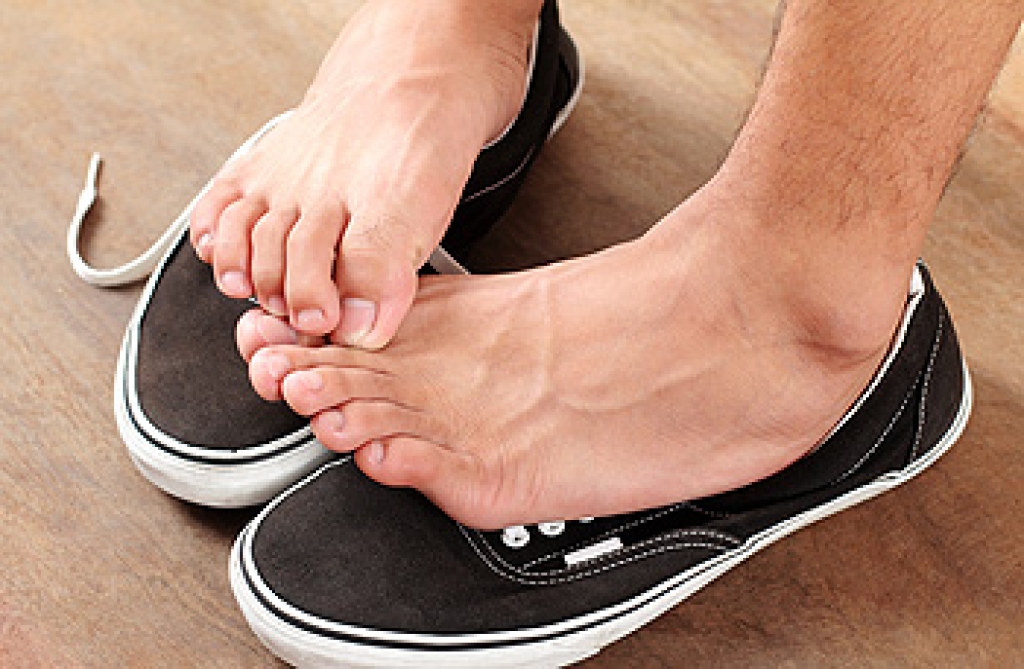
Flat feet, also known as fallen arches, is a condition that occurs when the arch of the foot is lower than usual. Normally, the foot has an arch in the middle, so the heel and ball of the foot are primarily what touches the ground. For those with flat feet, the arch may have never fully developed, or over time might have flattened downward. Children’s feet develop differently, and some children never develop an arch. This is nothing to be too concerned about and usually results in little to no complications. On the other end of the spectrum, some flat feet develop over time as a result of wear and tear. Adults who have injured their foot or ankle, have rheumatoid arthritis, have diabetes, or are obese are at a higher risk for their arch to drop. While this condition usually does not cause serious health issues, if you think you have flat feet or may be developing it, then it is recommended you speak with a podiatrist to gain further knowledge.

Flatfoot is a condition many people suffer from. If you have flat feet, contact one of our podiatrists from Foot & Ankle Associates of Maine. Our doctors will treat your foot and ankle needs.

What Are Flat Feet?

Flatfoot is a condition in which the arch of the foot is depressed and the sole of the foot is almost completely in contact with the ground. About 20-30% of the population generally has flat feet because their arches never formed during growth.

Conditions & Problems:

Having flat feet makes it difficult to run or walk because of the stress placed on the ankles.

Alignment – The general alignment of your legs can be disrupted, because the ankles move inward which can cause major discomfort.

Knees – If you have complications with your knees, flat feet can be a contributor to arthritis in that area.  

Symptoms

  • Pain around the heel or arch area
  • Trouble standing on the tip toe
  • Swelling around the inside of the ankle
  • Flat look to one or both feet
  • Having your shoes feel uneven when worn

Treatment

If you are experiencing pain and stress on the foot you may weaken the posterior tibial tendon, which runs around the inside of the ankle. 

If you have any questions, please feel free to contact our office located in Brunswick, ME . We offer the newest diagnostic and treatment technologies for all your foot care needs.
Read more about Flat Feet

Painful Joints May Be Indicative of Rheumatoid Arthritis

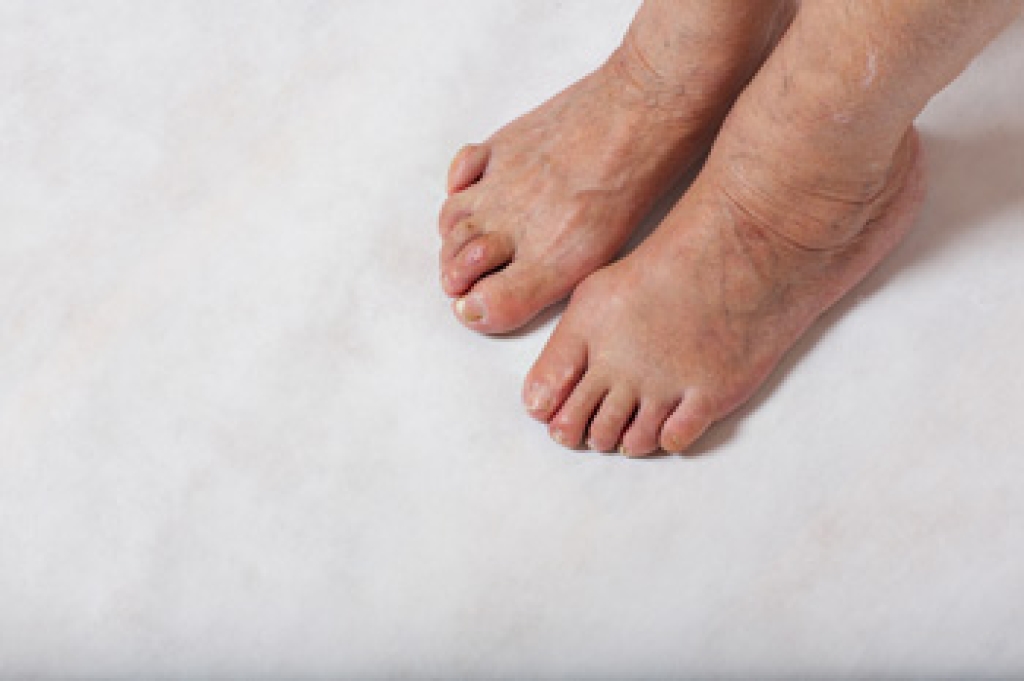
There are many patients who are afflicted with rheumatoid arthritis who may experience discomfort in the big toe, in addition to painful ankles and joints. This may result in difficulty in walking, which may hinder completing daily activities. There are specific conditions that may develop if rheumatoid arthritis is present, and these include the formation of bunions, hammertoe, or plantar fasciitis. Additionally, it may be beneficial to wear shoes that fit properly which have adequate room for the toes to move about in. This may put less pressure on the joints in the toes, and a moderate level of relief may be attained. Research has indicated there may be measures that can be implemented to reduce a portion of the pain and discomfort that is associated with this condition, and these include maintaining a healthy body weight, avoiding standing for the majority of the day, and engaging in a massage or warm foot bath. If you have symptoms of rheumatoid arthritis, it is strongly advised to speak to a podiatrist who can properly guide you toward proper treatment.

Because RA affects more than just your joints, including the joints in your feet and ankles, it is important to seek early diagnosis from your podiatrist if you feel like the pain in your feet might be caused by RA. For more information, contact one of our podiatrists of Foot & Ankle Associates of Maine. Our doctors will assist you with all of your podiatric concerns.

What Is Rheumatoid Arthritis?

Rheumatoid Arthritis (RA) is an autoimmune disorder in which the body’s own immune system attacks the membranes surrounding the joints. Inflammation of the lining and eventually the destruction of the joint’s cartilage and bone occur, causing severe pain and immobility.

Rheumatoid Arthritis of the Feet

Although RA usually attacks multiple bones and joints throughout the entire body, almost 90 percent of cases result in pain in the foot or ankle area.

Symptoms

  • Swelling and pain in the feet
  • Stiffness in the feet
  • Pain on the ball or sole of feet
  • Joint shift and deformation

Diagnosis

Quick diagnosis of RA in the feet is important so that the podiatrist can treat the area effectively. Your doctor will ask you about your medical history, occupation, and lifestyle to determine the origin of the condition. Rheumatoid Factor tests help to determine if someone is affected by the disease.

If you have any questions, please feel free to contact our office located in Brunswick, ME . We offer the newest diagnostic and treatment technologies for all your foot care needs.
Read more about Rheumatoid Arthritis in the Feet

Connect With Us