What Causes Flat Feet

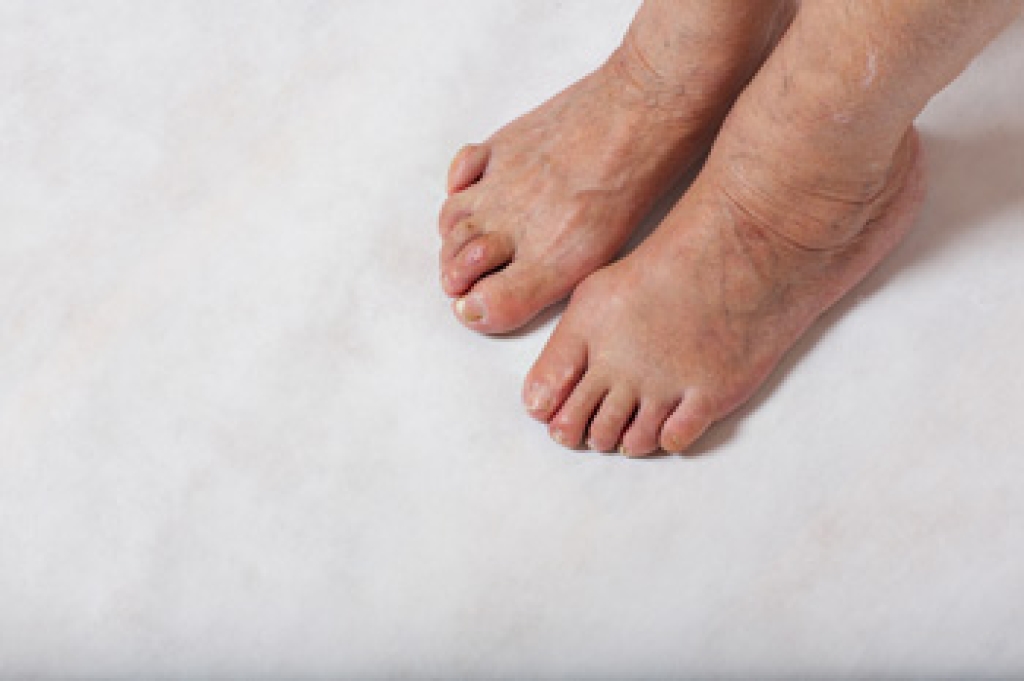
Flat feet, also known as fallen arches, is a condition that occurs when the arch of the foot is lower than usual. Normally, the foot has an arch in the middle, so the heel and ball of the foot are primarily what touches the ground. For those with flat feet, the arch may have never fully developed, or over time might have flattened downward. Children’s feet develop differently, and some children never develop an arch. This is nothing to be too concerned about and usually results in little to no complications. On the other end of the spectrum, some flat feet develop over time as a result of wear and tear. Adults who have injured their foot or ankle, have rheumatoid arthritis, have diabetes, or are obese are at a higher risk for their arch to drop. While this condition usually does not cause serious health issues, if you think you have flat feet or may be developing it, then it is recommended you speak with a podiatrist to gain further knowledge.

Flatfoot is a condition many people suffer from. If you have flat feet, contact one of our podiatrists from Foot & Ankle Associates of Maine. Our doctors will treat your foot and ankle needs.

What Are Flat Feet?

Flatfoot is a condition in which the arch of the foot is depressed and the sole of the foot is almost completely in contact with the ground. About 20-30% of the population generally has flat feet because their arches never formed during growth.

Conditions & Problems:

Having flat feet makes it difficult to run or walk because of the stress placed on the ankles.

Alignment – The general alignment of your legs can be disrupted, because the ankles move inward which can cause major discomfort.

Knees – If you have complications with your knees, flat feet can be a contributor to arthritis in that area.  

Symptoms

  • Pain around the heel or arch area
  • Trouble standing on the tip toe
  • Swelling around the inside of the ankle
  • Flat look to one or both feet
  • Having your shoes feel uneven when worn

Treatment

If you are experiencing pain and stress on the foot you may weaken the posterior tibial tendon, which runs around the inside of the ankle. 

If you have any questions, please feel free to contact our office located in Brunswick, ME . We offer the newest diagnostic and treatment technologies for all your foot care needs.
Read more about Flat Feet

Painful Joints May Be Indicative of Rheumatoid Arthritis

There are many patients who are afflicted with rheumatoid arthritis who may experience discomfort in the big toe, in addition to painful ankles and joints. This may result in difficulty in walking, which may hinder completing daily activities. There are specific conditions that may develop if rheumatoid arthritis is present, and these include the formation of bunions, hammertoe, or plantar fasciitis. Additionally, it may be beneficial to wear shoes that fit properly which have adequate room for the toes to move about in. This may put less pressure on the joints in the toes, and a moderate level of relief may be attained. Research has indicated there may be measures that can be implemented to reduce a portion of the pain and discomfort that is associated with this condition, and these include maintaining a healthy body weight, avoiding standing for the majority of the day, and engaging in a massage or warm foot bath. If you have symptoms of rheumatoid arthritis, it is strongly advised to speak to a podiatrist who can properly guide you toward proper treatment.

Because RA affects more than just your joints, including the joints in your feet and ankles, it is important to seek early diagnosis from your podiatrist if you feel like the pain in your feet might be caused by RA. For more information, contact one of our podiatrists of Foot & Ankle Associates of Maine. Our doctors will assist you with all of your podiatric concerns.

What Is Rheumatoid Arthritis?

Rheumatoid Arthritis (RA) is an autoimmune disorder in which the body’s own immune system attacks the membranes surrounding the joints. Inflammation of the lining and eventually the destruction of the joint’s cartilage and bone occur, causing severe pain and immobility.

Rheumatoid Arthritis of the Feet

Although RA usually attacks multiple bones and joints throughout the entire body, almost 90 percent of cases result in pain in the foot or ankle area.

Symptoms

  • Swelling and pain in the feet
  • Stiffness in the feet
  • Pain on the ball or sole of feet
  • Joint shift and deformation

Diagnosis

Quick diagnosis of RA in the feet is important so that the podiatrist can treat the area effectively. Your doctor will ask you about your medical history, occupation, and lifestyle to determine the origin of the condition. Rheumatoid Factor tests help to determine if someone is affected by the disease.

If you have any questions, please feel free to contact our office located in Brunswick, ME . We offer the newest diagnostic and treatment technologies for all your foot care needs.
Read more about Rheumatoid Arthritis in the Feet

Rheumatoid Arthritis in the Ankles

Rheumatoid arthritis usually affects small joints first, but it can move to larger joints, such as ankles. If this condition spreads to the ankles, then it can hinder one’s ability to walk, and cause extreme discomfort. Symptoms of rheumatoid arthritis usually come in flares that can last anywhere from a couple days to a couple weeks. These symptoms include inflammation and stiffness in the joints of the ankle. If this goes untreated, then this condition has the potential to permanently change the structure of the ankle joints. Rheumatoid arthritis also breaks down cartilage in the ankle that protects the bones from rubbing together, so this may create friction that will cause further weakness and instability. Oftentimes, people with rheumatoid arthritis in the ankles also experience symptoms in their feet. If you feel that you may have rheumatoid arthritis in either your feet or ankles, then it is strongly recommended that you consult with a podiatrist to receive treatment.

Ankle pain can be caused by a number of problems and may be potentially serious. If you have ankle pain, consult with one of our podiatrists from Foot & Ankle Associates of Maine. Our doctors will assess your condition and provide you with quality foot and ankle treatment.

Ankle pain is any condition that causes pain in the ankle. Due to the fact that the ankle consists of tendons, muscles, bones, and ligaments, ankle pain can come from a number of different conditions.

Causes

The most common causes of ankle pain include:

  • Types of arthritis (rheumatoid, osteoarthritis, and gout)
  • Ankle sprains
  • Broken ankles
  • Achilles tendonitis
  • Achilles tendon rupture
  • Stress fractures
  • Bursitis
  • Tarsal tunnel syndrome
  • Plantar fasciitis

Symptoms

Symptoms of ankle injury vary based upon the condition. Pain may include general pain and discomfort, swelling, aching, redness, bruising, burning or stabbing sensations, and/or loss of sensation.

Diagnosis

Due to the wide variety of potential causes of ankle pain, podiatrists will utilize a number of different methods to properly diagnose ankle pain. This can include asking for personal and family medical histories and of any recent injuries. Further diagnosis may include sensation tests, a physical examination, and potentially x-rays or other imaging tests.

Treatment

Just as the range of causes varies widely, so do treatments. Some more common treatments are rest, ice packs, keeping pressure off the foot, orthotics and braces, medication for inflammation and pain, and surgery.

If you have any questions please feel free to contact our office located in Brunswick, ME . We offer the newest diagnostic tools and technology to treat your foot and ankle needs.

Read more about Ankle Pain

Treating Fungal Nails with Laser Treatment

Fungal nail infection (onychomycosis) is one of the most common nail disorders among adults. It is a mycotic infection that occurs underneath the nail plate. The nail can become deformed, lifted, brittle, and discolored. These symptoms may lead to acute pain in the toenail area. There are various types of fungal nail infections and various types of treatments. One form of treatment is laser therapy, which also consists of varying methods. Photodynamic therapy uses light irradiation and a photosensitizing drug to find specific cells and destroy them. Other laser therapies that involve neodymium yttrium-aluminum-garnet or low-level lasers aim to selectively hinder fungal growth. Laser therapies are selective to the localized infection, which decreases the chance of systemic side effects. If you are interested in laser treatment for a fungal infection, consult with a podiatrist for further guidance.

Laser treatment can be an effective way to get rid of toenail fungus. If you have any questions about laser treatment, consult with one of our podiatrists from Foot & Ankle Associates of Maine. Our doctors will assess your condition and provide you with quality treatment for fungal nails.

What Are Toenail Fungal Infections?

Onychomycosis, or fungal infection of the nail, is a relatively common and non-serious condition. Around 10 percent of U.S. citizens are afflicted with fungal nails. Common forms of fungus that infect the nail include dermatophytes, yeasts, and molds.

Symptoms of Toenail Fungal Infections Include:

  • Nail thickening
  • Brittleness of the nail
  • Discoloration of the nail

Diagnosis for Fungal Nails

Fungal infections are diagnosed by fungal culture and microscopy. This will rule out any other conditions such as nail trauma, psoriasis, lichen planus, and onychogryphosis.

What Is Laser Treatment?

Laser treatment is a non-invasive, safe, quick, and painless procedure that uses the heat from a laser to kill fungus in the nail. Each infected nail is targeted with a laser for several minutes. The treatment is usually utilized several different times over a select period. During this time, a podiatrist will keep an eye on the infection.

If you have any questions, please feel free to contact our office located in Brunswick, ME . We offer the newest diagnostic and treatment technologies for all your foot care needs.

Read more about Laser Treatment for Fungal Nails

Where Are the Sesamoid Bones Located?

The structure of the foot consists of 26 bones. Two of these bones are referred to as the sesamoid bones, and their location is under the joint of the bottom of the big toe. The condition known as sesamoiditis occurs if these bones should become inflamed and irritated, which may be caused by an injury. Many patients have noticed symptoms that may include pain while standing, or severe discomfort if the toe is pulled in an upward motion. A proper diagnosis is generally necessary in confirming this condition, and this may consist of having an X-ray or MRI performed. There are several forms of effective treatment, including wearing shoes that offer additional cushioning, resting the foot, or using custom orthotics. These methods may provide a portion of the desired relief, and it is suggested to consult with a podiatrist for additional treatment options.

Sesamoiditis is an unpleasant foot condition characterized by pain in the balls of the feet. If you think you’re struggling with sesamoiditis, contact one of our podiatrists of Foot & Ankle Associates of Maine. Our doctors will treat your condition thoroughly and effectively.

Sesamoiditis

Sesamoiditis is a condition of the foot that affects the ball of the foot. It is more common in younger people than it is in older people. It can also occur with people who have begun a new exercise program, since their bodies are adjusting to the new physical regimen. Pain may also be caused by the inflammation of tendons surrounding the bones. It is important to seek treatment in its early stages because if you ignore the pain, this condition can lead to more serious problems such as severe irritation and bone fractures.

Causes of Sesamoiditis

  • Sudden increase in activity
  • Increase in physically strenuous movement without a proper warm up or build up
  • Foot structure: those who have smaller, bonier feet or those with a high arch may be more susceptible

Treatment for sesamoiditis is non-invasive and simple. Doctors may recommend a strict rest period where the patient forgoes most physical activity. This will help give the patient time to heal their feet through limited activity. For serious cases, it is best to speak with your doctor to determine a treatment option that will help your specific needs.

If you have any questions, please feel free to contact our office located in Brunswick, ME . We offer the newest diagnostic and treatment technologies for all your foot care needs.
Read more about Sesamoiditis

The Benefits of Shockwave Therapy

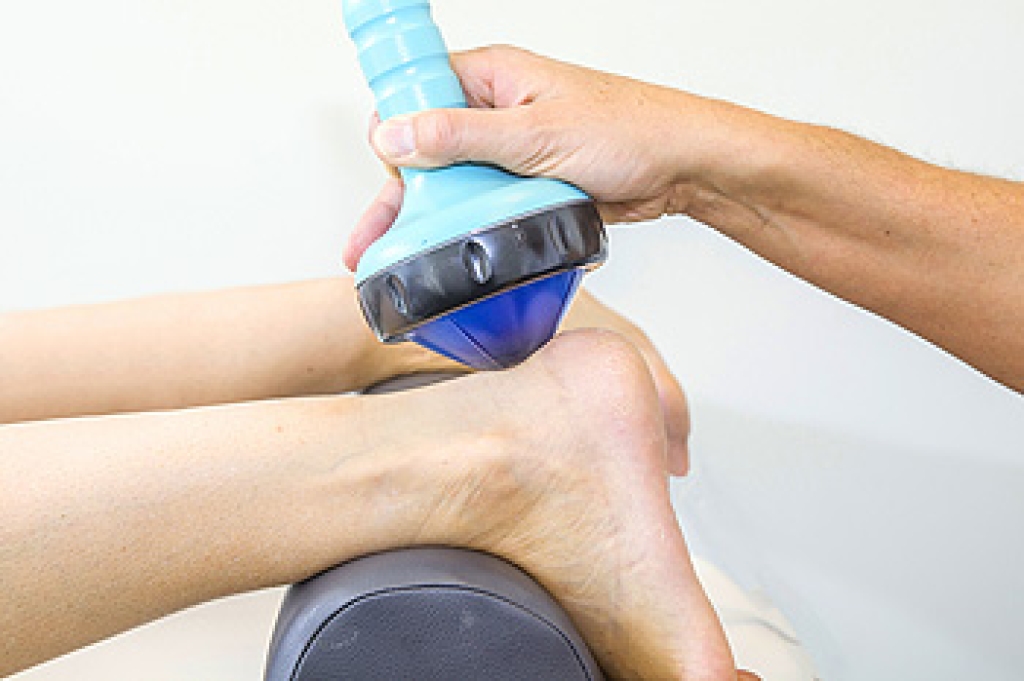
The benefits of using a method that is referred to as shockwave therapy may be experienced as accelerated pain relief and ease in mobility. It is defined as an acoustic energy wave that may provide relief to patients who have chronic foot conditions. It is administered through an applicator that consists of compressed air and is injected into the affected area. It may be effective in improving blood flow to the damaged tissue, in addition to stimulating the formation of new blood vessels. It has been known to reverse chronic inflammation, and this may bring moderate desired relief. If you would like additional information about shockwave therapy, please consult with a podiatrist to see if this type of treatment is correct for you.

Shockwave therapy is a treatment commonly used to treat various injuries and conditions, particularly plantar fasciitis in the feet. To learn more, consult with one of our podiatrists from Foot & Ankle Associates of Maine. Our doctors can provide the care you need to keep you pain-free and on your feet.

Shockwave Therapy

Shockwave therapy is a new treatment option designed to treat bone conditions such as tennis elbow, shoulder pain, and others. Shockwave therapy uses high intensity sound waves that are directed to the affected tissues of the body with pinpoint accuracy. The effects are very beneficial, leading to a production of collagen fibers, eliminating inflammation.

Who Benefits from Shockwave?

Shockwave is recommended for patients suffering from heel pain and associated problems. Heel pain is a common condition which can be caused by obesity, overexertion, and spending a substantial amount of time on hard floors with your feet exposed and unsupported.

Fast and Easy

The therapy is actually a simple process that can leave patients feeling better the very next day. Shockwave therapy is not as dramatic as it sounds. It enables more blood flow to effected areas, addressing the source of the problem and allowing treatment to last for a long time.

Treatment & Recovery Time

Shockwave treatment will enable your feet to recover quickly. This is especially important since surgery is not required. It is cost effective and does not require the use of anesthesia. This treatment is a better option to surgery, since it is proven safe.

If you have any questions, please feel free to contact our office located in Brunswick, ME . We offer the newest diagnostic and treatment technologies for all your foot care needs.

Read more about Treating Heel Pain with Shockwave Therapy

How to Manage Elderly Feet

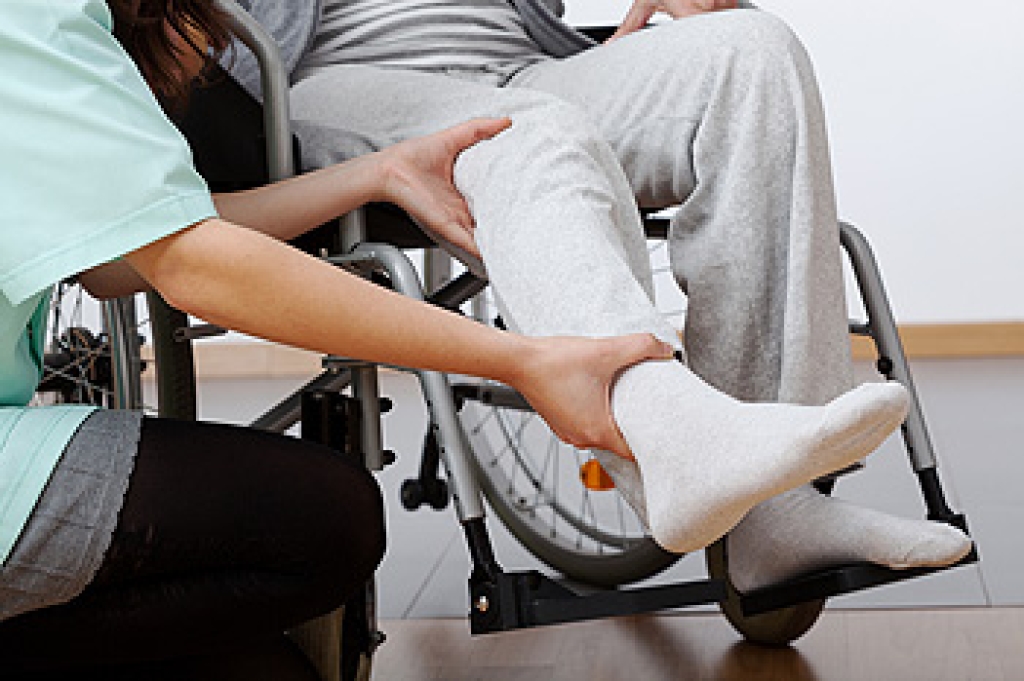
Research has shown that it may be common for elderly people to develop uncomfortable foot conditions as the aging process occurs. It’s important to take proper care of your feet at any age, and this is especially true of the elder population. There are several methods to keep the feet healthy, and these may include incorporating gentle foot exercises and walking for short periods of time into your daily activities. This may aid in keeping the muscles in the feet strong, which can help in maintaining the balance that is necessary to prevent falling. There are several daily routines that can be implemented to keep the feet healthy, and these may include observing your feet daily, which may help in noticing any cuts or bruises, washing your feet every day, in addition to wearing shoes and socks that fit correctly. If you would like additional information about the importance of taking care of elderly feet, please consult with a podiatrist for proper guidance.

Proper foot care is something many older adults forget to consider. If you have any concerns about your feet and ankles, contact one of our podiatrists from Foot & Ankle Associates of Maine. Our doctors can provide the care you need to keep you pain-free and on your feet.

The Elderly and Their Feet

As we age we start to notice many changes in our body, but the elder population may not notice them right away. Medical conditions may prevent the elderly to take notice of their foot health right away. Poor vision is a lead contributor to not taking action for the elderly.

Common Conditions 

  • Neuropathy – can reduce feeling in the feet and can hide many life-threatening medical conditions.
  • Reduced flexibility – prevents the ability of proper toenail trimming, and foot cleaning. If left untreated, it may lead to further medical issues.
  • Foot sores – amongst the older population can be serious before they are discovered. Some of the problematic conditions they may face are:
  • Gouging toenails affecting nearby toe
  • Shoes that don’t fit properly
  • Pressure sores
  • Loss of circulation in legs & feet
  • Edema & swelling of feet and ankles

Susceptible Infections

Diabetes and poor circulation can cause general loss of sensitivity over the years, turning a simple cut into a serious issue.

If you have any questions, please feel free to contact our office located in Brunswick, ME . We offer the newest diagnostic and treatment technologies for all your foot care needs.
Read more about Taking Care of Elderly Feet

Contagious Athlete’s Foot

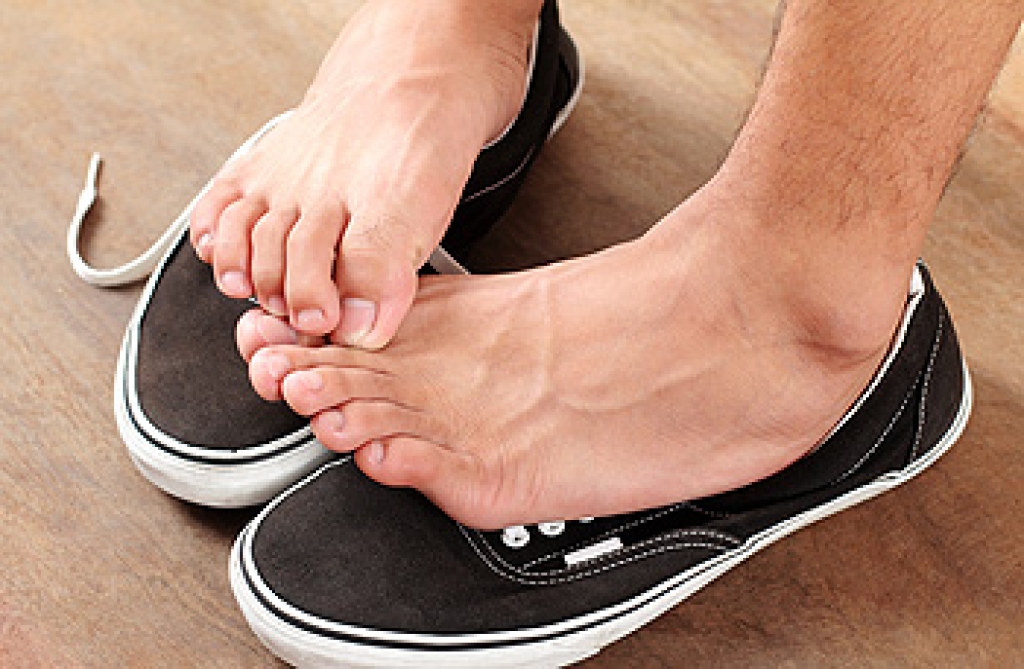
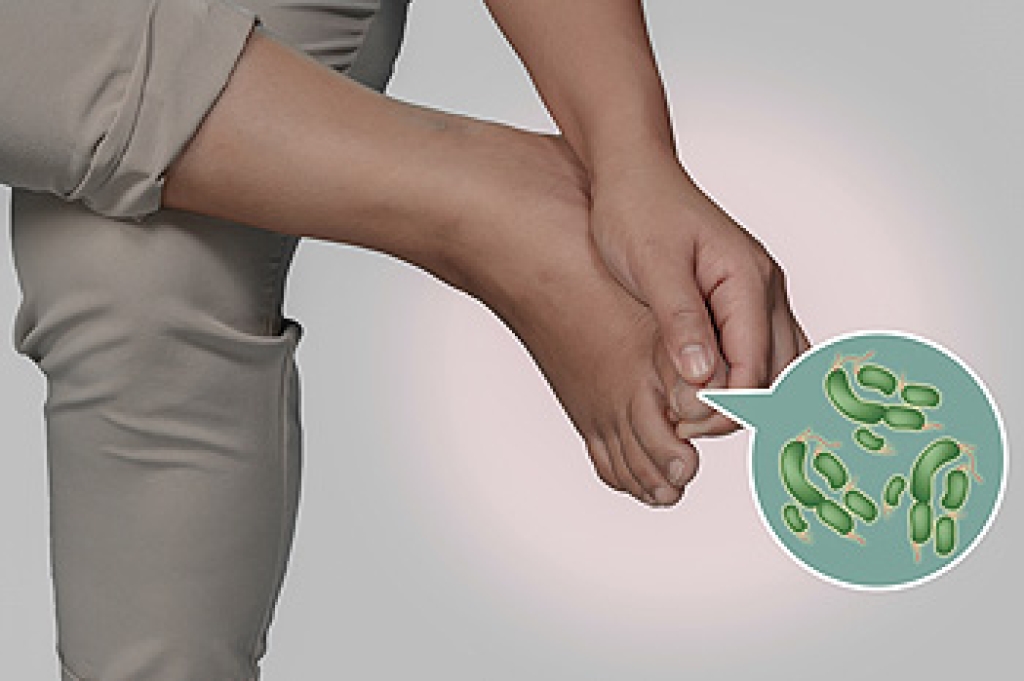
The obvious symptoms that are associated with athlete’s foot is mild to severe itching, especially between the toes. This uncomfortable condition is caused by a fungus that is known as trichophyton, and thrives in warm and moist areas, which may include the inside of shoes or socks. Additionally, this contagious fungus may live in public pools, locker rooms and surrounding areas, and it is suggested to wear appropriate shoes if you are in these places. Patients who have severe cases of athlete's’ foot may experience red, flaky, and cracked skin on the side and soles of the feet, and in extreme cases, blisters and swelling may develop. If you have become afflicted with these symptoms, it is suggested to seek the counsel of a podiatrist who can perform a correct diagnosis and proper treatment options can be discussed.

Athlete’s foot is an inconvenient condition that can be easily reduced with the proper treatment. If you have any concerns about your feet and ankles, contact one of our podiatrists from Foot & Ankle Associates of Maine.  Our doctors will treat your foot and ankle needs.

Athlete’s Foot: The Sole Story

Athlete's foot, also known as tinea pedis, can be an extremely contagious foot infection. It is commonly contracted in public changing areas and bathrooms, dormitory style living quarters, around locker rooms and public swimming pools, or anywhere your feet often come into contact with other people.

Solutions to Combat Athlete’s Foot

  • Hydrate your feet by using lotion
  • Exfoliate
  • Buff off nails
  • Use of anti-fungal products
  • Examine your feet and visit your doctor if any suspicious blisters or cuts develop

Athlete’s foot can cause many irritating symptoms such as dry and flaking skin, itching, and redness. Some more severe symptoms can include bleeding and cracked skin, intense itching and burning, and even pain when walking. In the worst cases, Athlete’s foot can cause blistering as well. Speak to your podiatrist for a better understanding of the different causes of Athlete’s foot, as well as help in determining which treatment options are best for you.

If you have any questions please feel free to contact our office located in Brunswick, ME . We offer the newest diagnostic and treatment technologies for all your foot and ankle needs.

Read more about Athlete's Foot

What Is Plantar Fasciitis?

There is a portion of tissue that is located on the bottom of the foot, which is referred to as the plantar fascia, and its primary function is to connect the heel bone to the toes. If this should become inflamed, which may occur gradually or from an injury, a condition that is known as plantar fasciitis may develop. This may produce severe pain and discomfort and is often felt in the front of the heel and in the back of the arch. When this band of tissue is not inflamed, it provides the body with strength and support, in addition to overall balance. Many athletes may experience this condition if the heel endures excess pressure, and this can occur while frequently participating in activities that include running and jumping. Research has shown there are patients who may be inclined to develop plantar fasciitis, which may include people who are obese, stand for most of the day, or have a specific foot structure such as flat feet or high arches. If you feel you may have this condition, it is advised to confer with a podiatrist to determine the best treatment. 

Plantar fasciitis can be very painful and inconvenient. If you are experiencing heel pain or symptoms of plantar fasciitis, contact one of our podiatrists  from Foot & Ankle Associates of Maine. Our doctors can provide the care you need to keep you pain-free and on your feet.

What Is Plantar Fasciitis?

Plantar fasciitis is the inflammation of the thick band of tissue that runs along the bottom of your foot, known as the plantar fascia, and causes mild to severe heel pain.

What Causes Plantar Fasciitis?

  • Excessive running
  • Non-supportive shoes
  • Overpronation
  • Repeated stretching and tearing of the plantar fascia

How Can It Be Treated?

  • Conservative measures – anti-inflammatories, ice packs, stretching exercises, physical therapy, orthotic devices
  • Shockwave therapy – sound waves are sent to the affected area to facilitate healing and are usually used for chronic cases of plantar fasciitis
  • Surgery – usually only used as a last resort when all else fails. The plantar fascia can be surgically detached from the heel

While very treatable, plantar fasciitis is definitely not something that should be ignored. Especially in severe cases, speaking to your doctor right away is highly recommended to avoid complications and severe heel pain. Your podiatrist can work with you to provide the appropriate treatment options tailored to your condition.

If you have any questions, please feel free to contact our office located in Brunswick, ME . We offer the newest diagnostic and treatment technologies for all your foot care needs.
Read more about Plantar Fasciitis

Tips for Choosing the Correct Shoe Size

There are several reasons why shoes may not fit correctly. These may include having toenails that are not trimmed properly or having medical conditions such as diabetes and poor circulation. Additionally, research has shown the feet may change sizes as the aging process occurs and it is advised to properly measure your feet before purchasing shoes. When a shoe is selected that is similar to the shape of your foot, the desired comfort level may be easier to attain. There are a few simple steps that may be implemented to ensure a properly fitted shoe. These may include expecting the shoe to feel comfortable when initially tried on, making sure there is adequate room for the longest toe to fit easily in, and walking in the shoes before making the decision to buy them. If you would like additional information about choosing the correct shoe size, it is suggested to speak with a podiatrist.

Getting the right shoe size is an important part of proper foot health. Seek the assistance of one of our podiatrists from Foot & Ankle Associates of Maine. Our doctors will provide the care you need to keep you pain-free and on your feet.

Getting the Right Shoe Size

There are many people who wear shoes that are the incorrect size, negatively affecting their feet and posture. Selecting the right shoes is not a difficult process, so long as you keep several things in mind when it comes to choosing the right pair.

  • When visiting the shoe store, use the tools available to measure your foot.
  • Be sure there is ‘wiggle room’. There should be about an inch between your toes and the tip of your shoes.
  • Do not always assume you are the same size, as manufacturers run differently.
  • Purchase shoes later in the day, as your feet swell as the day progresses.
  • If a shoe is not comfortable, it is not suitable. Most shoes can’t be ‘broken in’, and comfort should be the ultimate goal when it comes to choosing the right pair of shoes

As our feet hold our body weight and keep us moving, it is important to treat them right. Picking the right pair of shoes can provide your feet comfort and mobility without pain.

If you have any questions, please feel free to contact our office located in Brunswick, ME . We offer the newest diagnostic and treatment technologies for all your foot care needs.

Read more about Getting the Right Shoe Size: To Keep Your Feet Happy

Connect With Us