A Common Injury Among Tennis Players

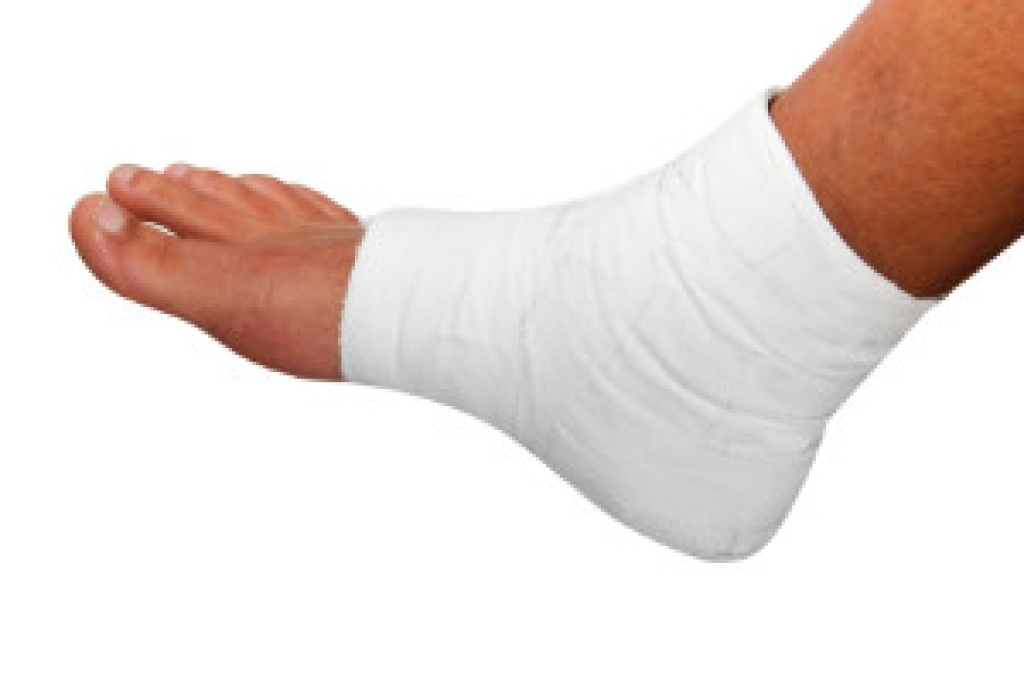
A common ailment that many tennis players are affected by are ankle sprains. The ligaments on the outside of the foot are weaker than those on the inside and may have difficulty in protecting the ankle if it should turn inward. You may have trouble differentiating between a sprain and a break, and it often becomes necessary to have an X-ray performed. Common symptoms may include severe pain and swelling, in addition to discoloration of the skin. Resting the foot is an important first step in healing from this injury, in addition to ceasing all activities including walking. The swelling will subside when the the foot is elevated and will generally feel better. After the recovery period begins, performing certain exercises will help the ankle to become stronger, and the tennis games can resume.  One way to possibly prevent this injury is to wear proper footwear while playing tennis.  Specifically, tennis shoes are designed in a way to prevent injuries.  It would be advised to purchase a pair before partaking in the sport.  If you think you may have sprained your ankle during a game of tennis or have any questions or concerns, scheduling an appointment with a podiatrist is advised.     

Ankle sprains are common but need immediate attention. If you need your feet checked, contact one of our podiatrists from Foot & Ankle Associates of Maine. Our doctors can provide the care you need to keep you pain-free and on your feet.

How Does an Ankle Sprain Occur?

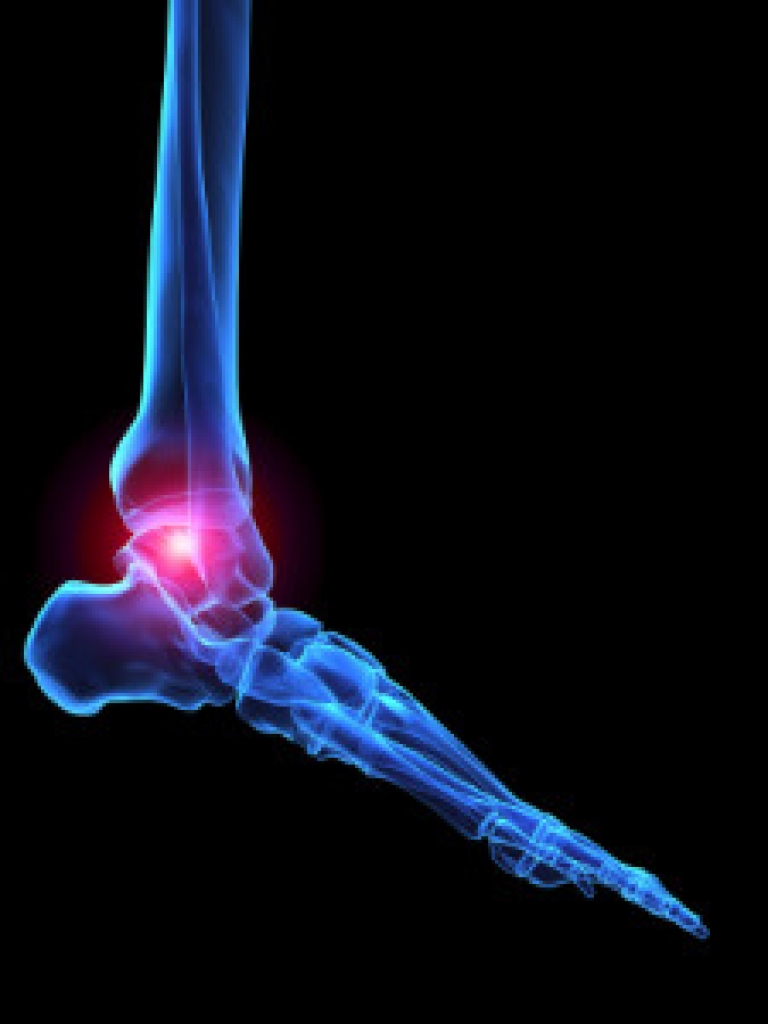
Ankle sprains take place when the ligaments in your ankle are torn or stretched beyond their limits. There are multiple ways that the ankle can become injured, including twisting or rolling over onto your ankle, putting undue stress on it, or causing trauma to the ankle itself.

What Are the Symptoms?

  • Mild to moderate bruising
  • Limited mobility
  • Swelling
  • Discoloration of the skin (depending on severity)

Preventing a Sprain

  • Wearing appropriate shoes for the occasion
  • Stretching before exercises and sports
  • Knowing your limits

Treatment of a Sprain

Treatment of a sprain depends on the severity.  Many times, people are told to rest and remain off their feet completely, while others are given an air cast. If the sprain is very severe, surgery may be required.

If you have suffered an ankle sprain previously, you may want to consider additional support such as a brace and regular exercises to strengthen the ankle.

If you have any questions please feel free to contact our office located in Brunswick, ME . We offer the newest diagnostic tools and technology to treat your foot and ankle needs.

Read more about Ankle Sprains

Scientists Research Venom Cure for Rheumatoid Arthritis

Scientists from Baylor College of Medicine believe iberiotoxin, a toxin from the venom of the Indian red scorpion, may be able to treat rheumatoid arthritis because of the benefits it may have. Iberiotoxin has a natural ability to block potassium channels in cells. These cells are active in RA, which may damage joints and prompt immune cells to cause inflammation. This toxin may have little or no side effect, and an added benefit may be that other channels or nerves may not be affected. Knowing all of this information, researchers then tested the toxin on rat models. The results were what they were hoping for. The substance stopped the progression of the disease and improved joint mobility. Their research later went on to be published in the Journal of Pharmacology and Experimental Therapeutics.

Because RA affects more than just your joints, including the joints in your feet and ankles, it is important to seek early diagnosis from your podiatrist if you feel like the pain in your feet might be caused by RA. For more information, contact one of our podiatrists of Foot & Ankle Associates of Maine. Our doctors will assist you with all of your podiatric concerns.

What Is Rheumatoid Arthritis?

Rheumatoid Arthritis (RA) is an autoimmune disorder in which the body’s own immune system attacks the membranes surrounding the joints. Inflammation of the lining and eventually the destruction of the joint’s cartilage and bone occur, causing severe pain and immobility.

Rheumatoid Arthritis of the Feet

Although RA usually attacks multiple bones and joints throughout the entire body, almost 90 percent of cases result in pain in the foot or ankle area.

Symptoms

  • Swelling and pain in the feet
  • Stiffness in the feet
  • Pain on the ball or sole of feet
  • Joint shift and deformation

Diagnosis

Quick diagnosis of RA in the feet is important so that the podiatrist can treat the area effectively. Your doctor will ask you about your medical history, occupation, and lifestyle to determine the origin of the condition. Rheumatoid Factor tests help to determine if someone is affected by the disease.

If you have any questions, please feel free to contact our office located in Brunswick, ME . We offer the newest diagnostic and treatment technologies for all your foot care needs.

Read more about Rheumatoid Arthritis in the Feet

How Do High Heels Affect My Feet?

Permanent damage to your feet may be a result of wearing high heels frequently and throughout the day. There are several parts of the feet that may suffer afflictions, starting with the toes. You may see a deformity that may gradually develop, due to the feet being in an environment that’s too small. Additionally, calf muscles may shorten because the stride is not as long as it would be with flatter shoes. Hammertoes, bunions, or sprained ankles are among the many ailments that can develop from wearing high heels daily, and if severe enough, may require surgery. If you do choose to wear high heels, try to limit the length of the heel and select a shoe with a wide area for the toes.

High heels have a history of causing foot and ankle problems. If you have any concerns about your feet or ankles, contact one of our podiatrists from Foot & Ankle Associates of Maine. Our doctors can provide the care you need to keep you pain-free and on your feet.

Effects of High Heels on the Feet

High heels are popular shoes among women because of their many styles and societal appeal.  Despite this, high heels can still cause many health problems if worn too frequently.

Which Parts of My Body Will Be Affected by High Heels?

  • Ankle Joints
  • Achilles Tendon – May shorten and stiffen with prolonged wear
  • Balls of the Feet
  • Knees – Heels cause the knees to bend constantly, creating stress on them
  • Back – They decrease the spine’s ability to absorb shock, which may lead to back pain.  The vertebrae of the lower back may compress.

What Kinds of Foot Problems Can Develop from Wearing High Heels?

  • Corns
  • Calluses
  • Hammertoe
  • Bunions
  • Morton’s Neuroma
  • Plantar Fasciitis

How Can I Still Wear High Heels and Maintain Foot Health?

If you want to wear high heeled shoes, make sure that you are not wearing them every day, as this will help prevent long term physical problems.  Try wearing thicker heels as opposed to stilettos to distribute weight more evenly across the feet.  Always make sure you are wearing the proper shoes for the right occasion, such as sneakers for exercising.  If you walk to work, try carrying your heels with you and changing into them once you arrive at work.  Adding inserts to your heels can help cushion your feet and absorb shock. Full foot inserts or metatarsal pads are available. 

If you have any questions, please feel free to contact our office located in Brunswick, ME . We offer the newest diagnostic and treatment technologies for all your foot care needs.

Read more about Effect of High Heels on the Feet

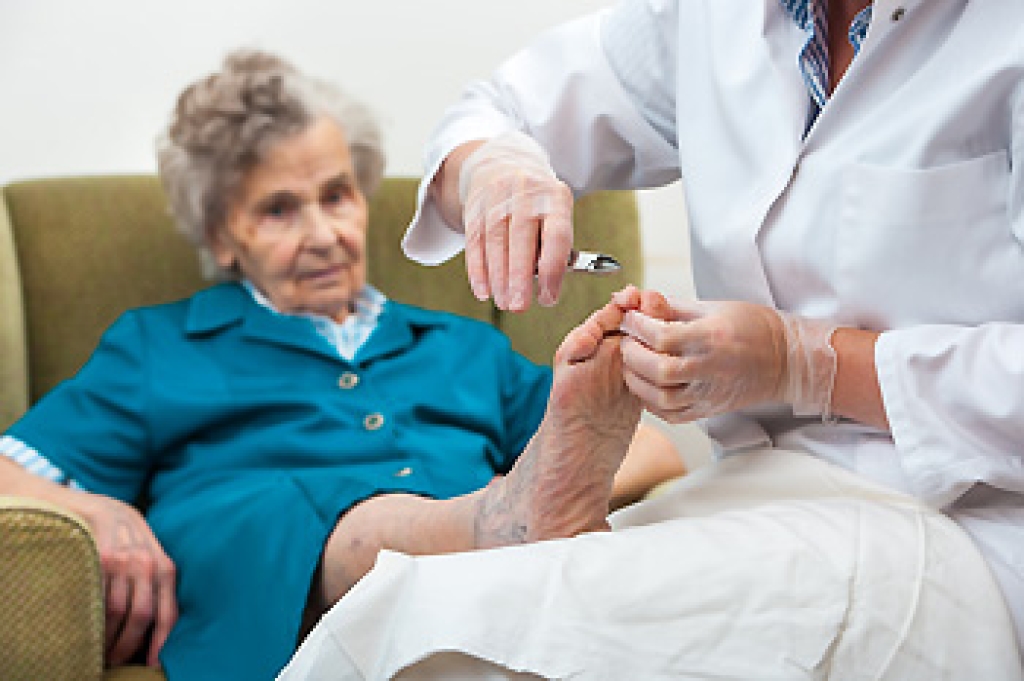
How to Care for Elderly Feet

Practicing proper foot care is often overlooked, and this can be particularly true for the population of the elderly. Trimming the nails correctly is essential in preventing infections that may occur, especially in diabetic patients. Additionally, developing ingrown toenails, bunions, or warts may be common among the elderly who are not able to take care of their feet correctly. Proper circulation is vital to the lower extremities, and this may be accomplished by engaging in foot massages, in addition to elevating the feet and soaking them in warm water. Choosing the correct shoes to wear will also help in maintaining proper foot care, and selecting breathable materials will help in preventing fungus from occurring. Please consider scheduling a consultation with a podiatrist if you have questions about how to care for elderly feet.

Proper foot care is something many older adults forget to consider. If you have any concerns about your feet and ankles, contact one of our podiatrists from Foot & Ankle Associates of Maine. Our doctors can provide the care you need to keep you pain-free and on your feet.

The Elderly and Their Feet

As we age we start to notice many changes in our body, but the elder population may not notice them right away. Medical conditions may prevent the elderly to take notice of their foot health right away. Poor vision is a lead contributor to not taking action for the elderly.

Common Conditions 

  • Neuropathy – can reduce feeling in the feet and can hide many life-threatening medical conditions.
  • Reduced flexibility – prevents the ability of proper toenail trimming, and foot cleaning. If left untreated, it may lead to further medical issues.
  • Foot sores – amongst the older population can be serious before they are discovered. Some of the problematic conditions they may face are:
  • Gouging toenails affecting nearby toe
  • Shoes that don’t fit properly
  • Pressure sores
  • Loss of circulation in legs & feet
  • Edema & swelling of feet and ankles

Susceptible Infections

Diabetes and poor circulation can cause general loss of sensitivity over the years, turning a simple cut into a serious issue.

If you have any questions, please feel free to contact our office located in Brunswick, ME . We offer the newest diagnostic and treatment technologies for all your foot care needs.

Read more about Elderly and their Feet

All About Plantar Fasciitis

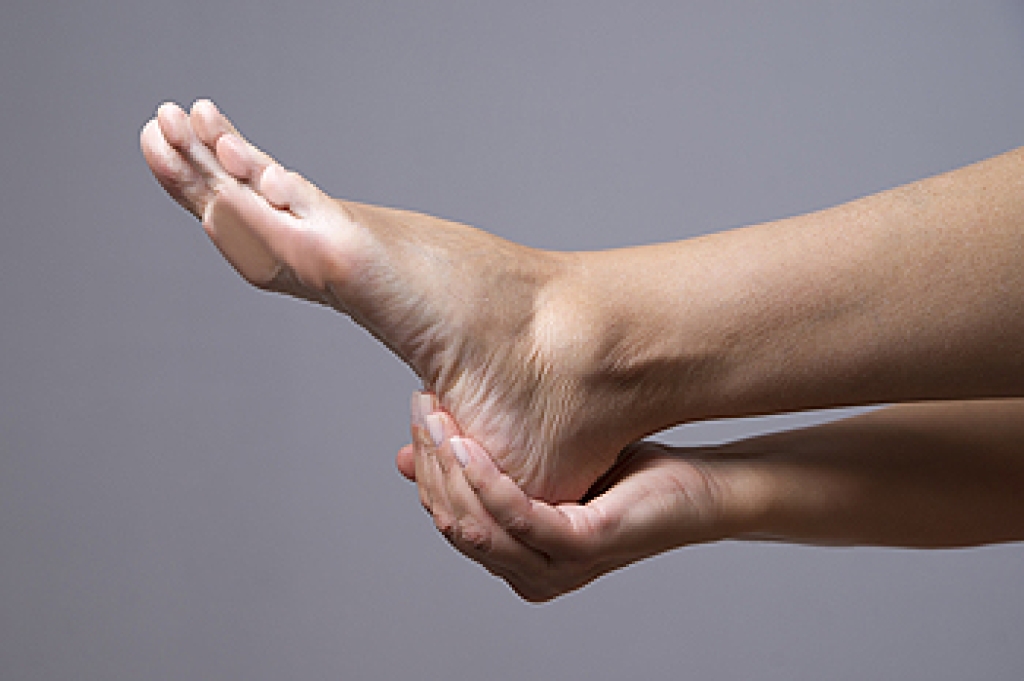
Plantar fasciitis affects more than three million people each year. This ailment typically occurs when the foot’s shock absorbing ligament, also known as the plantar fascia, suffers inflammation or small tears from too much tension or stress. The ligament associated with plantar fasciitis runs across the entire bottom of the foot. However, the pain associated with this condition is usually only located within the center of the heel. Some people do tend to experience pain up into their arch, though. Plantar fasciitis can be caused by a variety of occurrences such as jobs that keep people on their feet, stressful exercises, obesity, or wearing shoes with little support. Treatments for plantar fasciitis may include icing your feet, receiving cortisone injections, wearing a specialized boot, and even doing stretches. If you are experiencing any foot pain, an appointment with your podiatrist is highly advised.      

Plantar fasciitis can be very painful and inconvenient. If you are experiencing heel pain or symptoms of plantar fasciitis, contact one of our podiatrists  from Foot & Ankle Associates of Maine. Our doctors can provide the care you need to keep you pain-free and on your feet.

What Is Plantar Fasciitis?

Plantar fasciitis is the inflammation of the thick band of tissue that runs along the bottom of your foot, known as the plantar fascia, and causes mild to severe heel pain.

What Causes Plantar Fasciitis?

  • Excessive running
  • Non-supportive shoes
  • Overpronation
  • Repeated stretching and tearing of the plantar fascia

How Can It Be Treated?

  • Conservative measures – anti-inflammatories, ice packs, stretching exercises, physical therapy, orthotic devices
  • Shockwave therapy – sound waves are sent to the affected area to facilitate healing and are usually used for chronic cases of plantar fasciitis
  • Surgery – usually only used as a last resort when all else fails. The plantar fascia can be surgically detached from the heel

While very treatable, plantar fasciitis is definitely not something that should be ignored. Especially in severe cases, speaking to your doctor right away is highly recommended to avoid complications and severe heel pain. Your podiatrist can work with you to provide the appropriate treatment options tailored to your condition.

If you have any questions, please feel free to contact our office located in Brunswick, ME . We offer the newest diagnostic and treatment technologies for all your foot care needs.

Read more about Plantar Fasciitis

Connect With Us